Mammillaria Pectinifera

Mammillaria Pectinifera

Mammillaria Pectinifera

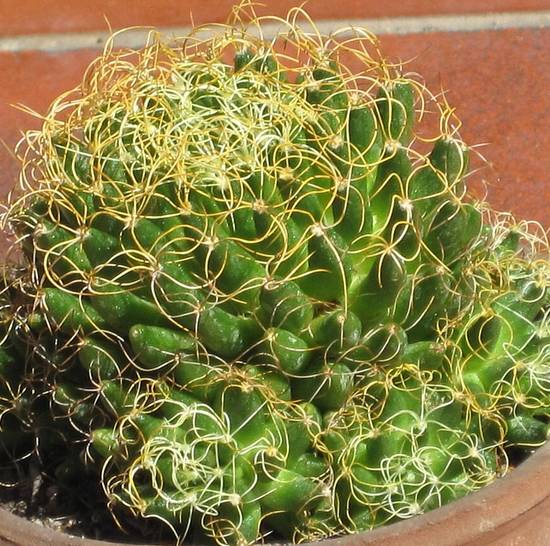
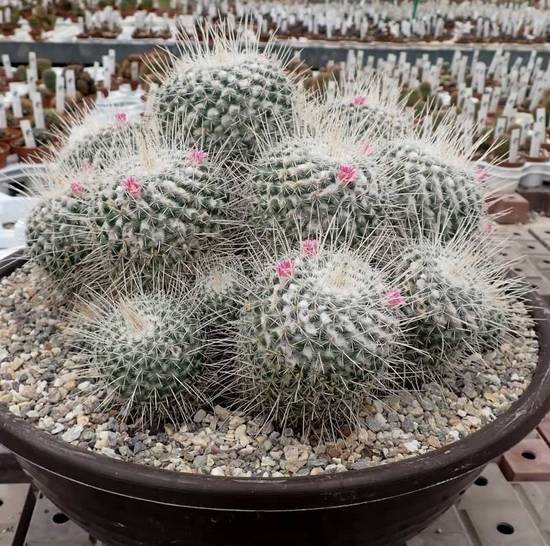
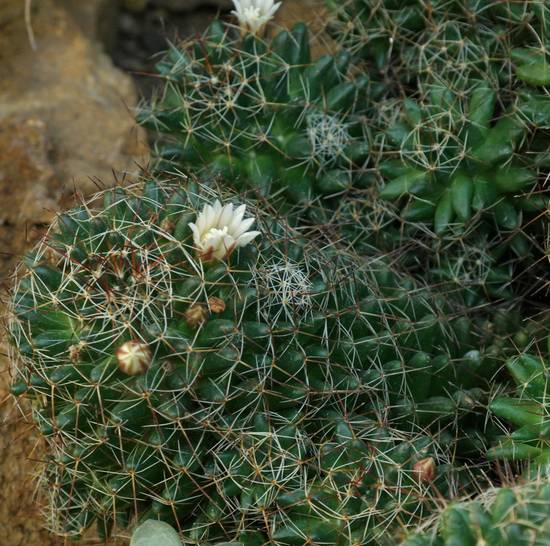
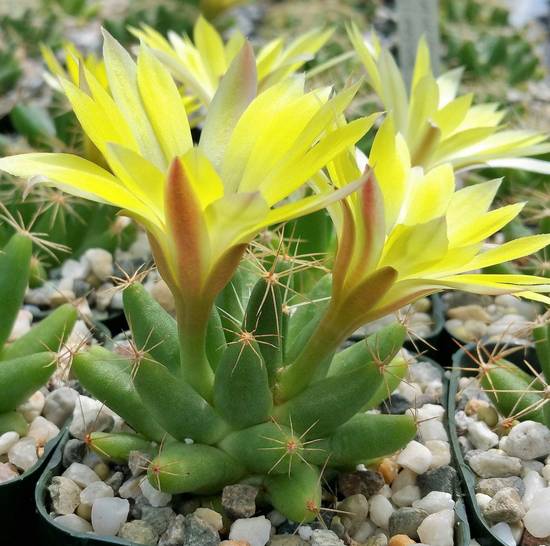
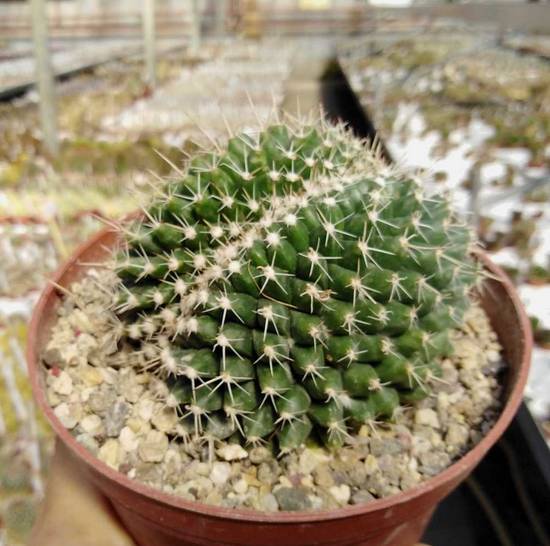
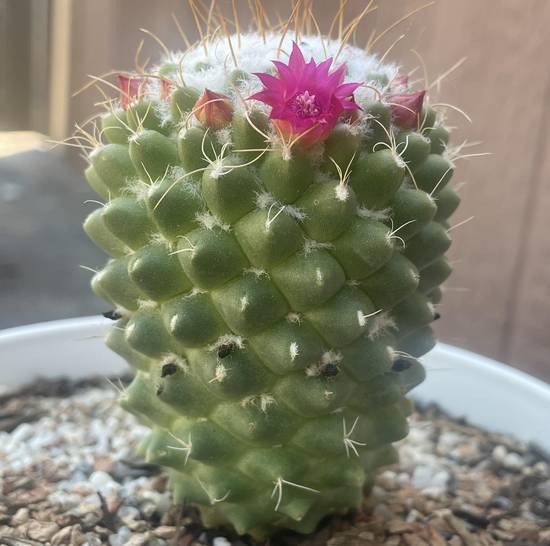
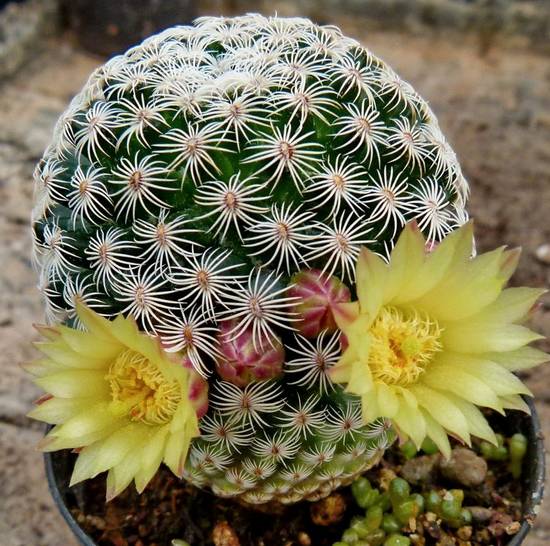
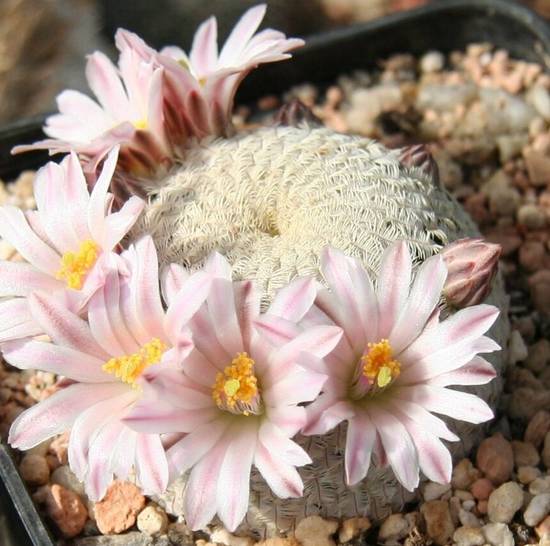
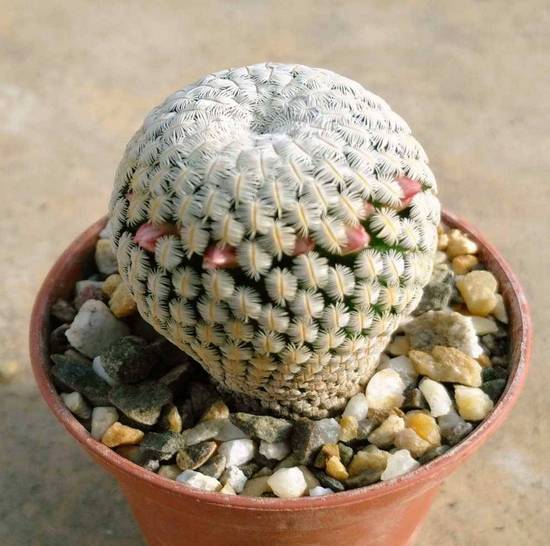
The Mammillaria Pectinifera is a miniature and spectacular species native to Mexico, sought after for its low profile and delicate white spines that form an elegant radial comb. Highly prized by collectors, this cactus displays a unique, almost fractal aesthetic that immediately sets it apart in any collection. Its small size, flattened and symmetrical shape, and slow growth make it a botanical jewel that is as fragile as it is fascinating.

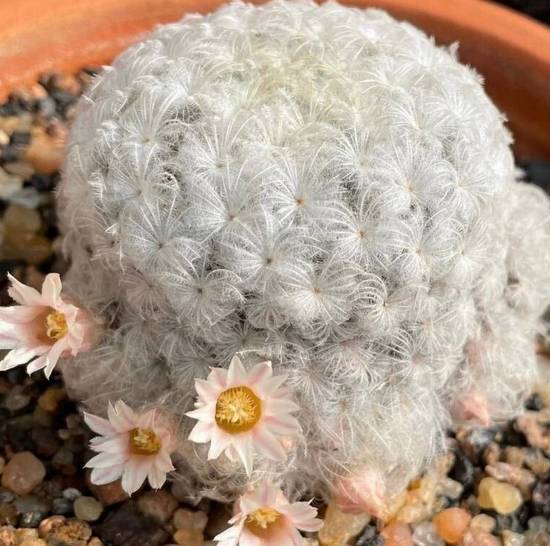
Each areole produces a series of fine, white spines, tightly packed and directed forward like the teeth of a comb, which gives the species its name (“pectinifera” meaning “bearing a comb”). The body is pale green to grey-green, often partially buried in the substrate, contributing to its natural discretion. When it flowers, it reveals a crown of pale pink flowers that delicately contrast with its silky epidermis.

The Mammillaria Pectinifera is endemic to the semi-arid regions of the state of Puebla, Mexico. It is found in calcareous soils and well-drained volcanic substrates at medium altitude.

In its natural habitat, this cactus lives partially buried in the soil to limit sun exposure and conserve precious moisture. This strategy gives it strong drought resistance but also makes it vulnerable to over-collection and habitat destruction. It is classified as Critically Endangered (CR) on the IUCN Red List.
For the Mammillaria Pectinifera to develop its harmonious form, good light is essential.

🌤️ Ideal exposure: Bright light with gentle direct sun, especially in the morning or late afternoon.

☀️ Avoid sunburn: Sudden or prolonged exposure in summer can cause burns on its pale skin.

🏠 Indoor cultivation: A south- or west-facing window is ideal. In low light, the cactus can quickly etiolate.
Like all desert cacti, the Mammillaria Pectinifera must be watered sparingly.

💧 Growing season (April to September): Water every 3 to 4 weeks, only when the substrate is completely dry.

❄️ Rest period (October to March): Stop watering entirely if the plant is kept cool.

⚠️ Warning: Excess water can cause root or collar rot. Slight water stress is preferable to excess moisture.
This species is relatively hardy but fears winter humidity.

🌡️ Optimal temperature: Between 20 and 30 °C.

❄️ Minimum temperature: Down to 0 °C if the substrate is completely dry. Ideally overwinter between 5 and 10 °C.
The Mammillaria Pectinifera requires a mineral, well-drained substrate with low organic matter.

🪨 Ideal mix: 40% cactus soil, 30% perlite, 30% pumice.

⛏️ Tip: Add a drainage layer at the bottom of the pot using gravel or drainage granules.
This species can produce beautiful small flowers when well cared for.

📆 Season: Between May and July.

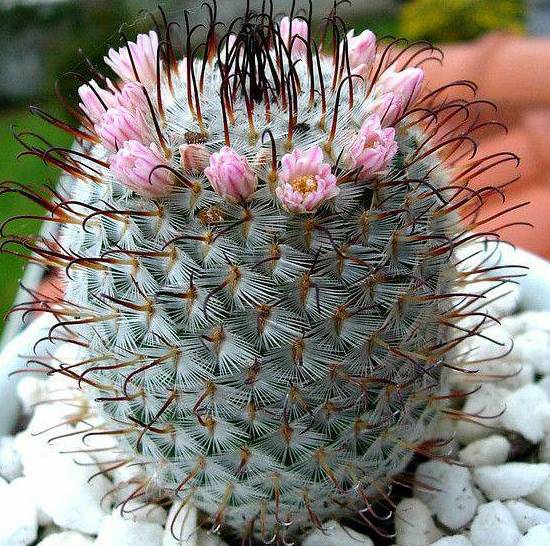
🌼 Flowers: Small, tubular, pale pink to pinkish-purple, arranged in a crown at the top of the cactus.

💡 Tip: To encourage flowering, provide winter rest, bright light, and a cactus fertilizer in spring.
FAQ - Mammillaria Pectinifera

How should Mammillaria Pectinifera be watered to avoid rot?
Water Mammillaria Pectinifera every 3 to 4 weeks during the warm season, waiting until the substrate is completely dry. In winter, stop watering entirely to prevent rot.
What light exposure does Mammillaria Pectinifera need indoors?
Place your Mammillaria Pectinifera near a sunny window, facing south or west. It needs several hours of gentle sunlight to maintain its compact shape.
Does Mammillaria Pectinifera bloom easily in pots?
Yes, provided it is given a cool winter rest and good light in spring. A balanced cactus fertilizer can help encourage blooming.
What is the difference between overwatering and underwatering Mammillaria Pectinifera?
Overwatering causes soft roots, a brown or black base, and sometimes plant loss. Underwatering results in slight shriveling without rot. It is always better to water too little than too much.
Can Mammillaria Pectinifera be grown outdoors?
Yes, but only in a dry and warm climate. It must be protected from rain and frost. Growing it in a pot and bringing it indoors in winter is preferable.
Is Mammillaria Pectinifera easy to care for?
It is better suited for experienced growers. It requires little maintenance but needs precise watering, excellent drainage, and protection from excess moisture.
Can Mammillaria Pectinifera be propagated by seed?
Yes, but it is very slow. Sowing is the only method of reproduction as it does not produce offsets. Patience and warm conditions are required.
What diseases can affect Mammillaria Pectinifera?
It is mainly sensitive to root rot caused by excess water. Ensure excellent drainage and regularly inspect for pests such as mealybugs.
What is the maximum size of Mammillaria Pectinifera?
This cactus remains very small: between 2 and 4 cm tall at maturity. It may form small clusters over time.
Why is Mammillaria Pectinifera critically endangered?
Overexploitation of its natural habitat and excessive collection for private collections have greatly reduced its populations. It is important to choose nursery-grown specimens.