Euphorbia Pedilanthoides

Euphorbia Pedilanthoides

Euphorbia Pedilanthoides

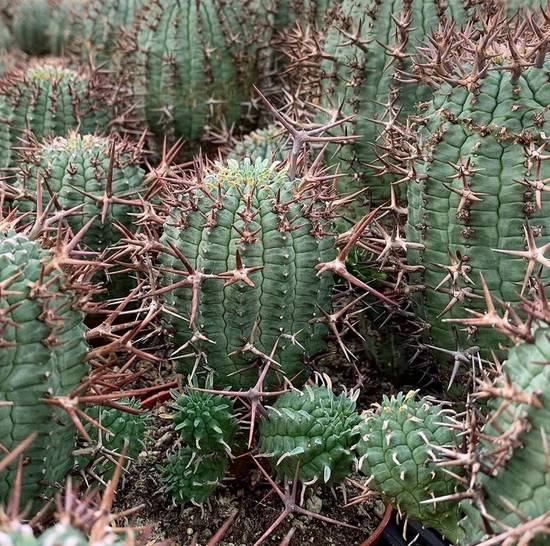
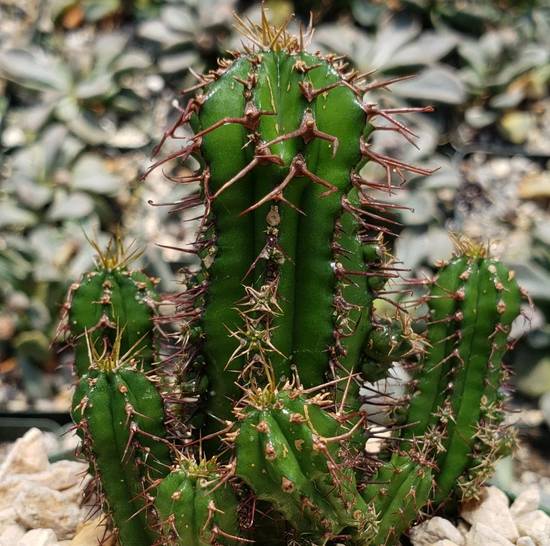
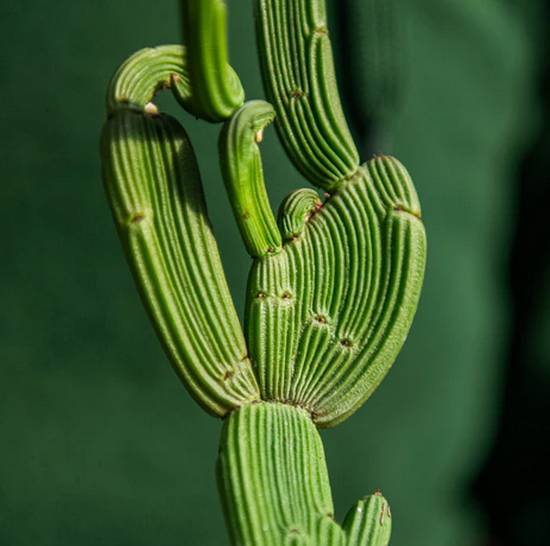
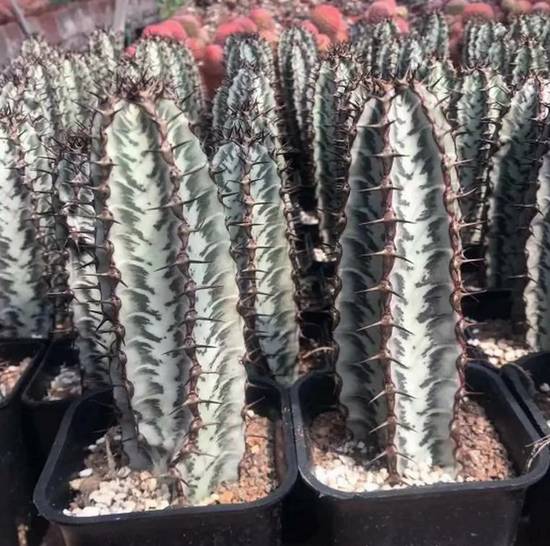
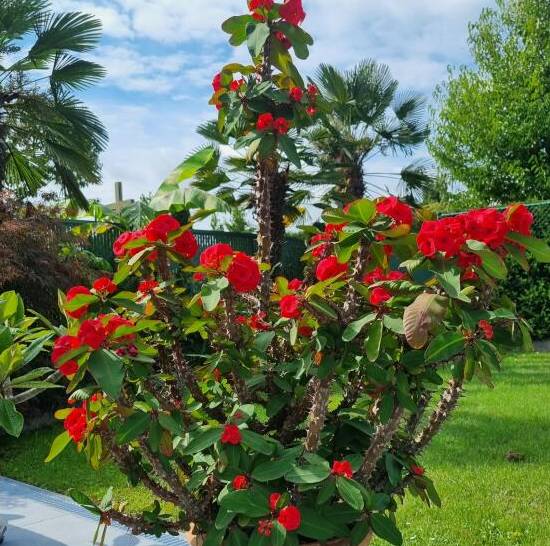
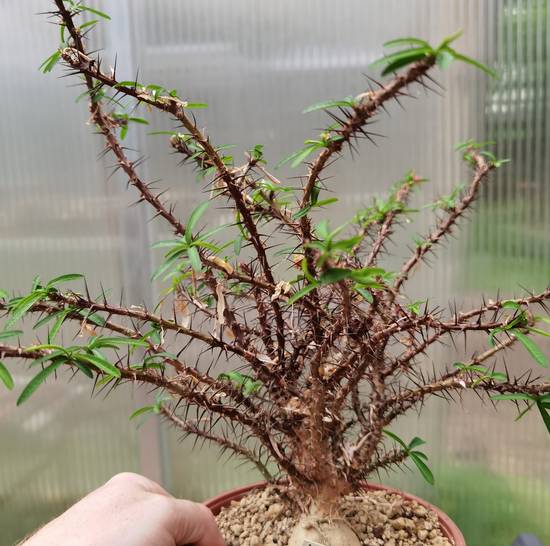
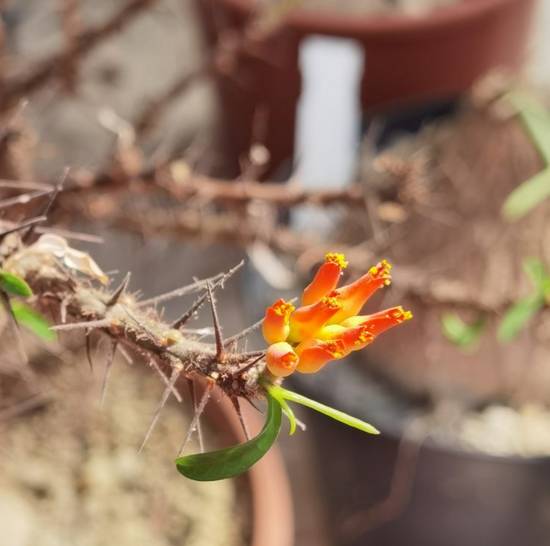
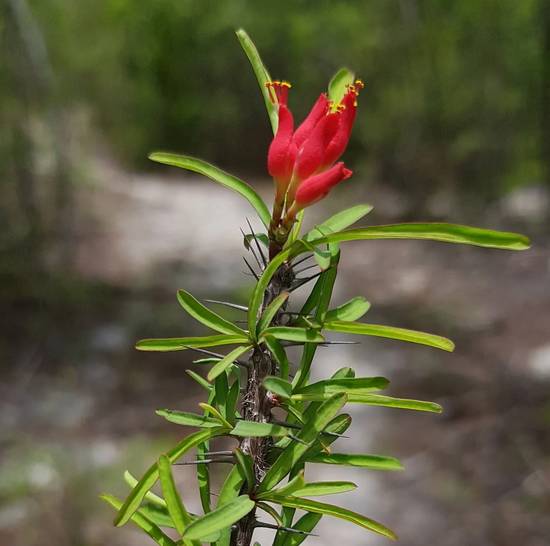
The Euphorbia Pedilanthoides is a little-known but remarkable species belonging to the large Euphorbiaceae family. This perennial plant, native to East Africa, stands out with its upright habit, thick fleshy stems, and pale green leaves that are often deciduous during the dry season. In some ways it resembles the genus Pedilanthus, hence its evocative name, but it truly belongs to the genus Euphorbia. This euphorbia has a slender and elegant silhouette, often branching from the base, with slightly arched stems giving it an airy ornamental habit.

Highly drought resistant, this plant adapts well to indoor cultivation or in a bright veranda. Its sap, like all euphorbias, is toxic and irritating, so it should be handled with care. The Euphorbia Pedilanthoides is an excellent choice for lovers of unusual plants with moderate growth and a graphic look.

In its natural habitat, the Euphorbia Pedilanthoides grows in arid areas, often on rocky or sandy soils, in full sun. It has adapted to long periods without rain thanks to its succulent stems, capable of storing water. This resilience allows it to thrive in harsh environments, with slow but continuous growth.
Light exposure is essential for the good health of the Euphorbia Pedilanthoides:

🌞 Direct or very bright light: A south or west exposure is ideal. It appreciates full sun, especially in winter.

🌤️ Summer protection: In summer, if grown in a greenhouse or behind glass, provide light shading to prevent burns on the stems.
Watering must be strictly controlled:

💧 During the warm season: Water every 3 to 4 weeks, ensuring the substrate is completely dry.

❄️ In winter: The plant enters dormancy. Watering should be suspended or reduced to an absolute minimum.

⚠️ Monitoring: Excess water leads to rapid root rot. It is better to forget a watering than to overwater.
This tropical euphorbia appreciates warmth:

🌡️ Optimal: Between 20 and 30 °C during its growing period.

❄️ Minimum: Do not drop below 10 °C. Protect from autumn onward if grown outdoors.
🪨 A highly draining substrate is essential for this plant:

Use a cactus substrate mixed with 50% perlite to improve air and water circulation. On the surface, a layer of pumice stone is recommended to prevent moisture from rising.
The flowering of the Euphorbia Pedilanthoides is modest but interesting:

🌸 Cyathia: Small typical euphorbia inflorescences, often discreet but decorative.

🗓️ Period: Generally in spring, after a well-defined rest period.
FAQ - Euphorbia Pedilanthoides

How should Euphorbia Pedilanthoides be watered properly?
Watering every 3 to 4 weeks is sufficient during the warm season. In winter, reduce to a strict minimum, as excess water can cause rot.
What type of light is suitable for Euphorbia Pedilanthoides?
It prefers intense light, with a south or west exposure. It can tolerate some shade, but its growth will slow down.
Is Euphorbia Pedilanthoides suitable for indoor cultivation?
Yes, as long as you provide a very bright location. It is perfect for a conservatory or a sunny room.
What is the minimum temperature tolerated by Euphorbia Pedilanthoides?
It does not tolerate temperatures below 10 °C. Bring it indoors in autumn if you grow it outside.
What substrate is recommended for Euphorbia Pedilanthoides?
Use a cactus substrate enriched with perlite and topped with pumice to ensure excellent drainage.
Is Euphorbia Pedilanthoides toxic?
Yes, its sap is irritating to the skin and mucous membranes. Handle it with gloves and avoid contact with the eyes.
Can flowering be encouraged in Euphorbia Pedilanthoides?
A dry winter rest period followed by gradually resuming watering in spring can encourage a discreet bloom.
What is the growth rate of Euphorbia Pedilanthoides?
It grows slowly, forming branched stems that can reach about 50 cm at maturity.
Is Euphorbia Pedilanthoides suitable for beginners?
Yes, it is relatively easy to grow if watering and light requirements are respected.
What are the signs of overwatering or underwatering in Euphorbia Pedilanthoides?
Overwatering causes soft stems and rot. Underwatering will simply result in slowed growth or slight temporary wilting.