Ariocarpus Trigonus

Ariocarpus Trigonus
Ariocarpus Trigonus
Ariocarpus Trigonus
Ariocarpus Trigonus

Ariocarpus Trigonus

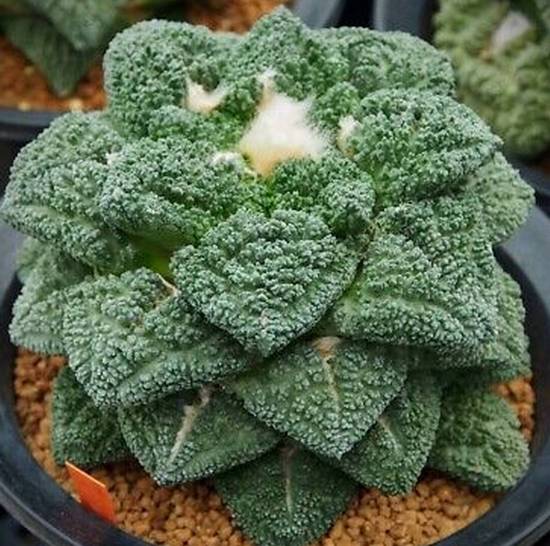
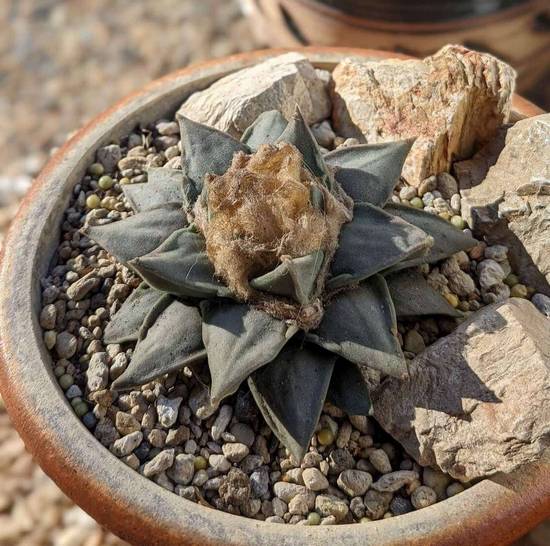
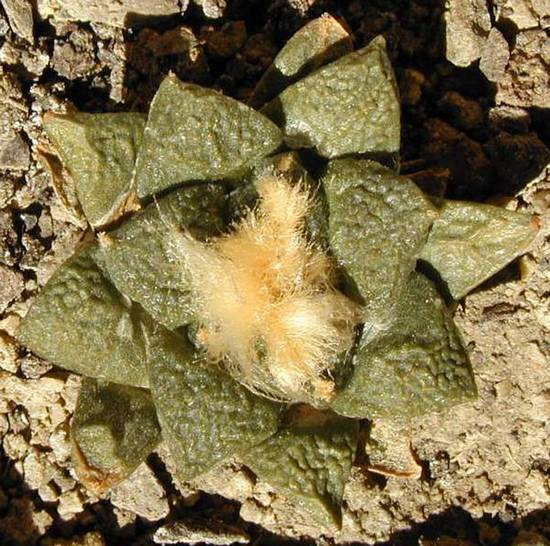
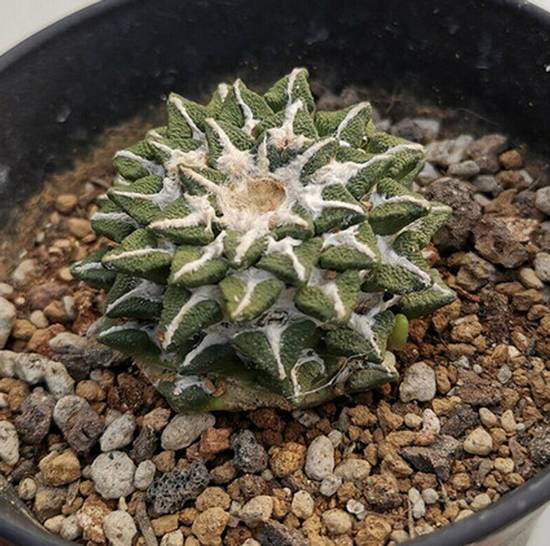
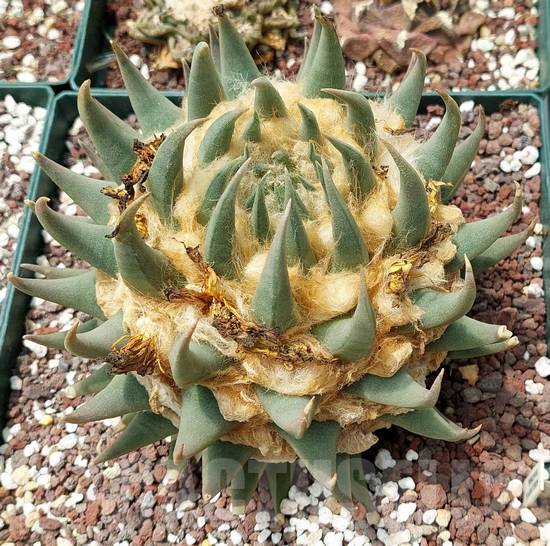
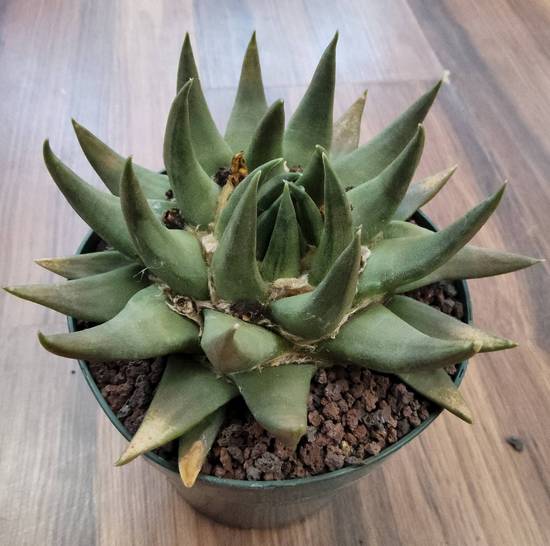
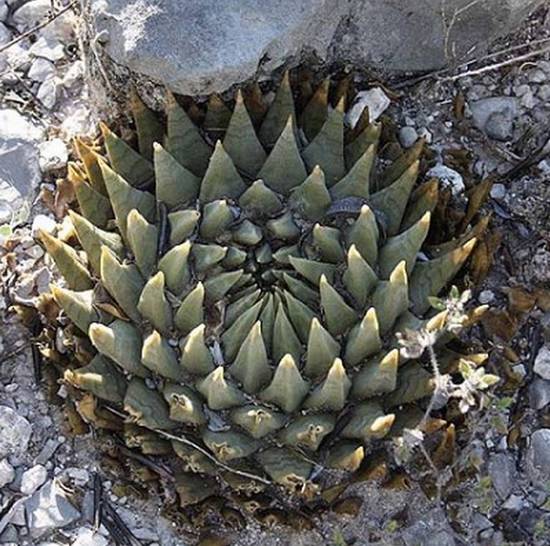
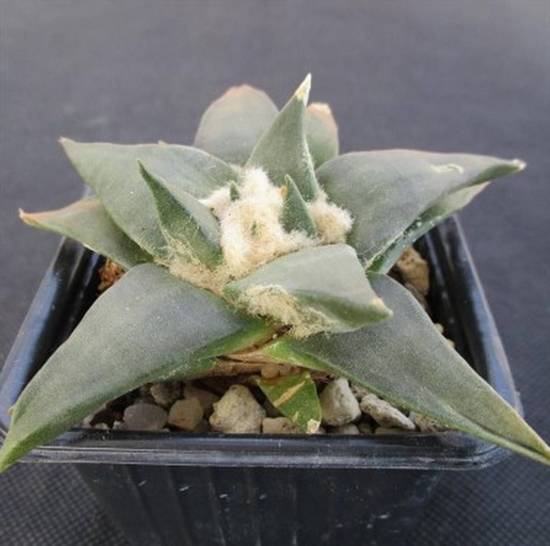
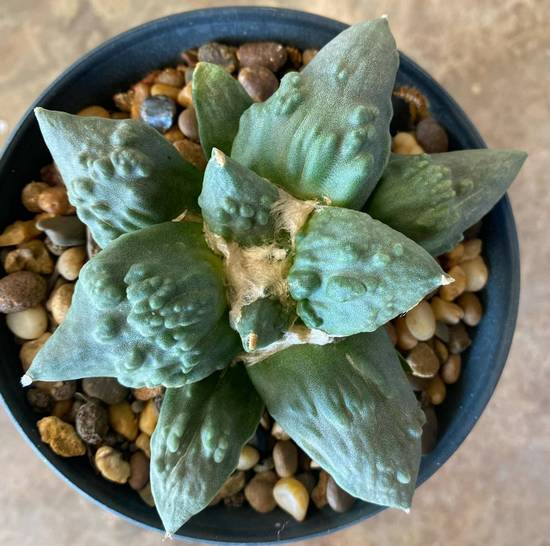
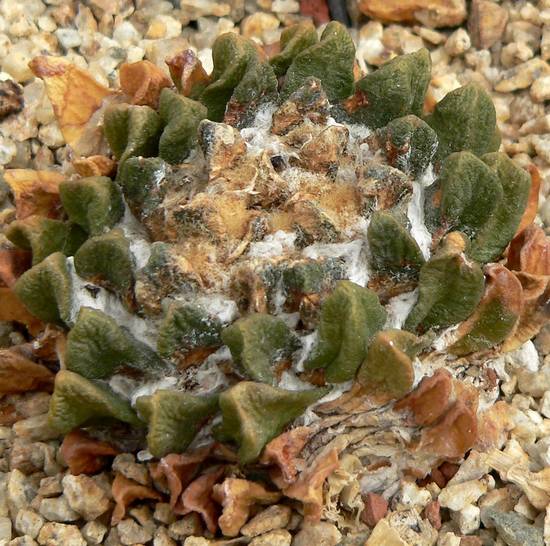
The Ariocarpus Trigonus is a fascinating plant, both rare, graphic, and surprisingly elegant. Representing one of the most spectacular species of the Ariocarpus genus, it immediately stands out for its elongated triangular tubercles, arranged in a low and geometric rosette, almost sculpted. These thick structures, with well-defined edges and often slightly curved, evoke the points of a star, a fossilized flower, or a natural origami shaped by wind and time.

Unlike many classic cacti, the Ariocarpus Trigonus is completely spineless. Its rough, matte skin shows shades ranging from olive green to greenish brown depending on light, plant age, and water stress. Its singular appearance, combined with very slow growth, gives it an almost mystical aura. It is often described as a “mineral cactus”, as it seems to blend into the rocky landscape from which it originates.

What makes the Trigonus even more extraordinary is its ability to remain discreet all year long, then to transform in autumn: at the heart of its rosette suddenly appear large, delicate and satiny cream-yellow flowers, contrasting with its austere and angular habit. This late flowering, rare in cultivation, is a true symbol of achievement for cactus enthusiasts.

The Ariocarpus Trigonus originates from northeastern Mexico, notably in the states of Tamaulipas and Nuevo León. It grows in dry and stony environments, often semi-buried, to protect itself from extreme heat and herbivores.
It needs intense light to maintain its compactness:

🌞 Exposure: full sun or very bright light

🌤️ Advice: avoid prolonged shade which causes tubercles to stretch
Like all Ariocarpus, it hates stagnant humidity:

🌱 Spring / summer: every 3 to 4 weeks, allowing it to dry thoroughly between waterings

❄️ Autumn / winter: no watering at all
It is a resilient plant, provided cold humidity is avoided:

🌡️ Ideal temperature: between 20 and 30°C

❄️ Limit: down to 5°C if the substrate is perfectly dry
It requires a very well-draining substrate to prevent rot:

🪨 Ideal composition: 60% pumice + 30% pozzolana + 10% cactus potting soil
The flowering of the Ariocarpus Trigonus is rare but remarkable:

🌸 Season: late September to November

🎨 Color: pale yellow to cream

🕑 Duration: 2 to 4 days

💡 It flowers only when its natural cycle is respected (winter rest, strong light, spaced watering)
FAQ - Ariocarpus Trigonus

How to recognize excess moisture in an Ariocarpus Trigonus?
Excess moisture appears as softening of the tubercles, translucent areas at the base, or the appearance of mold. If the substrate remains wet too long, it can lead to rapid root rot.
How to know if Ariocarpus Trigonus lacks water?
Lack of water can be noticed by tubercles that become dull, slightly limp or retracted. However, it is better to wait for these signs rather than watering "just in case", as this plant prefers dryness to excess.
Can Ariocarpus Trigonus be grown indoors?
Yes, provided it is given a very bright location, such as a south-facing bay window. If light is insufficient, a grow light is recommended to avoid etiolation.
What is the typical flowering of Ariocarpus Trigonus?
It generally flowers in autumn, with large pale yellow or cream flowers lasting 2 to 4 days. This flowering only appears if the light/dry cycle is properly respected during summer.
Is Ariocarpus Trigonus suitable for beginners?
It may suit a rigorous and passionate beginner. Its cultivation requires little watering, a perfect substrate and patience. It is an ideal plant to learn the discipline of rare cacti.
Should Ariocarpus Trigonus be fertilized?
Yes, but in moderation. A very diluted liquid cactus fertilizer can be applied once a month from May to August. Do not fertilize in autumn or winter.
What is the lifespan of Ariocarpus Trigonus?
This cactus can live several decades if well cultivated. Its slow growth is compensated by its longevity, sometimes exceeding 40 years in a pot.
How to encourage flowering in Ariocarpus Trigonus?
Provide a dry period of several weeks in summer, intense light, and avoid unnecessary repotting. Respecting the natural rhythm is the key to annual flowering.
Should a grafted or non-grafted Ariocarpus Trigonus be preferred?
Grafted specimens grow faster, but plants on their own roots better retain their natural shape. For purists, non-grafted specimens are more authentic.
What is the best type of pot for an Ariocarpus Trigonus?
A wide and shallow terracotta pot is ideal. It promotes rapid drying of the substrate and allows the roots to breathe, limiting the risk of rot.