Selenicereus Validus

Selenicereus Validus

Selenicereus Validus

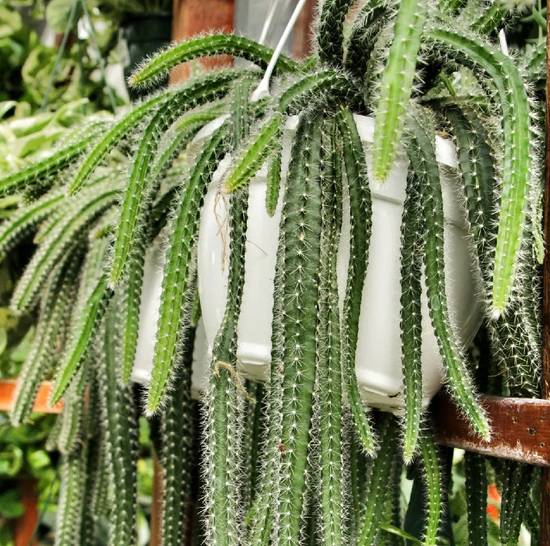
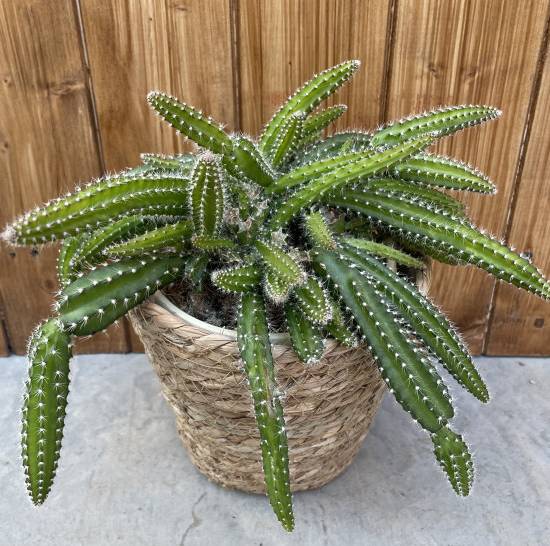
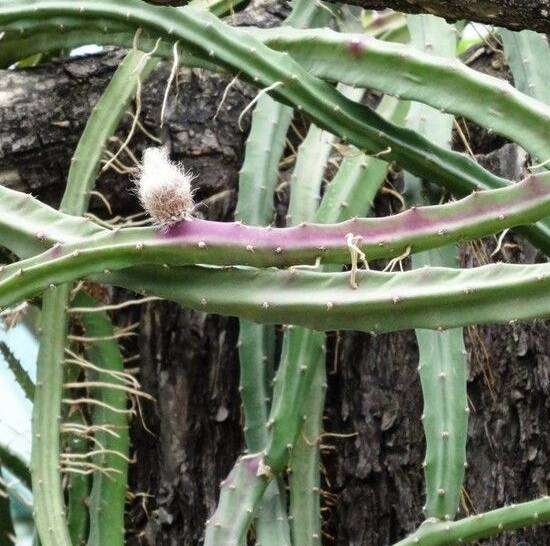
The Selenicereus Validus is a large climbing/trailing cactus with a flexible habit, typical of the “queen of the night” types. Its ribbed stems, sometimes slightly angular, bear spaced areoles and fine spines; when mature, they become long and arching, ideal for hanging baskets or training on supports. In abundant light, Selenicereus Validus keeps short, vigorous segments of deep green sometimes veiled with a glaucous hue; in insufficient light, internodes elongate and the plant loses structure. In a temperate veranda, on a high shelf or in a basket, it creates a spectacular vegetal curtain, highly graphic against a light mineral décor.

Cultivation aims for a “bright jungle” balance: plenty of light without scorching heat, regular but well-drained watering and moving air. Water thoroughly only when the top of the mix has clearly dried, then allow excess to drain. This rhythm prevents root suffocation and conditions future flowering. In summer, placing Selenicereus Validus outdoors sheltered from harsh sun densifies the stems; in winter, provide a very bright, cooler room with spaced watering. After repotting, a short dry pause (4–5 days) allows minor wounds to heal before watering resumes.

A Central American/Mexican species from forest edges and open woodland, Selenicereus Validus grows as an epiphyte or lithophyte on well-drained supports exposed to brief rains and strong but filtered light. Reproducing this gradient — abundant non-scorching light, airy mix, regular well-drained watering, slightly drier winter rest — stabilizes growth and promotes flowering.
For short segments and dense growth, Selenicereus Validus requires generous light without overheating.

🌞 Ideal: gentle morning sun + strong brightness in the afternoon; sheer curtain in summer behind glass.

🏠 Indoors: south/east exposure or LED 10–12 h/day with good ventilation; rotate weekly.
A bright-jungle epiphyte, Selenicereus Validus prefers “abundant then drained,” never stagnant water.

🌱 Warm season: water when the surface clearly dries, then drain thoroughly; empty the saucer.

🍂 Cool season: space watering significantly; substrate almost dry between applications.
Selenicereus Validus enjoys mild warmth and fears frost.

🌡️ Ideal: 18–28 °C in growth; moving air.

❄️ Minimum: 8–10 °C dry; protect from cold drafts.
To mimic an airy environment, Selenicereus Validus requires a very draining mix.

🪨 Base: lightened cactus substrate or soil + perlite and clean pozzolana top dressing.
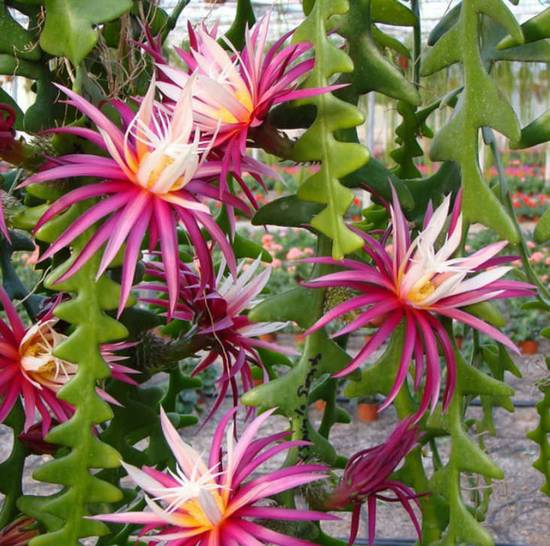
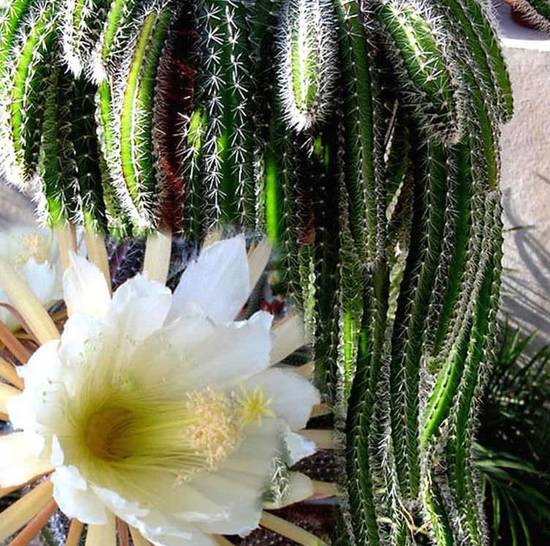
When the cycle is respected, Selenicereus Validus unfolds large fragrant nocturnal blooms.

🌸 Period: late spring to summer, opening at dusk and fading by morning.

🎨 Colors: creamy white, sometimes pink-edged; golden stamens, sweet fragrance.

🕑 Keys: bright, slightly drier winter, gentle warmth in spring, very moderate feeding.
FAQ - Selenicereus Validus

How to choose between hanging and training for a Selenicereus Validus?
Hanging for a cascading effect, training for a compact fan shape; use a light airy cactus potting mix.
What humidity level suits Selenicereus Validus indoors?
Around 40–60% with moving air; mist in the morning only and keep clean pumice mulch.
Can Selenicereus Validus be grown under LED all year round?
Yes, 10–12 hours per day with ventilation; apply very diluted liquid cactus fertilizer during the growing season.
How to prevent stem elongation in Selenicereus Validus?
Increase light, keep the pot snug and space watering; repot in an airy cactus substrate.
What hanging pot diameter suits a vigorous Selenicereus Validus?
At least 25–30 cm with large drainage holes; lighten the mix with perlite.
Does Selenicereus Validus produce decorative fruits after flowering?
Possible if pollinated; maintain good light and gentle half-strength applications of cactus fertilizer.
How to properly propagate Selenicereus Validus?
Take a healthy segment, let it callus 4–7 days, plant shallowly; first waterings sparing, then support with light succulent fertilizer.
What type of water should be used for Selenicereus Validus in pots?
Low-lime water is preferable; suitable cactus potting soil helps stabilize pH and drainage.
What common mistakes should be avoided with Selenicereus Validus?
Compact substrate, stagnant water and scorching sun behind glass; ensure strong drainage, full runoff and summer shading.
Which decorative plant pairings enhance Selenicereus Validus?
Climbing philodendrons, fine ferns and light gravel; complement with light doses of liquid cactus fertilizer after watering.