Selenicereus Macdonaldiae

Selenicereus Macdonaldiae

Selenicereus Macdonaldiae

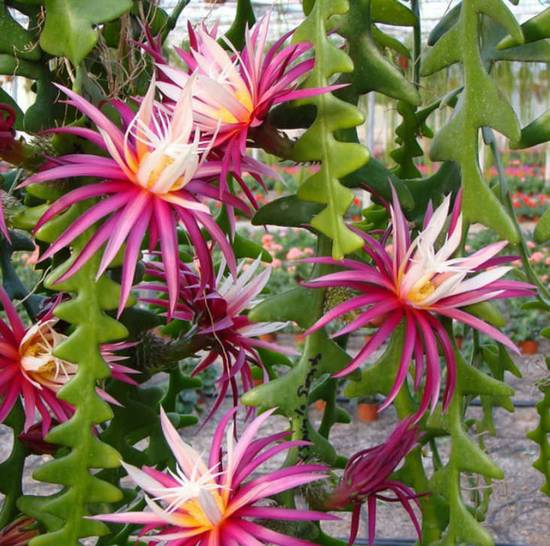
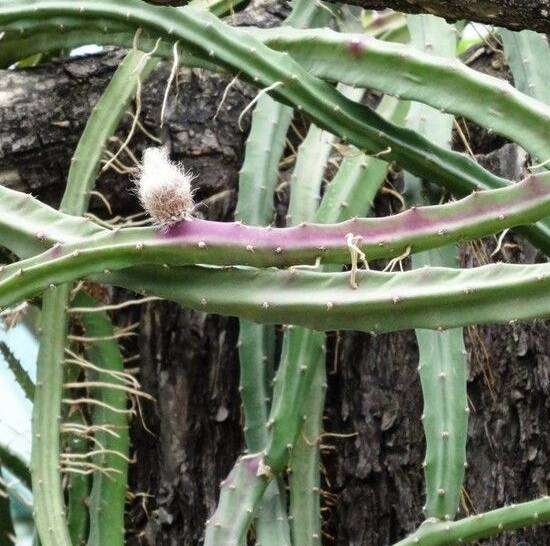
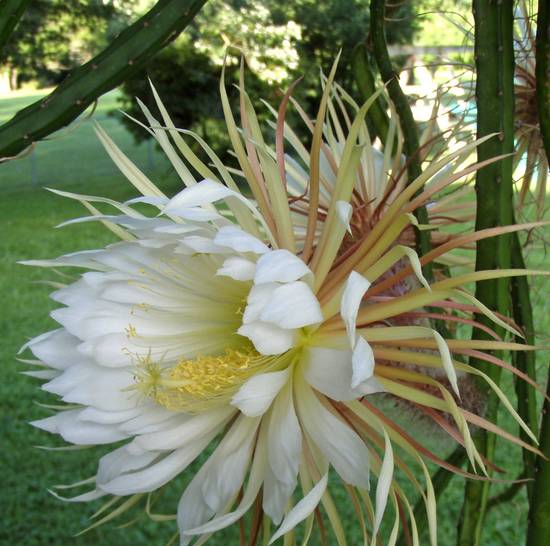
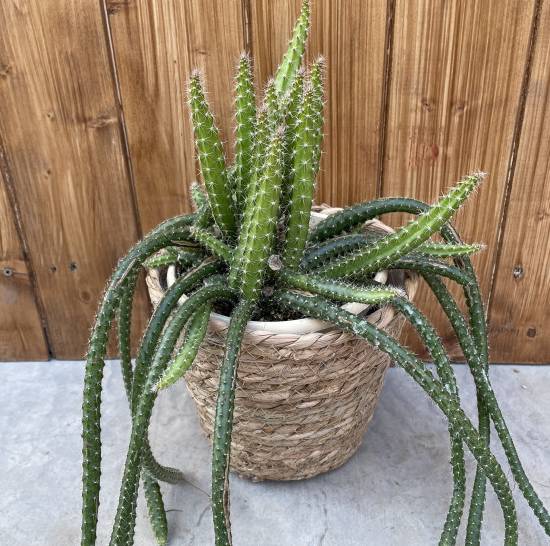
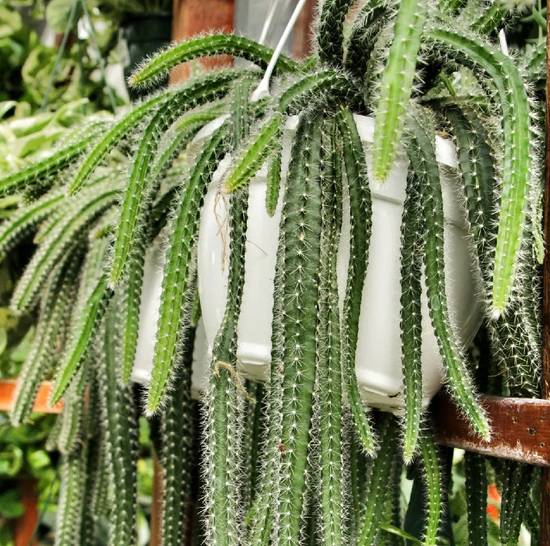
A spectacular epiphyte, Selenicereus Macdonaldiae unfurls long, flat ribbon-like cladodes with deep lobes that cascade elegantly or cling to supports. At maturity, Selenicereus Macdonaldiae produces immense creamy-white nocturnal flowers, delicately fragrant — a striking contrast to the graphic appearance of its stems. Displayed in hanging baskets or trained on a trellis, it creates a light, living décor perfect for bright interiors, temperate verandas and sheltered patios.

Unlike full-desert cacti, Selenicereus Macdonaldiae appreciates slightly humid air, strong brightness without overheating and regular but well-managed watering. Water thoroughly when the top of the mix has clearly dried, then allow excess to drain completely: never let water stagnate. Gentle morning sun keeps segments dense and lobes short; in low light, they elongate and lose their characteristic shape.

A species of open forests in Central America, Selenicereus Macdonaldiae grows epiphytically on branches and ventilated edges exposed to brief rains and instant drainage. In cultivation, imitate this rhythm: abundant but filtered light, regular non-stagnant watering and a brighter, drier winter rest.
For short, well-defined segments, Selenicereus Macdonaldiae requires generous light without overheating.

🌞 Ideal: gentle morning sun + strong brightness in the afternoon; light curtain behind glass in summer.

🏠 Indoors: very bright south/east exposure or LED 10–12 h with good ventilation.
As a jungle epiphyte, Selenicereus Macdonaldiae prefers “abundant then drained,” never stagnant water.

🌱 Warm season: water when the top of the substrate clearly dries, then drain thoroughly.

🍂 Cool season: space watering; substrate almost dry between applications.
Selenicereus Macdonaldiae enjoys mild brightness and fears frost.

🌡️ Ideal: 18–28 °C in growth, moving air.

❄️ Minimum: 8–10 °C dry, sheltered from cold drafts.
To mimic an airy epiphytic environment, Selenicereus Macdonaldiae requires a very draining mix.

🪨 Base: cactus soil or cactus substrate + added perlite and clean pozzolana top dressing.
When the cycle is respected, Selenicereus Macdonaldiae unfolds spectacular night flowers.

🌸 Period: late spring to summer, opening at dusk and fading by morning.

🎨 Colors: creamy white, sometimes pink-edged, delicate fragrance.

🕑 Keys: bright, slightly drier winter, gentle warmth in spring, light feeding.
FAQ - Selenicereus Macdonaldiae

Does Selenicereus Macdonaldiae prefer hanging or training?
Hanging creates a beautiful cascade; fan training saves space, using an airy cactus substrate.
How to trigger flowering on a mature Selenicereus Macdonaldiae indoors?
Provide a bright winter rest (10–15 °C) with spaced watering, then apply very diluted micro-doses of liquid cactus fertilizer in spring.
What hanging pot diameter suits a vigorous Selenicereus Macdonaldiae?
At least 25–30 cm with excellent drainage; lighten the mix with perlite.
Does Selenicereus Macdonaldiae tolerate full direct sun?
Morning sun only; avoid intense afternoon heat behind glass and use light shading in summer.
How to properly propagate Selenicereus Macdonaldiae?
Take a healthy segment, let it callus 4–7 days, then plant shallowly; first waterings sparing and light support with cactus fertilizer.
What humidity level should be targeted for Selenicereus Macdonaldiae indoors?
Around 40–60% with moving air; mist in the morning only and keep clean pumice mulch at the crown.
Can Selenicereus Macdonaldiae be grown under LED all year round?
Yes, 10–12 hours per day with ventilation; complement with low-dose succulent fertilizer during the growing season.
What to do if Selenicereus Macdonaldiae becomes too leggy?
Increase light, space watering and repot in an airy mineralized cactus potting soil.
Which pests attack Selenicereus Macdonaldiae?
Mainly mealybugs at segment joints; lukewarm showers, gentle cleaning and good pot hygiene usually solve the issue.
Which decorative plant pairings suit a trailing Selenicereus Macdonaldiae?
Pair with climbing philodendrons and fine ferns on a mineral décor; fertilize lightly with liquid cactus fertilizer after watering.