Selenicereus Anthonianus
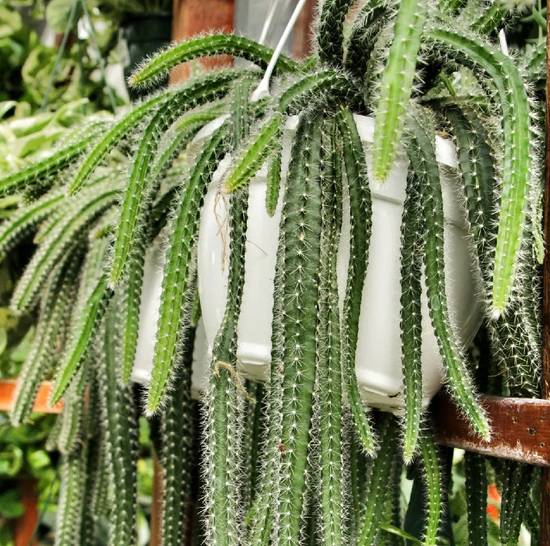
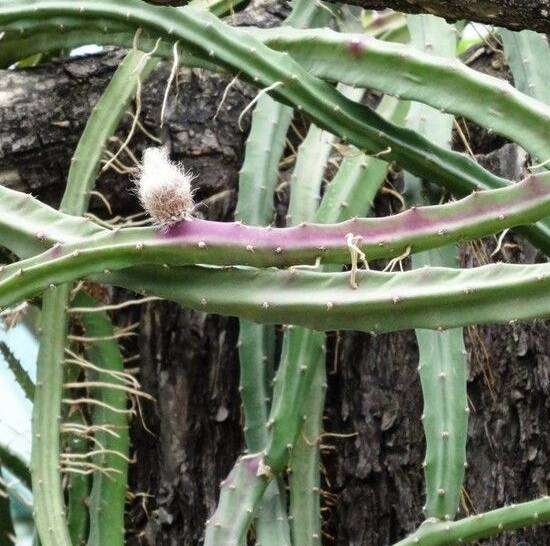
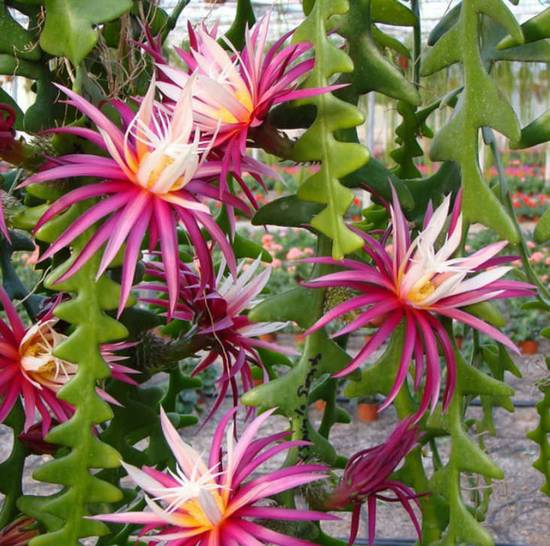
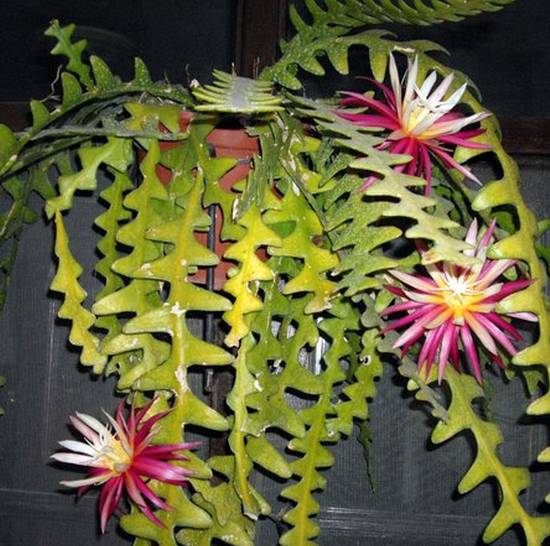
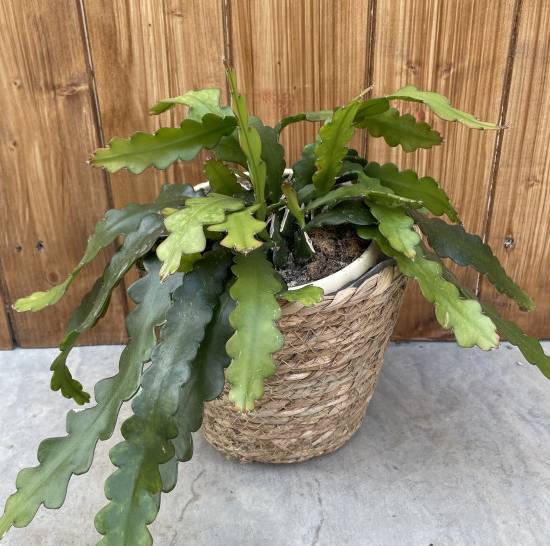
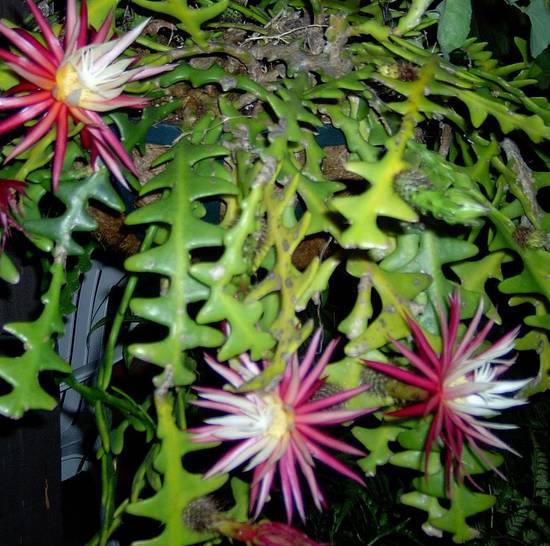
The Selenicereus Anthonianus is a spectacular epiphytic cactus, famous for its zigzag flattened cladodes (“fishbone”) that cascade elegantly. Each thin, deeply lobed segment captures light and casts graphic shadows, while the medium to dark green epidermis remains smooth and supple. Hanging or trained on a support, Selenicereus Anthonianus quickly forms a lush cascade, more reminiscent of a jungle plant than a desert cactus. Growth is vigorous in spring and summer when light, gentle warmth and airy substrate are provided.
Unlike desert cacti, Selenicereus Anthonianus appreciates moderate humidity and regular but well-controlled watering. Water thoroughly when the mix has clearly dried at the surface, then allow excess to drain completely; never let the pot sit in water. Abundant light without scorching all-day sun keeps cladodes short and deeply cut; gentle morning sun is ideal indoors. In winter, provide a bright, cooler space with spaced watering.
🌞 Ideal: gentle morning sun + strong brightness in the afternoon; avoid scorching direct sun behind glass in summer.
🏠 Indoors: south/east exposure with light curtain in summer; excellent ventilation.
🌱 Warm season: water when the top of the mix has dried, then drain thoroughly.
🍂 Cool season: space watering noticeably; substrate almost dry between applications.
🌡️ Ideal: 18–28 °C in growth; moderate humidity and moving air.
❄️ Minimum: 8–10 °C dry; avoid cold drafts.
🪨 Base: cactus substrate enriched with coarse elements (bark, gravel) + added perlite and pozzolana to keep the collar clean.
🌸 Period: late spring to summer, opening at dusk and fading by morning.
🎨 Colors: creamy white with slightly pink center, golden stamens; delicate fragrance.
🕑 Keys: bright, slightly drier winter rest, gentle warmth in spring, light feeding.