Mangave Praying Hands

Mangave Praying Hands

Mangave Praying Hands

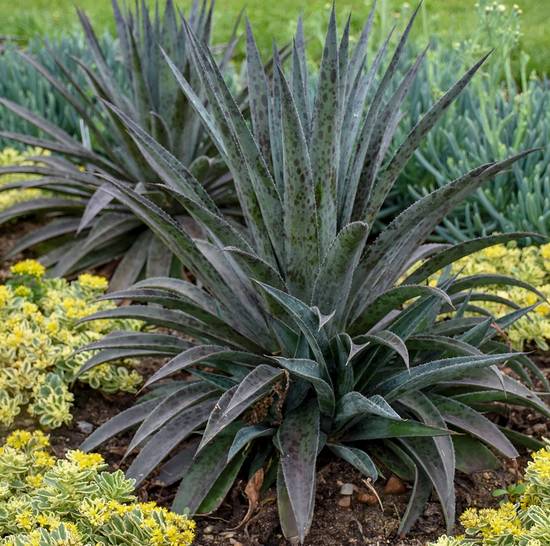
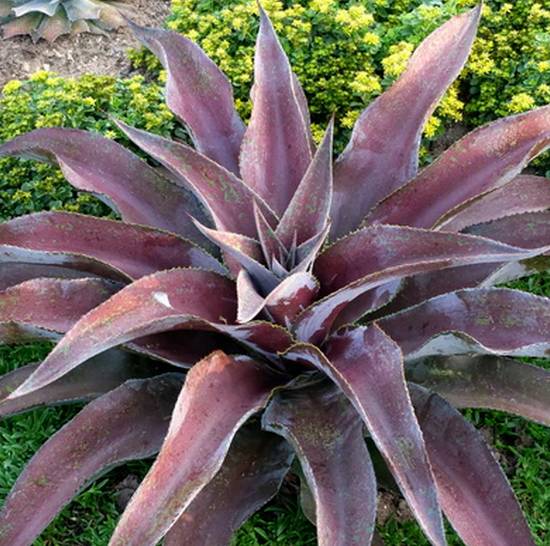
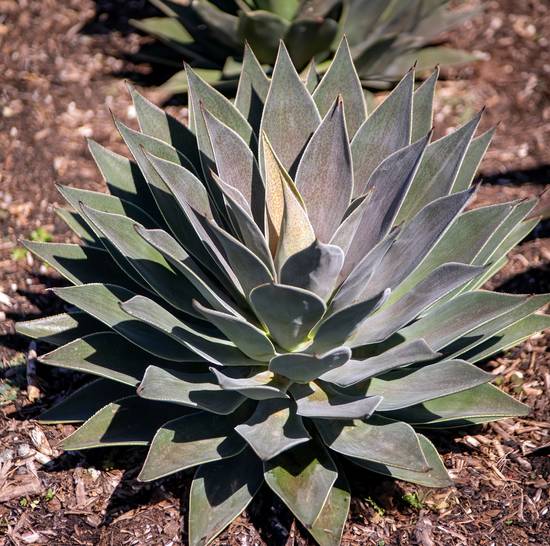
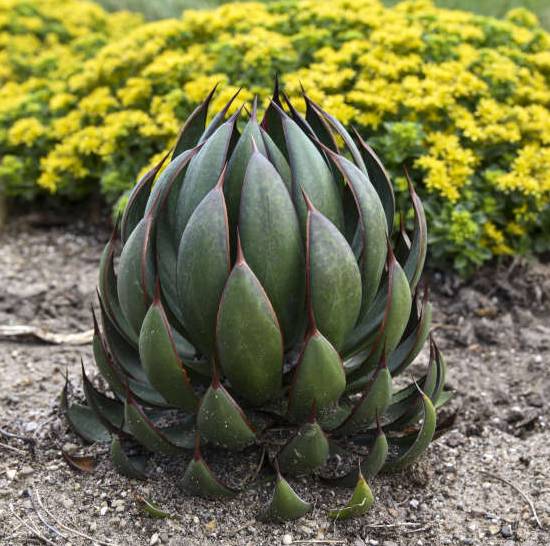
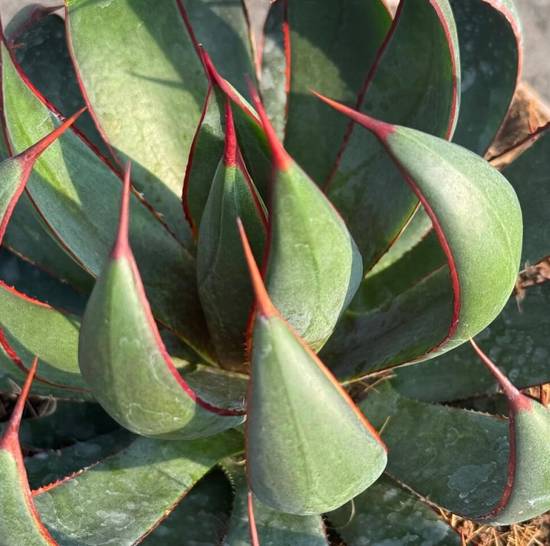
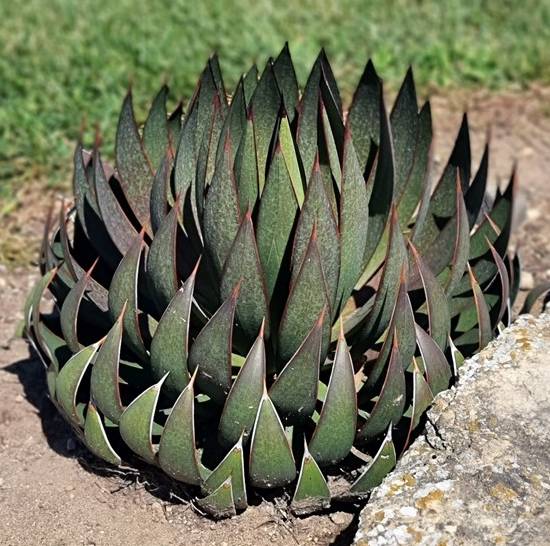
The Mangave Praying Hands is a striking hybrid variety that immediately catches the eye thanks to its vertical and sculptural habit. As its name suggests, its upright leaves appear joined toward the sky, like hands in prayer. This unusual posture, combined with thick, rigid and slightly curved leaves, makes it a graphic and deeply original plant. Derived from a cross between an agave and a manfreda, Mangave inherits the best of both worlds: the robustness of the Agave and the slightly faster growth of Manfreda.

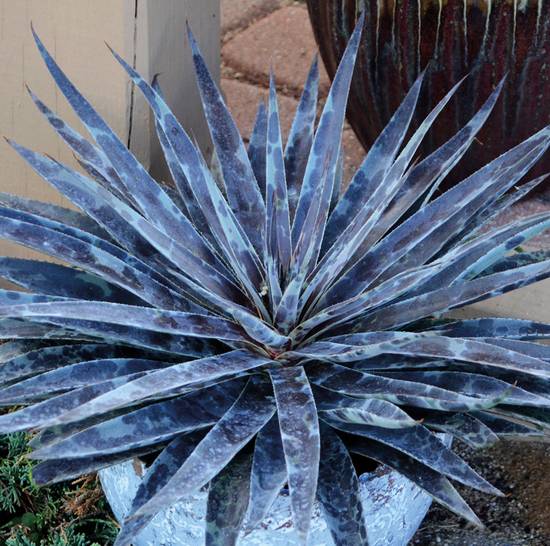
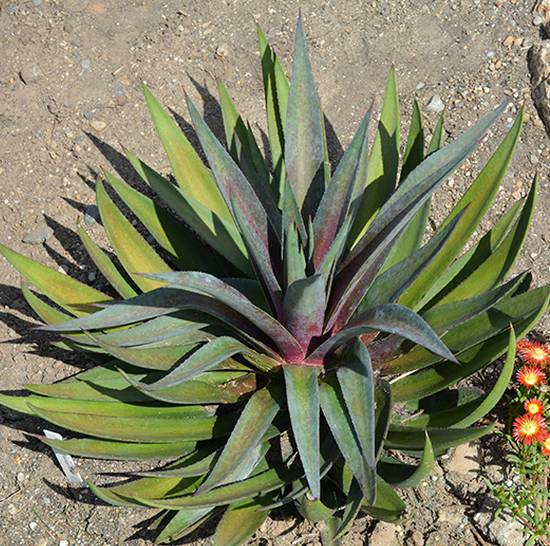
Each rosette is compact, well structured and displays an almost architectural silhouette. The leaves, deep bluish green, are lightly speckled with dark spots. Their waxy texture, sometimes covered with a fine bloom, reinforces the plant’s graphic character. It is ideal in pots to decorate a terrace or brighten a luminous interior, but it also thrives in open ground in regions with mild winters.

Although the Mangave is a horticultural hybrid, its parents originate from the American continent. Agave species mainly come from Mexico, while Manfreda species originate from the southern United States and Central America. Mangave Praying Hands was developed in the United States by horticulturists specializing in succulent hybrids, with the aim of combining the sculptural aesthetic of agave with the vigorous growth of manfreda.
To fully express its upright habit, Mangave Praying Hands needs generous light:

🌞 Outdoors : Full sun or light partial shade. A minimum of 5–6 hours of direct sun per day is recommended.

🏡 Indoors : Choose a very bright room with filtered direct light. A veranda or a southeast-facing windowsill is ideal.
Water management is essential to preserve the plant’s shape and health:

💧 During the growing season (spring-summer) : Water every two weeks, provided the substrate is completely dry between waterings.

🍂 In winter : Greatly space watering, or stop in case of vegetative rest. The plant tolerates some drought without suffering.
Mangave Praying Hands tolerates warm temperatures well and adapts to varied climates:

🌡️ Comfort zone : Between 18 °C and 28 °C.

❄️ Minimum threshold : Down to -3 °C if the soil is perfectly dry, but it is advisable to bring it indoors during winter in cold regions.
Soil choice is fundamental for this low-water-demand plant.

🪨 Use a well-draining cactus and succulent substrate, which can be enriched with perlite to lighten the texture. Adding pozzolana is also recommended to ensure rapid drainage and limit the risk of root rot.
Although this Mangave is mainly appreciated for its foliage, it may also offer discreet flowering:

🌸 Period : Generally in summer, on well-established adult plants.

🎨 Appearance : Elongated flower stalks bearing small tubular flowers, yellow to greenish in tone.

🧬 Note : Some mangaves are monocarpic (they die after flowering), but many cultivars produce offsets before declining.
FAQ - Mangave Praying Hands

What substrate is recommended for Mangave Praying Hands?
To provide a healthy, airy environment, choose a cactus substrate enriched with perlite and pumice. This mix ensures rapid drainage and prevents water stagnation.
How should Mangave Praying Hands be watered without overwatering it?
It is crucial to let the soil dry completely between waterings. In summer, water about every two weeks; in winter, reduce or stop watering depending on humidity. Too much water can cause crown rot.
Can Mangave Praying Hands be grown in a pot?
Absolutely, it is even its preferred growing method. Choose a pot with drainage holes, wider than deep, and use well-draining substrate. In a pot, it becomes a superb decorative element for balconies or terraces.
Is Mangave Praying Hands cold hardy?
It can tolerate light frost down to -3°C if kept dry, but it is safer to bring it indoors or protect it once temperatures drop below 5°C.
What is the growth rate of Mangave Praying Hands?
It is a slow to moderate grower. It forms a compact rosette over a few years, and its beauty lies in its patience and symmetrical shape.
Can Mangave Praying Hands bloom?
Yes, with patience. Mature plants may produce a summer flower stalk. Even if the bloom is not spectacular, it adds botanical interest.
What type of fertilizer should be used for Mangave Praying Hands?
During the growing season, a monthly application of a liquid cactus fertilizer helps strengthen the plant and promotes dense foliage.
How can you tell if Mangave Praying Hands is lacking water or receiving too much?
Leaves that soften, blacken, or fall often signal excess moisture. Conversely, wrinkled or discolored leaves indicate water stress. Observe the substrate carefully and adjust watering accordingly.
Does Mangave Praying Hands tolerate full sun?
Yes, it loves direct light, especially outdoors. However, gradual acclimatization in spring is recommended to prevent sunburn on young leaves.
Does Mangave Praying Hands produce offsets?
Yes, some plants produce offsets at the base as they age. These can be removed and replanted to obtain new plants.