Mangave Moonglow

Mangave Moonglow
Mangave Moonglow
Mangave Moonglow

Mangave Moonglow

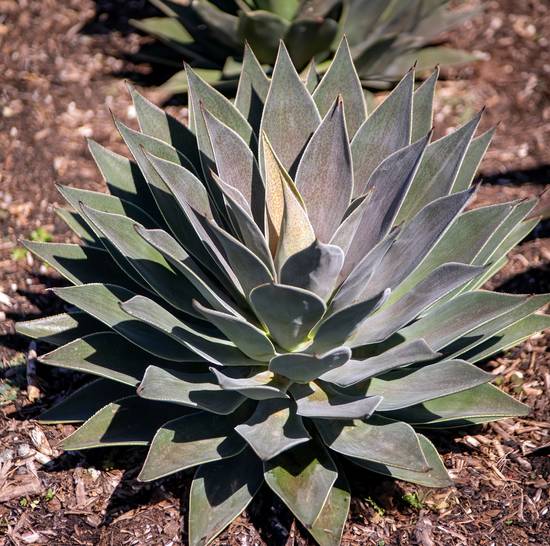
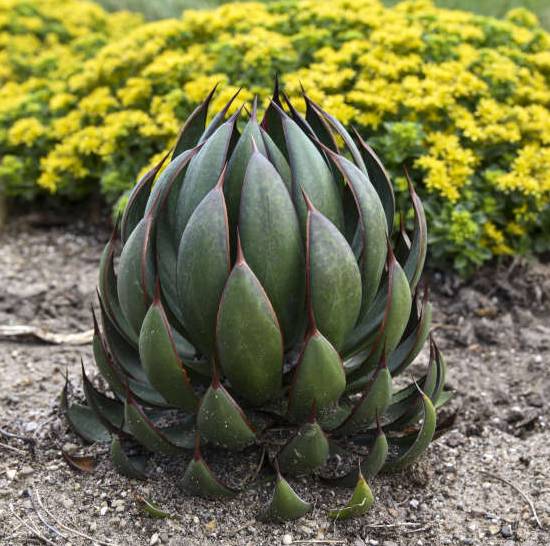
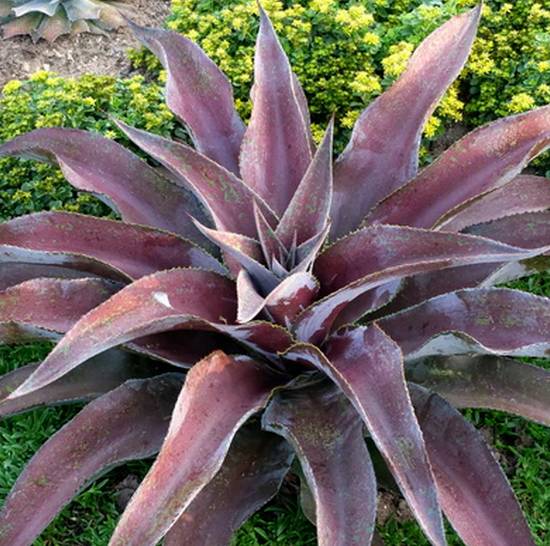
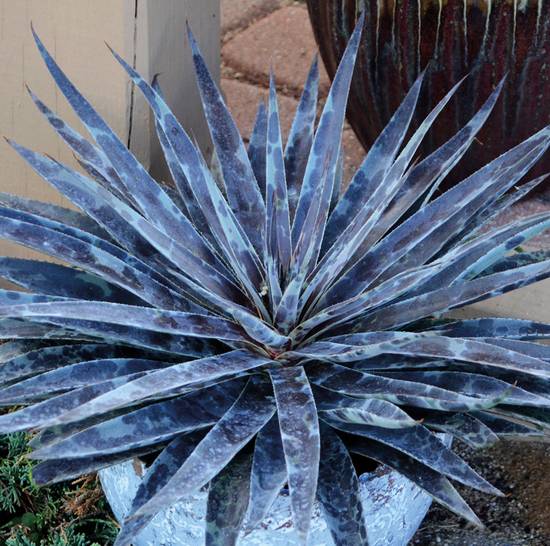
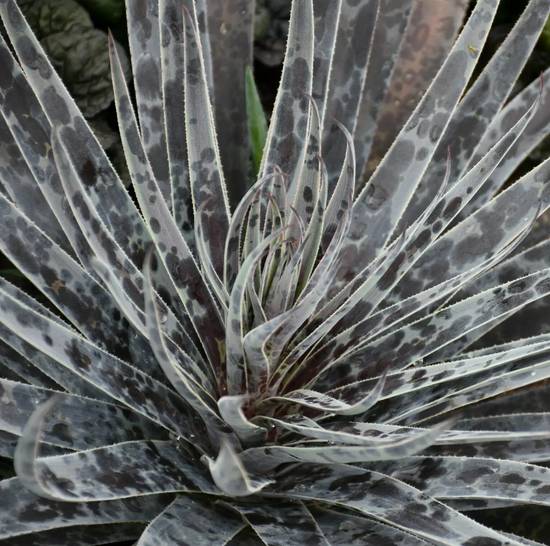
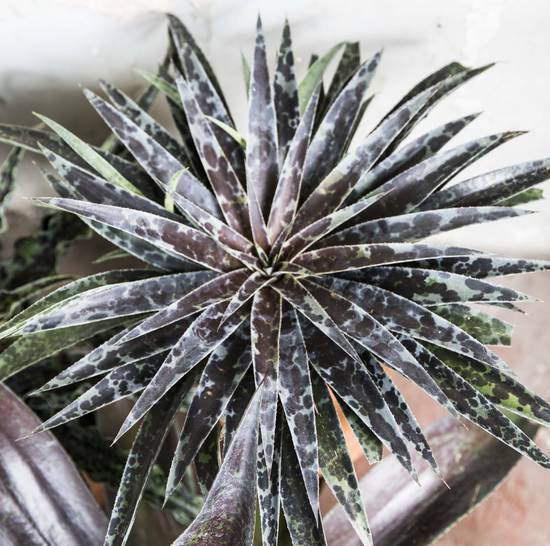
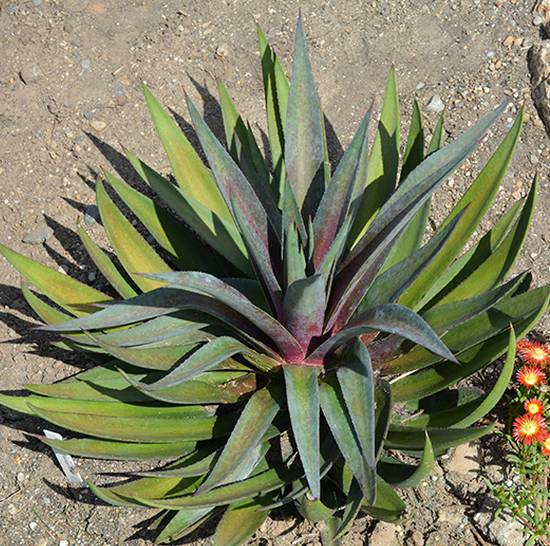
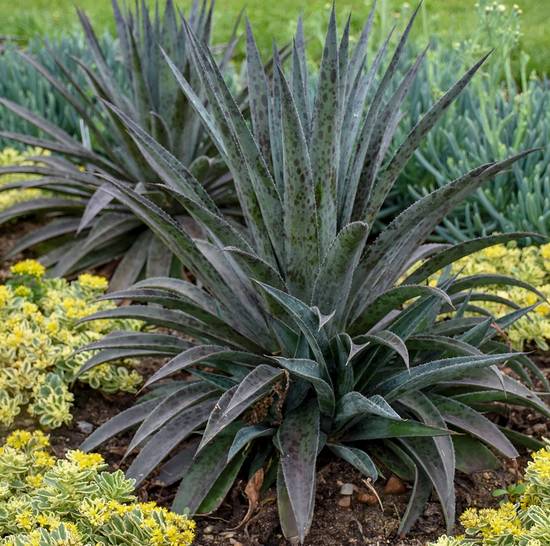
The Mangave Moonglow is a true vegetal work of art that subtly combines the aesthetic qualities of Agaves with the flexibility of Manfredas. This hybrid plant stands out with its low, spreading rosette composed of thick, lance-shaped and slightly wavy leaves, whose surface is adorned with a unique speckled pattern. Its main shade, a deep bluish grey-green, is enhanced by a constellation of purple spots reminiscent of moonlight filtered through clouds. Hence its evocative name: “Moonglow”.

Ideal for lovers of graphic plants, Mangave Moonglow is also highly appreciated for its ease of cultivation. It is perfectly suited to balconies, terraces, rock gardens or bright interiors, where its compact habit makes it a superb ornamental subject. This plant fully expresses its potential when it benefits from optimal light conditions, revealing the full intensity of its contrasted foliage.

Mangave Moonglow is a horticultural hybrid developed in the United States, resulting from the cross between a hardy Agave and a Manfreda. It does not exist in the wild, but its ancestors originate from the semi-arid regions of North and Central America.
To ensure harmonious development and vibrant colors for Mangave Moonglow:

🌞 Outdoors : Full sun or partial shade, with at least 5 to 6 hours of direct light per day.

🏡 Indoors : Choose a bright location such as a large window or a well-exposed veranda.
This succulent plant appreciates dry soil between waterings:

💧 Spring / Summer : Water approximately every 2 to 3 weeks, allowing the substrate to dry thoroughly.

🌙 Autumn / Winter : Greatly space watering, or stop altogether depending on ambient humidity.
Mangave Moonglow is adapted to a wide range of temperatures:

🌡️ Optimal zone : Between 18 °C and 28 °C.

❄️ Cold tolerance : Down to -3 °C if the substrate remains perfectly dry. When in doubt, winter protection is recommended.
Well-draining soil is essential for root health.

🪨 Prefer a special cactus substrate, enriched with perlite for aeration and pozzolana for drainage and structure. This trio ensures rapid water evacuation and prevents excess moisture.
Although Mangave Moonglow is mainly appreciated for its spectacular foliage, it can also bloom:

🌸 Time : Generally in summer, on well-developed specimens.

🎨 Flowers : Tubular, cream to greenish in color, borne on long flower stalks.

💡 Note : Flowering is sometimes followed by degeneration of the rosette, but the plant often produces offsets before fading.
FAQ - Mangave Moonglow

What type of substrate is suitable for Mangave Moonglow?
Mangave Moonglow thrives in very well-draining soil. Use a suitable substrate mixed with perlite to lighten the soil and a bit of pumice to improve drainage.
Does Mangave Moonglow require frequent watering?
No, this plant prefers spaced watering. Water only when the substrate is completely dry. In winter, watering becomes almost unnecessary unless kept in a heated indoor space.
Is Mangave Moonglow frost tolerant?
It can tolerate light frost down to -3°C if the soil is perfectly dry, but it is recommended to bring it indoors or protect it in colder regions.
How can you enhance the leaf coloration of Mangave Moonglow?
Expose it to as much direct light as possible. Sunlight stimulates the appearance of purple spots and enhances bluish tones. Low light will dull its colors.
Does Mangave Moonglow bloom?
Yes, but flowering is rare in pots. It occurs on well-established, mature plants. A tall flower stalk rises from the center of the rosette with small, discreet flowers.
Can Mangave Moonglow be grown indoors?
Yes, provided it receives a very bright location. A sunroom, greenhouse, or southeast-facing windowsill is ideal.
What fertilizer should be used for Mangave Moonglow?
Use a liquid cactus fertilizer once a month during the growing season. This promotes stronger foliage and better resilience.
Is Mangave Moonglow suitable for beginners?
Yes, absolutely! Its drought tolerance and minimal care requirements make it an excellent plant for beginner gardeners.
What are the signs of overwatering or underwatering in Mangave Moonglow?
Soft or blackened leaves indicate overwatering, while wrinkled leaves signal underwatering. Regular observation helps adjust care.
Can Mangave Moonglow be propagated?
Yes, it sometimes produces offsets at the base. These can be gently separated and replanted in suitable substrate to create new plants.