Gymnocalycium Quehlianum
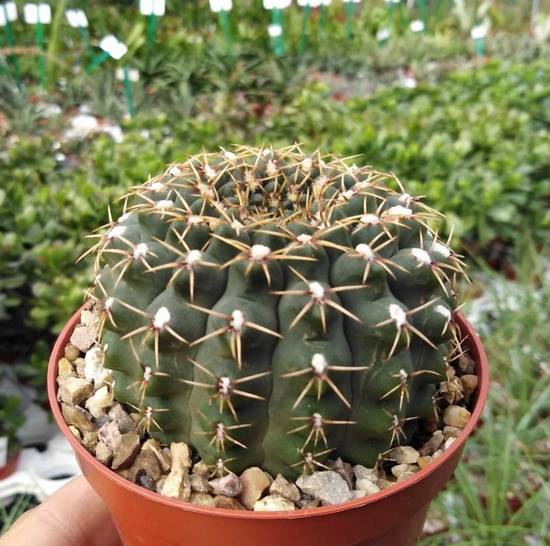
Gymnocalycium Quehlianum is a small globular cactus native to Argentina, renowned for its generous flowering and soft colors. Compact, elegant, and easy to grow, it appeals to both experienced collectors and beginners wishing to enter the fascinating world of cacti.
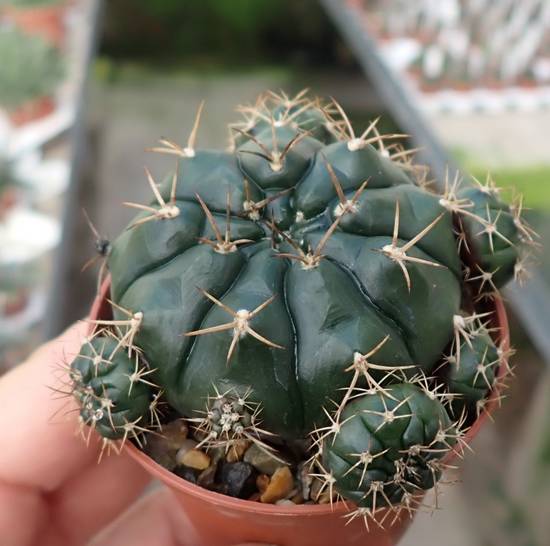
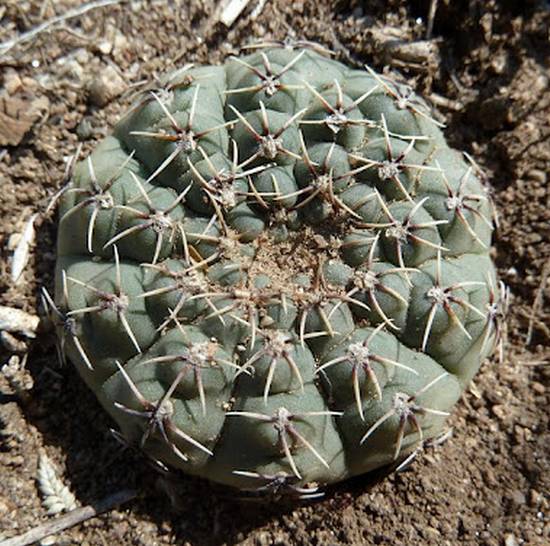
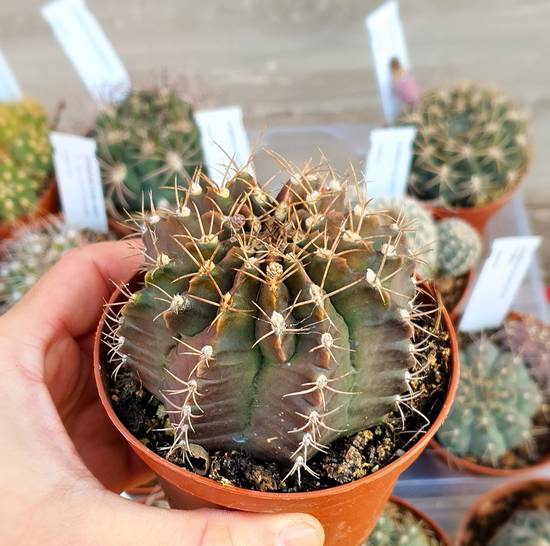
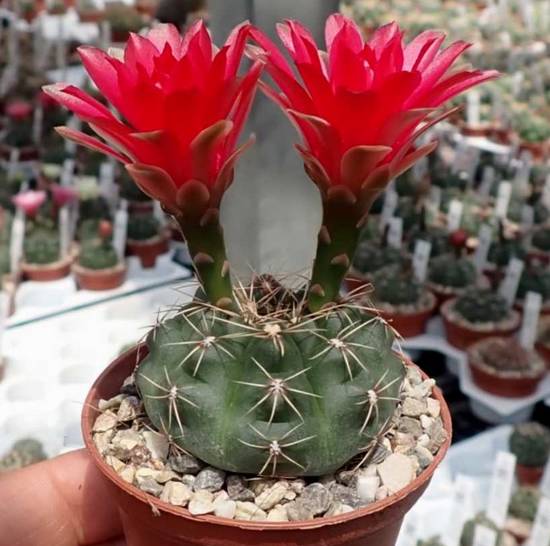
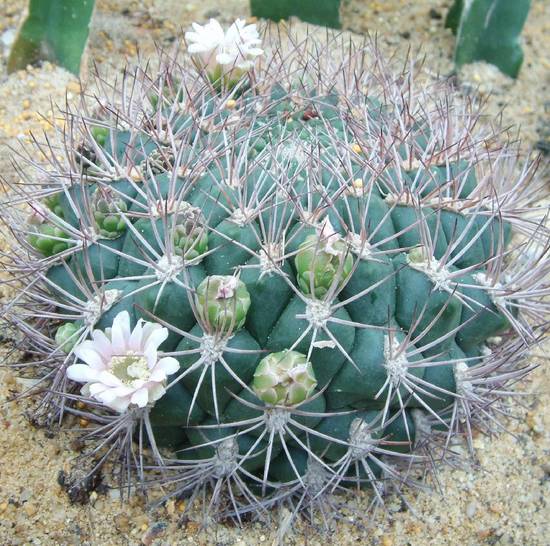
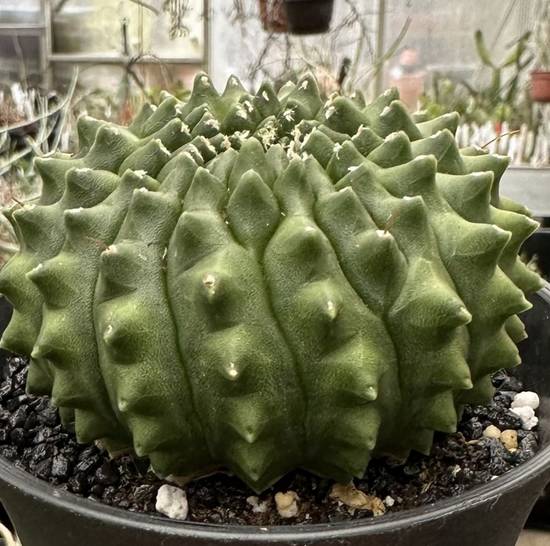
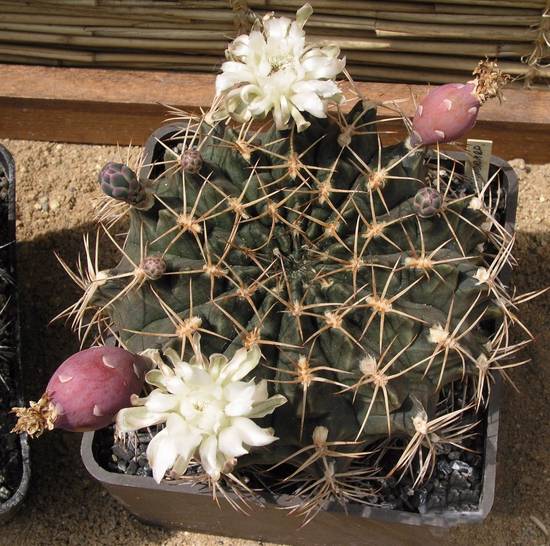
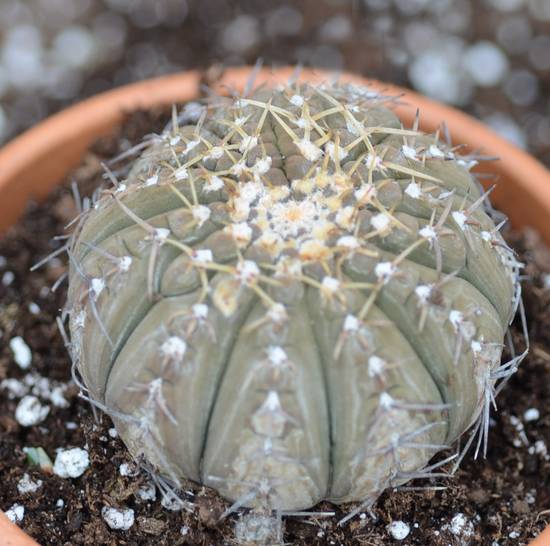
This cactus usually remains modest in size, rarely exceeding 10 cm in diameter, making it an excellent choice for pot cultivation. Its stem, dark green to slightly grayish, is divided into rounded ribs bearing areoles filled with small, short spines, often curved toward the body. This arrangement makes the plant less prickly than many other cacti while giving it a harmonious appearance.
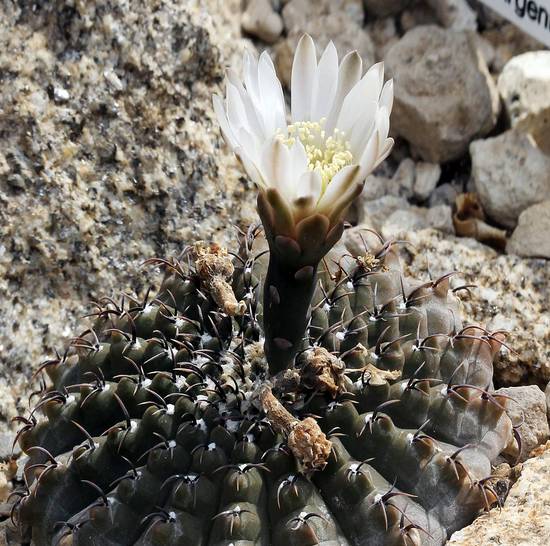
The flowering of Gymnocalycium Quehlianum is one of its greatest assets: in spring and summer, it displays widely open flowers with white to pale pink petals, sometimes tinged with violet, with a slightly pink center. These flowers, contrasting with the darker body, create a striking ornamental effect.
🌞 Ideal exposure: full sun or bright indirect light if grown indoors.
🌤️ In summer: gradually acclimate it to direct sun to avoid burns on the epidermis.
💡 Good brightness promotes not only flowering but also a compact and harmonious shape.
💧 Spring / summer: water every 2 to 3 weeks, allowing the substrate to dry completely between waterings.
🍂 Autumn / winter: reduce watering to once a month or stop completely if the plant is resting in a cool place.
⚠️ Avoid any stagnant moisture, the main cause of root rot.
🌡️ Optimal temperature: 20 to 28°C during growth.
❄️ Minimum tolerated: -5°C when dry, but protect it once temperatures drop below 5°C in pot cultivation.
🏠 Bright and cool overwintering (8 to 12°C) promotes abundant flowering in spring.
🪨 Recommended mix: 40% cactus soil + 30% perlite + 30% pozzolana
This mix ensures effective drainage and protects roots from excess moisture.
🌸 Period: spring and summer.
🎨 Color: white, pale pink, or slightly violet.
🕑 Duration: each flower lasts several days and the plant can bloom several times during the season.
💡 The cooler the winter rest, the more abundant the flowering.