Cotyledon pendens

Cotyledon pendens
Cotyledon pendens
Cotyledon pendens

Cotyledon pendens

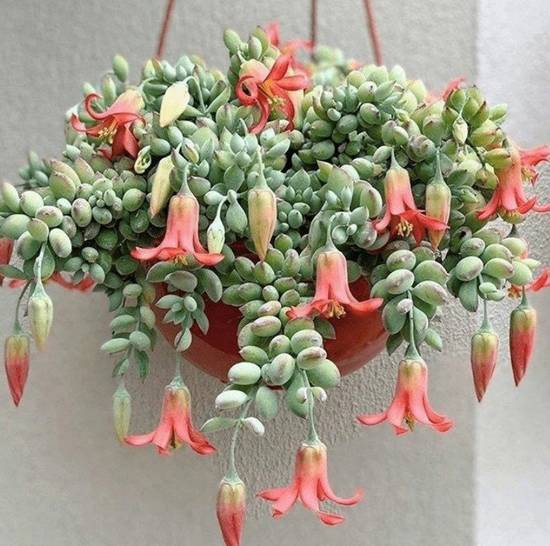
The Cotyledon Pendens is a South African succulent with a spectacular trailing habit. Appreciated for its flexible stems, fleshy leaves and orange blooms, it is an ideal plant for hanging baskets or elevated pots. Its graphic silhouette and cascading growth give it strong ornamental value, whether grown indoors in bright light or outdoors in a well-exposed location.

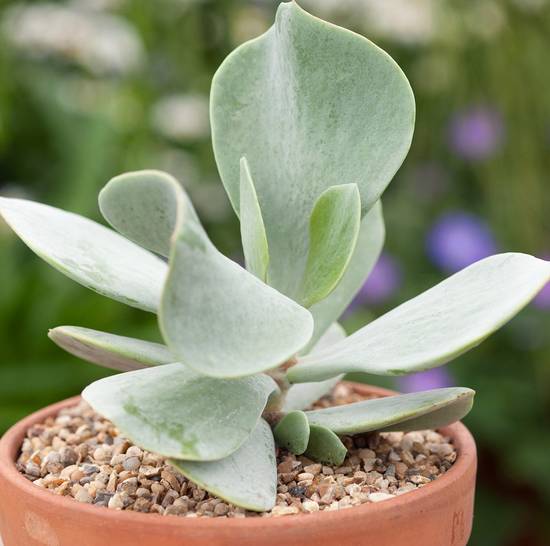
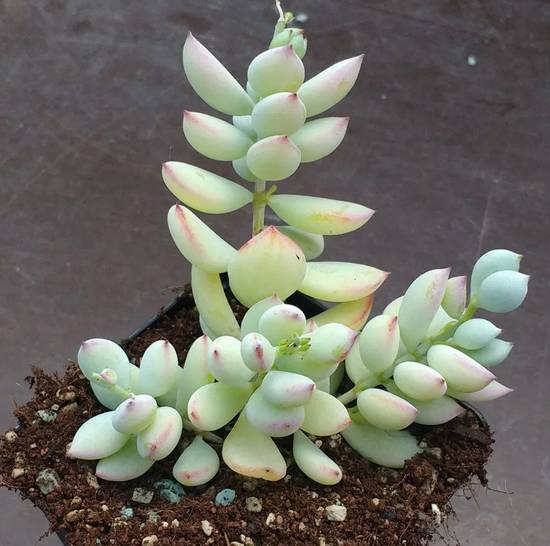
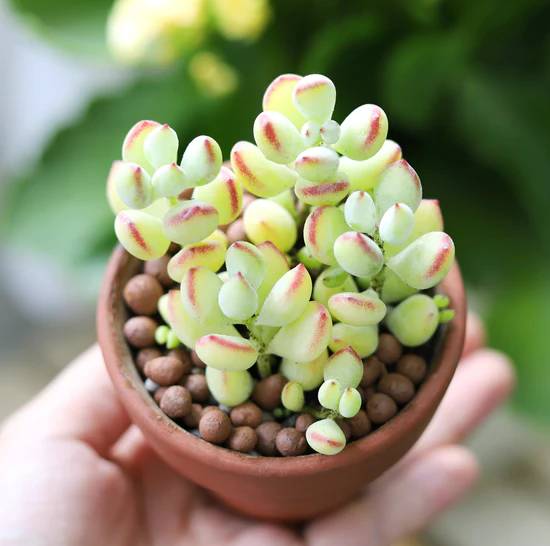
This succulent is distinguished by its thin, elongated stems that can reach 50 to 80 cm in length. They are covered with opposite, thick, oval to slightly lanceolate leaves, light green with a whitish powdery coating. During dry periods or under strong sunlight, the leaves can take on bluish tones, sometimes highlighted by a red margin. The overall effect forms a supple and elegant cascade.

The Cotyledon Pendens is endemic to rocky and mountainous regions of southern Africa. It grows on cliffs or in rock crevices, where its stems can freely trail down rock faces. This growth strategy helps it avoid waterlogged soils, as water drains away quickly, reducing the risk of rot. Its thick leaves, covered with a protective bloom, limit water loss. This adaptation to a dry and windy environment has made the Cotyledon Pendens highly drought-tolerant and perfectly suited to hanging pots or raised planters.
The Cotyledon Pendens needs good light to thrive:

🌞 Outdoor: Full sun or bright partial shade. A south- or west-facing exposure is ideal.

🌤️ Indoor: Near a large window, with at least 5 hours of light per day.

Strong light enhances leaf coloration and encourages flowering.
This Cotyledon enjoys dry periods:

🌱 Spring / summer: Water moderately every 10 to 15 days, allowing the substrate to dry completely between waterings.

🍂 Autumn / winter: Almost no watering during dormancy, unless the plant is kept warm.

⚠️ Tip: Avoid water stagnation at the base of the stems.
The Cotyledon Pendens prefers temperate climates:

🌡️ Ideal: Between 18 and 26 °C for optimal growth.

❄️ Limit: Can tolerate brief drops to 0 °C in dry substrate, but it is best to bring it indoors below 5 °C.

🏠 Winter: Keep in a bright, cool room (10–15 °C), without watering.
Good drainage is essential to prevent rot:

🪨 Recommended mix: 50 % cactus substrate + 25 % perlite + 25 % pumice.
Spectacular and colorful:

🗓️ Season: Summer flowering, sometimes starting in late spring.

🎨 Flowers: Tubular, pendulous, coral red to bright orange.

🐝 Pollination: Attracts bees, butterflies and other nectar-feeding insects.

💡 Tip: Gentle fertilization can promote more abundant flowering.
FAQ - Cotyledon pendens

What exposure suits Cotyledon Pendens best?
It requires strong light. It thrives in direct sun outdoors or near a bright window indoors. Insufficient light reduces flowering.
How should Cotyledon Pendens be watered to avoid rot?
Water only when the substrate is completely dry. In summer, water every 10 to 15 days. In winter, drastically reduce or stop watering.
What type of potting mix should be used for Cotyledon Pendens?
Use a well-draining mix such as cactus potting soil supplemented with perlite and volcanic rock.
Does Cotyledon Pendens tolerate cold?
It tolerates temperatures close to 0°C if the soil is dry, but it does not withstand prolonged frost. Bring it indoors when temperatures drop below 5°C.
When does Cotyledon Pendens bloom?
It generally blooms in summer, sometimes starting in spring. It produces decorative hanging flowers in shades of orange to coral red.
How can flowering be encouraged in Cotyledon Pendens?
Provide good sunlight, a cool winter rest period, and apply a suitable fertilizer in spring to encourage flowering.
Can Cotyledon Pendens be grown in hanging baskets?
Yes, it is particularly attractive in hanging baskets. Its trailing growth habit makes it ideal for suspended pots or elevated containers.
Is Cotyledon Pendens toxic to animals?
Yes, it can be toxic if ingested. Keep it out of reach of pets.
Should Cotyledon Pendens be pruned?
Pruning is not required, but you may shorten overly long or damaged stems to maintain an attractive shape.
How can Cotyledon Pendens be propagated by cuttings?
Take a healthy stem cutting, let it callus for a few days, then plant it in well-draining substrate. Water sparingly until roots develop.