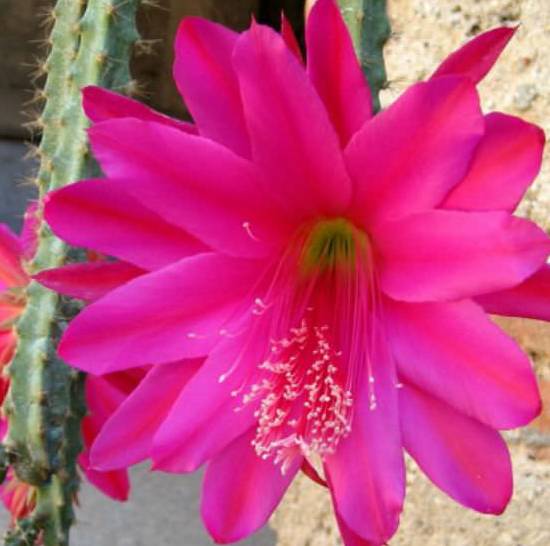
Aporocactus Speciosus

Aporocactus Speciosus

Aporocactus Speciosus

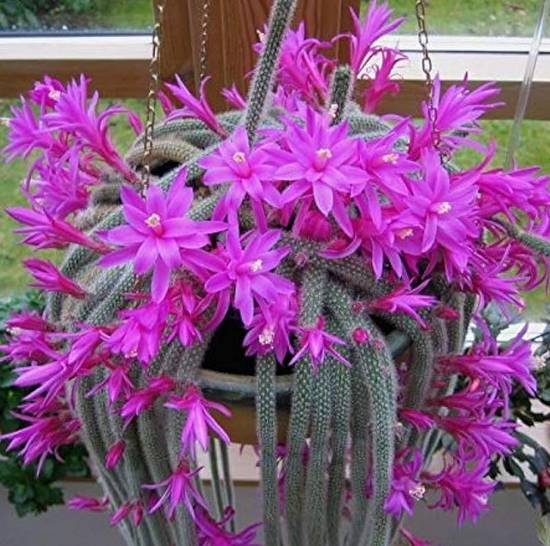
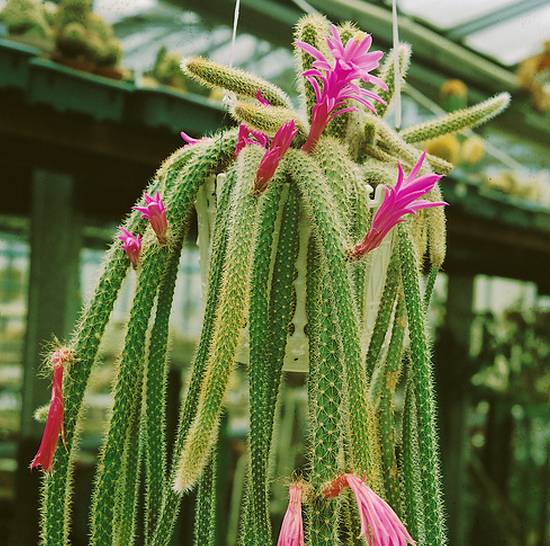
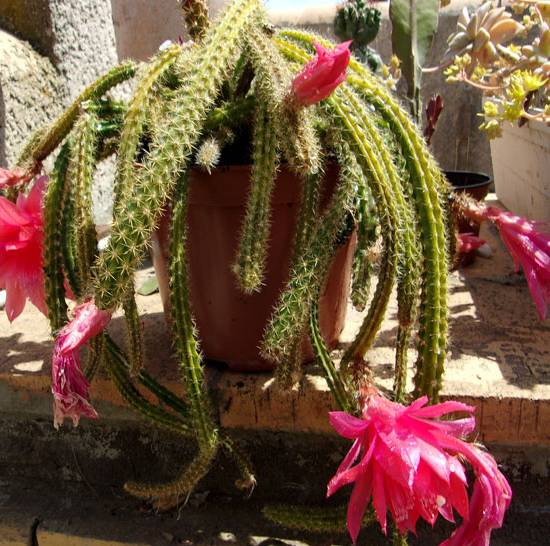
The Aporocactus Speciosus is a spectacular epiphyte, famous for its flat, segmented, trailing stems that become covered in large, flamboyant flowers in spring (pink, magenta, red, sometimes orange). In its natural habitat, it clings to branches or colonizes rocky crevices, where its fine roots breathe as much as they drink. In cultivation, provide bright non-scorching light, an airy substrate and rhythmic watering: it will reward you with dense growth and fireworks-like flowering.

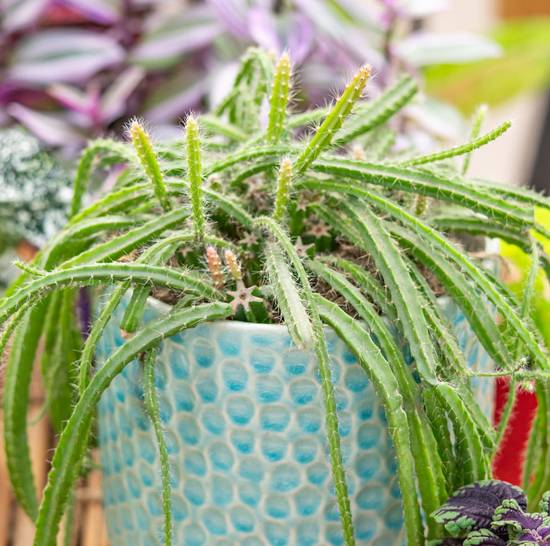
An epiphyte that loves air as much as water — Aporocactus Speciosus hates stagnant moisture. Its epiphytic biology requires an ultra-draining mix: water must pass quickly through the pot, leaving the roots in a moist but never suffocating environment. Segments become etiolated if light is insufficient, or spot if exposed to harsh sun without acclimation. With a cooler, drier winter rest, the plant prepares its flower buds for a generous spring display.

Native to Mexico and Central America, Aporocactus Speciosus benefits from brief showers followed by rapid drying, shifting canopy shade and cooler nights. These cycles explain its need for an airy substrate, abundant filtered light and alternating moisture without prolonged excess water.
To thicken its segments and trigger exceptional flowering, Aporocactus Speciosus requires plenty of light — carefully balanced.

🌞 Ideal: 4–6 h of gentle morning sun + bright light the rest of the day.

🌤️ Summer: filter during the hottest hours, especially behind a south-facing window.

🏠 Indoors: very bright south/east window or grow lights; avoid deep shade which elongates segments.
Accustomed to rapid runoff followed by dry periods, Aporocactus Speciosus prefers thorough but spaced watering.

🌱 Spring/Summer: water when the mix is dry 3–4 cm deep, generally every 7–12 days depending on heat and pot size.

🍂 Autumn/Winter: greatly reduce; keep just enough moisture to prevent shriveling, especially if overwintered cooler and bright.

Tip: a terracotta pot + mineral content speeds drying and limits rot.
Designed for bright mildness, Aporocactus Speciosus fears cold dampness and does not tolerate frost.

🌡️ Ideal: 18–26 °C in growth, with good ventilation.

❄️ Minimum: 8–10 °C dry, never frost.

🏠 Rest: bright, cooler and almost dry winter to induce buds.
To replicate its native crevices, Aporocactus Speciosus requires an ultra-draining, airy mix.

🪨 Recommended base: cactus soil mixed with 50% minerals (coarse sand, perlite), plus a touch of pozzolana for anchoring and aeration.
When days lengthen and winter has been well managed, Aporocactus Speciosus ignites with large satin-like corollas.

🌸 Period: mainly spring, sometimes in successive waves.

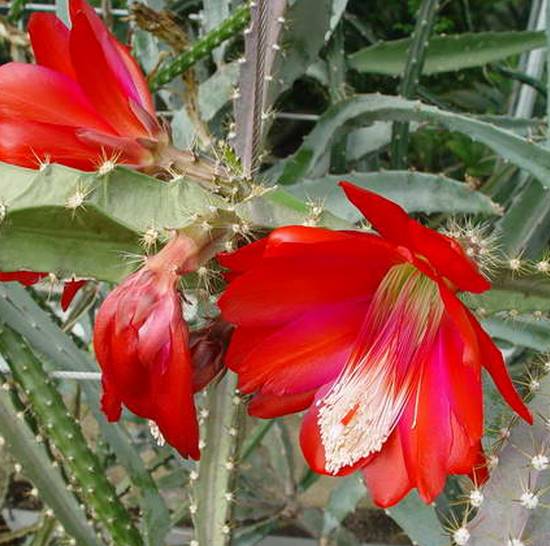
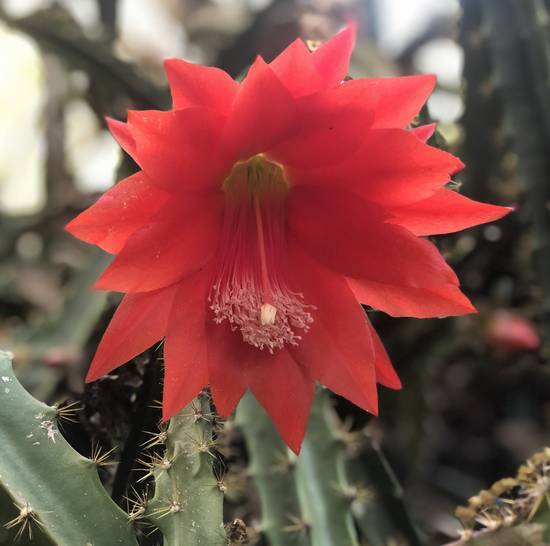
🎨 Shades: pink, magenta, red, sometimes orange depending on lineage.

🕑 Keys: abundant light, bright cooler winter rest, very light seasonal feeding and not an oversized pot.
FAQ - Aporocactus Speciosus

What substrate is best for Aporocactus Speciosus?
Use a very airy mix: cactus potting soil mixed 50% with minerals (coarse sand, perlite) and a touch of pumice for anchoring.
How should Aporocactus Speciosus be watered during the warm season?
Water thoroughly when the mix is dry 3–4 cm deep, generally every 7–12 days; avoid stagnant water and use a substrate rich in drainage granules.
How to stimulate flowering of Aporocactus Speciosus?
Provide a bright, cooler and almost dry winter rest, then in spring strong light and light applications of cactus fertilizer every 3–4 weeks.
Can Aporocactus Speciosus live only indoors?
Yes, if it receives very intense light (south/east-facing window or grow light) and an airy mix based on cactus potting soil + minerals.
What type of pot should be chosen for Aporocactus Speciosus in hanging baskets?
Prefer an airy hanging basket or a wide, shallow pot; add a layer of pumice at the bottom to optimize drainage.
When and how should Aporocactus Speciosus be repotted?
Repot in spring every 2 years or so, using a fresh ultra-draining mix; do not water for 5–7 days and then fertilize very lightly with a liquid cactus fertilizer.
Why are the segments of my Aporocactus Speciosus elongating or weakening?
Often due to lack of light or excess nitrogen; increase light exposure, space out watering and choose a mineral substrate (perlite + pumice).
How to successfully propagate Aporocactus Speciosus by cuttings?
Take a healthy segment, let it callus for 5–7 days, then plant in a light mix rich in perlite; mist very lightly until established.
What winter care does Aporocactus Speciosus need?
Keep it bright, cooler (8–12 °C) and almost dry; this clear rest period encourages flower buds in spring and limits rot.
Which plant combinations enhance Aporocactus Speciosus?
Pair it with epiphytes and compact Aloes; occasional application of cactus fertilizer during growth supports vigorous stems and abundant flowering.