Adromischus Rupicola

Adromischus Rupicola

Adromischus Rupicola

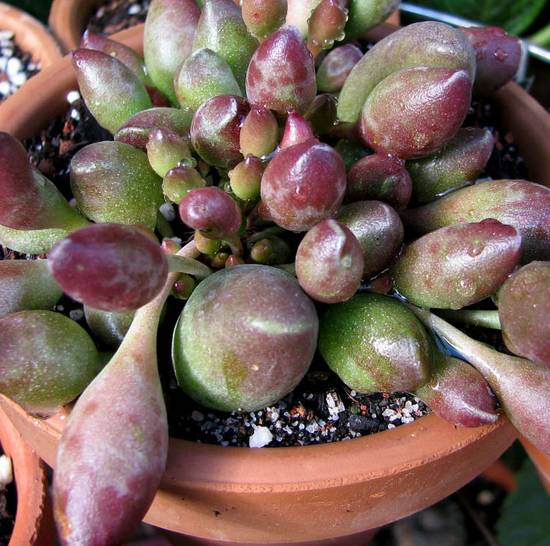
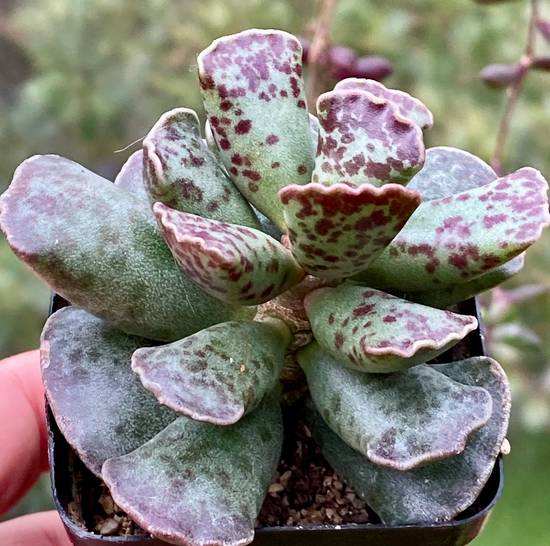
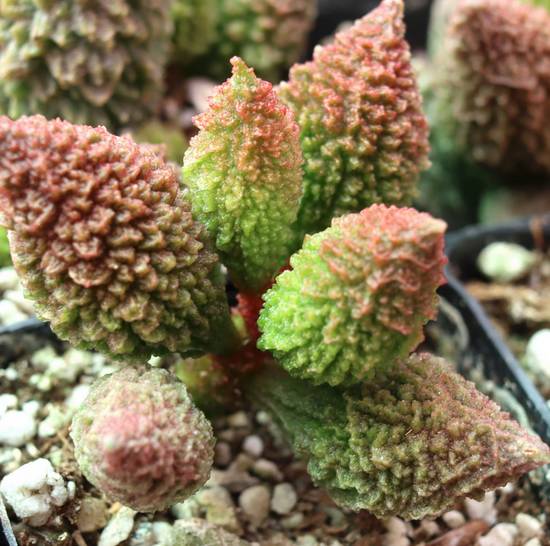
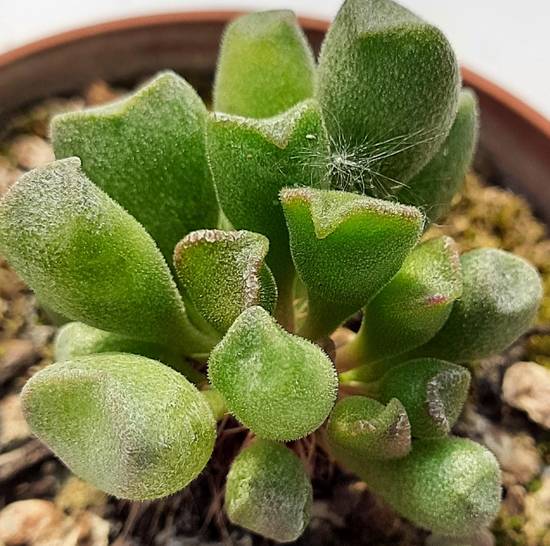
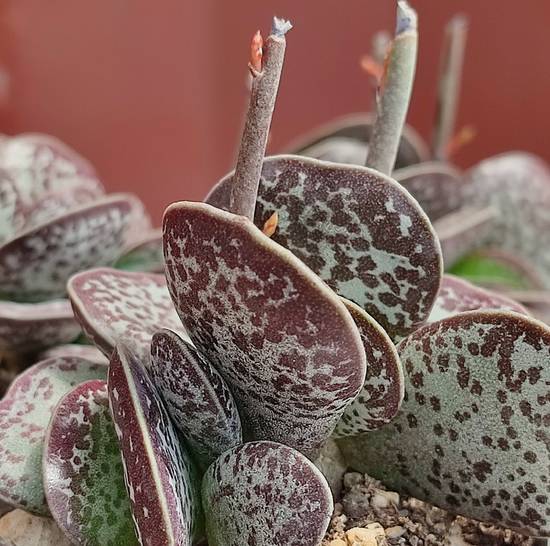
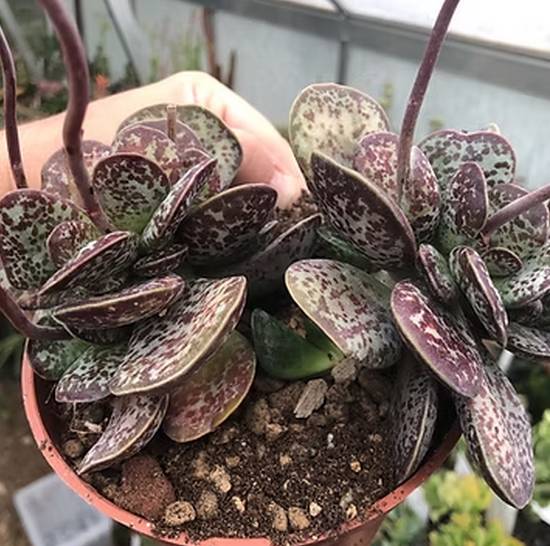
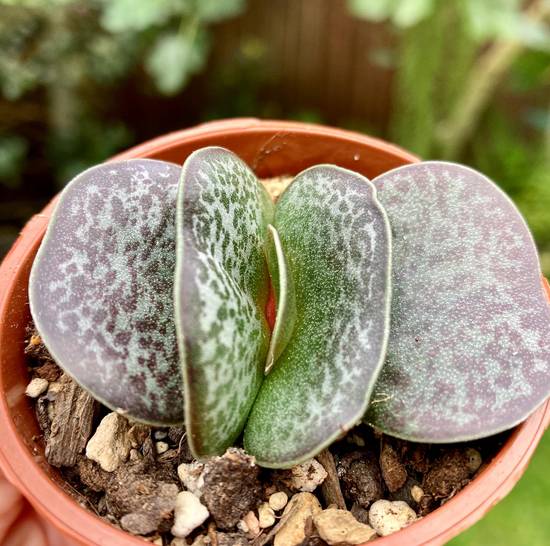
The Adromischus rupicola is a small succulent plant native to South Africa, specifically from the rocky areas of the Cape Province. This member of the Crassulaceae family is highly valued by collectors for its compact habit, thick leaves and ability to adapt to arid environments. Unlike other more common Adromischus species, the Rupicola form stands out for its unique appearance and relative hardiness.

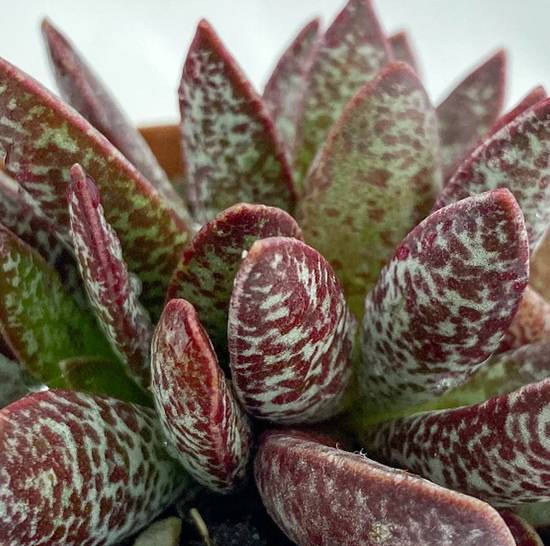
The plant forms low rosettes composed of fleshy, oval leaves with rounded tips, sometimes slightly wavy. Their color ranges from grey-green to brownish-purple depending on light exposure and growing conditions. Some forms display reddish spots or marbling. This coloration intensifies in full sun, making it highly decorative even without flowers. Thanks to its slow growth and compact size, it is ideal for small pots, dry rock gardens or open terrariums.

In the wild, the Adromischus Rupicola grows in sun-exposed rock crevices on poor but well-drained soils. Its name comes from its preferred habitat: rupestrian areas, meaning rocky and steep terrain. Its compact growth habit is a direct adaptation to extreme heat and drought conditions.
The Adromischus Rupicola requires plenty of light to thrive:

🌞 Direct light: Place it near a south- or west-facing window. Several hours of direct sunlight enhance the reddish coloration of the leaves.

🏠 Indoor cultivation: Perfect for bright windowsills, but avoid dark corners where it will quickly etiolate.
Like all succulents, the Adromischus Rupicola requires infrequent and well-controlled watering:

🌱 Growing season: Water moderately every 15 to 20 days in spring and summer, allowing the substrate to dry completely between waterings.

🍂 Dormant period: In autumn and winter, greatly reduce watering, or stop entirely if kept cool.

⚠️ Tip: Excess water is the main cause of rot. It is better to underwater than overwater.
The Adromischus Rupicola tolerates heat well but is sensitive to cold:

🌡️ Ideal: Between 20 and 28 °C.

❄️ Minimum: Do not expose below 5 °C. Bring it indoors as winter approaches.
Perfect drainage is essential for the Adromischus Rupicola:

🪨 Ideal mix: Combine cactus potting soil with 30 to 50% pumice or perlite.

🪴 Drainage holes required: Preferably use a terracotta pot to prevent moisture retention.
The Adromischus Rupicola can produce a delicate but elegant flowering:

🌼 Appearance: Upright flower stalks bearing small tubular white to pinkish flowers.

📅 Season: Spring or early summer, but only on well-established plants.

💡 Tip: A short dry period in spring may encourage flowering.
FAQ - Adromischus Rupicola

What light conditions are best for Adromischus Rupicola?
It requires plenty of light. Full sun in the morning or late afternoon is ideal to enhance growth and coloration.
What substrate should be used for Adromischus Rupicola?
Use a well-draining substrate enriched with mineral materials such as volcanic rock or perlite for optimal drainage.
How should Adromischus Rupicola be watered properly?
Always wait until the substrate is completely dry before watering. In summer, watering every two to three weeks is sufficient.
Can Adromischus Rupicola stay outdoors in winter?
No, it is sensitive to cold. Bring it indoors once temperatures drop below 8°C.
Should Adromischus Rupicola be fertilized?
Yes, but lightly. A cactus fertilizer can be applied once a month in spring and summer.
Is Adromischus Rupicola suitable for terrariums?
Yes, in an open, well-ventilated and bright terrarium. It does not tolerate stagnant humidity.
How can Adromischus Rupicola be propagated?
Propagate by leaf cuttings: remove a healthy leaf, allow it to callus for a few days, then place it on dry substrate.
What is the maximum size of Adromischus Rupicola?
It remains small, about 5 to 10 cm tall, with rosettes around 8 cm in diameter.
Is Adromischus Rupicola toxic?
No, it is considered non-toxic to pets.
When should Adromischus Rupicola be repotted?
Repot every 2 to 3 years in spring. Take the opportunity to refresh the substrate with a suitable well-draining mix.