Tylecodon Wallichii

Tylecodon Wallichii
Tylecodon Wallichii
Tylecodon Wallichii

Tylecodon Wallichii

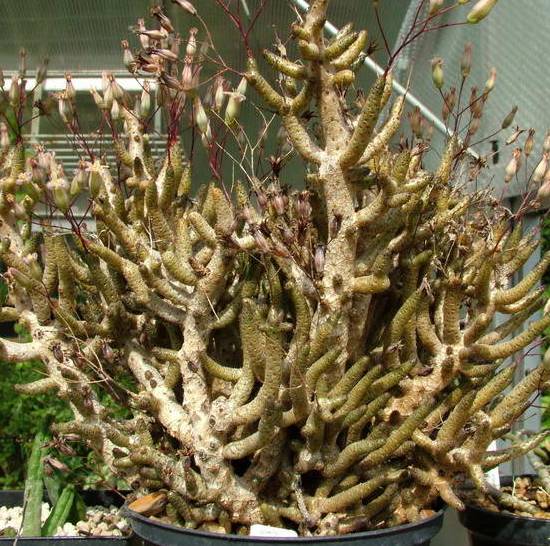
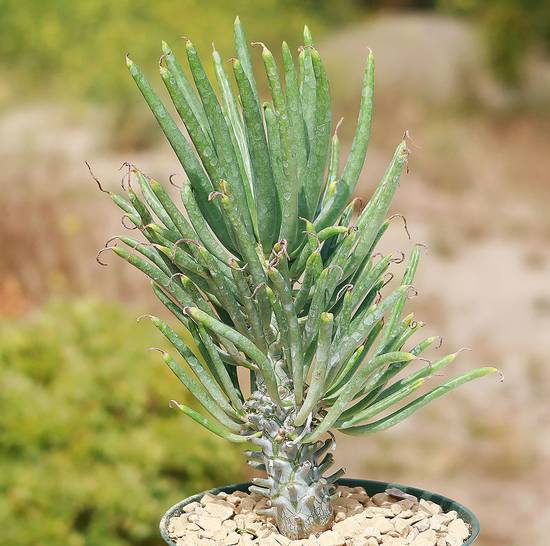
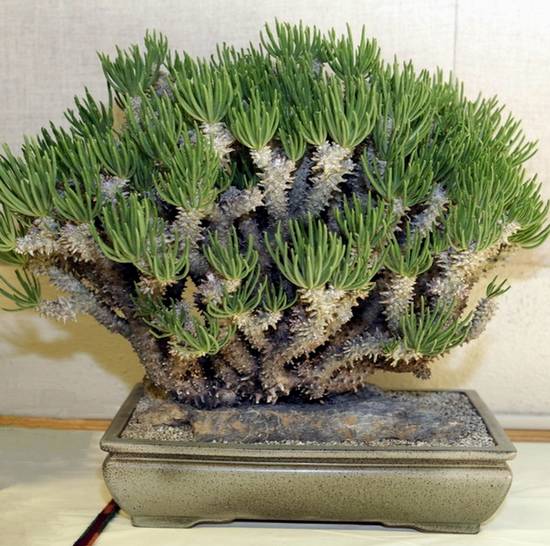
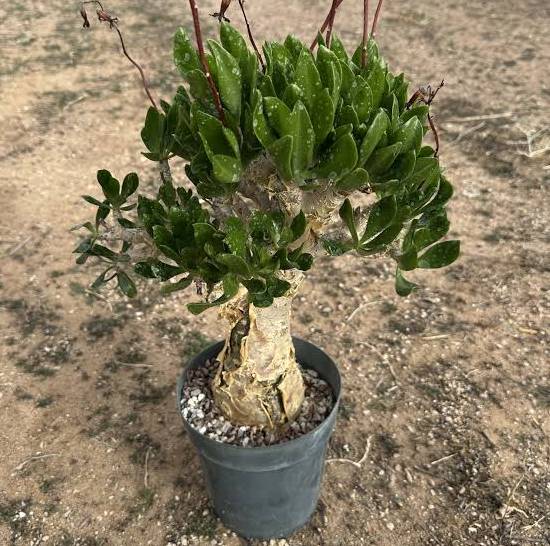
The Tylecodon Wallichii is a highly distinctive succulent with a twisted, sculptural silhouette reminiscent of a miniature baobab. Native to southern Africa and belonging to the Crassulaceae family, it is admired for its thickened trunk and gnarled branches covered with a thin, peeling brown bark. This caudiciform plant stores water in its swollen trunk, allowing it to survive long periods of drought in extremely harsh climates.

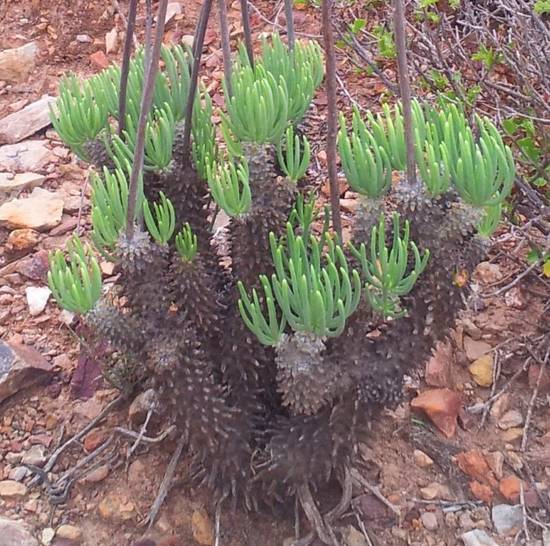
One of its most remarkable traits is its inverted growth cycle: it enters dormancy in summer, during the hottest months, and resumes growth in winter with the arrival of seasonal rains. Leaves appear only in winter, forming small, light-green clusters along the thick stems. This unusual rhythm makes Tylecodon Wallichii a fascinating plant for experienced collectors.

The Tylecodon Wallichii is native to the arid, rocky regions of Namibia and northern South Africa. It grows naturally in dry, elevated environments where rainfall occurs mainly in winter. Its thick trunk stores water during dry months, while leaf drop in summer protects it from extreme heat.
Maximum light exposure is essential for healthy growth.

☀️ Outdoors: Full sun, preferably south-facing, without shade.

🏡 Indoors: Place behind a very bright window or in a sunlit conservatory.

⚠️ Avoid low-light areas, which cause weak, elongated growth.
Unlike most succulents, the Tylecodon Wallichii grows during winter.

❄️ Winter / Spring: Water every 2–3 weeks once the substrate is completely dry.

🔥 Summer: The plant enters dormancy. Stop watering entirely until autumn.

💡 Excess water, especially in summer, is the main cause of rot.
The Tylecodon Wallichii tolerates wide temperature variations.

🌿 Ideal range: 10 to 25 °C.

❄️ Minimum: Down to 2 °C if kept completely dry (no frost).

🏠 In winter, a bright and cool veranda or garage is ideal.
This plant requires an extremely mineral and fast-draining substrate.

🪨 Ideal mix: 40% cactus soil, 30% pumice, and 30% perlite.

⚠️ Avoid rich, water-retentive universal soils.
Flowering is subtle but adds character to the plant.

📅 Season: Late winter to early spring.

🌼 Flowers: Tubular, yellow to greenish, borne on slender stems.

💡 A cool, bright winter period encourages flowering.
FAQ - Tylecodon Wallichii

What is the dormancy period of Tylecodon Wallichii?
It enters dormancy during summer. During this phase, it loses its leaves and should not be watered.
How can Tylecodon Wallichii be successfully grown?
Use a very well-draining substrate, provide maximum light, and strictly respect its summer dormancy period.
When should Tylecodon Wallichii be watered?
Water only in winter and spring when it is actively growing. Stop watering completely in summer.
Does Tylecodon Wallichii flower easily?
It can flower in late winter if it has experienced a cool, dry rest period. The flowers are small but attractive.
Should Tylecodon Wallichii be fertilized?
A light application of cactus fertilizer during the growing season can stimulate vigor.
How can you tell if Tylecodon Wallichii receives enough light?
Elongated and weak stems are a sign of insufficient light. It requires a very bright location.
Can Tylecodon Wallichii live outdoors?
Yes, in mild climates. However, it must be protected from frost and can tolerate down to about 2°C only if completely dry.
Can Tylecodon Wallichii be grown in a pot?
Yes, absolutely. Growing it in a pot is even recommended, as it allows better control over watering and substrate conditions.
Is Tylecodon Wallichii toxic?
Yes, all parts of the plant are toxic if ingested. Handle with care if you have children or pets.
My Tylecodon Wallichii pot is full of roots, what should I do?
Repot at the beginning of its growing period using a well-draining substrate composed of mineral materials such as perlite and volcanic rock to improve aeration.