Tradescantia Blushing Bride

Tradescantia Blushing Bride

Tradescantia Blushing Bride

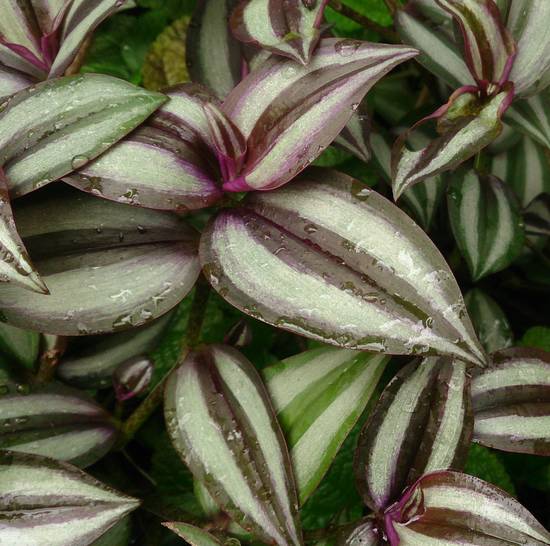
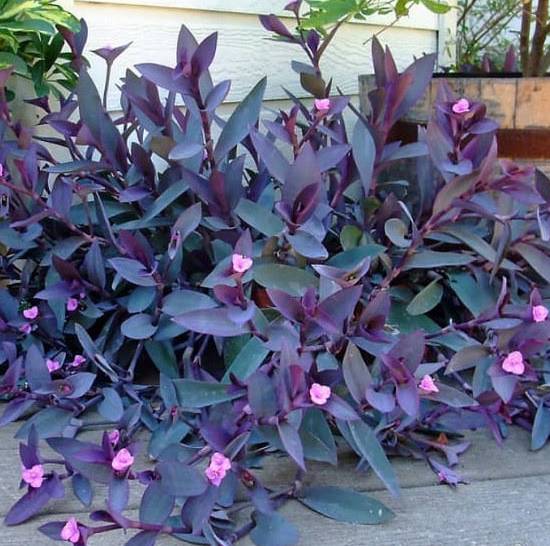
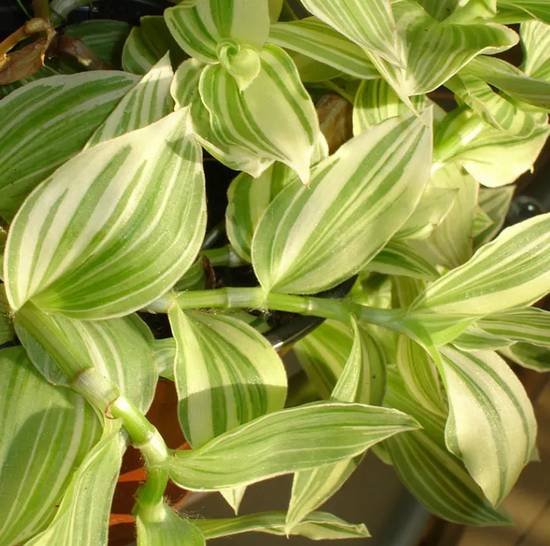
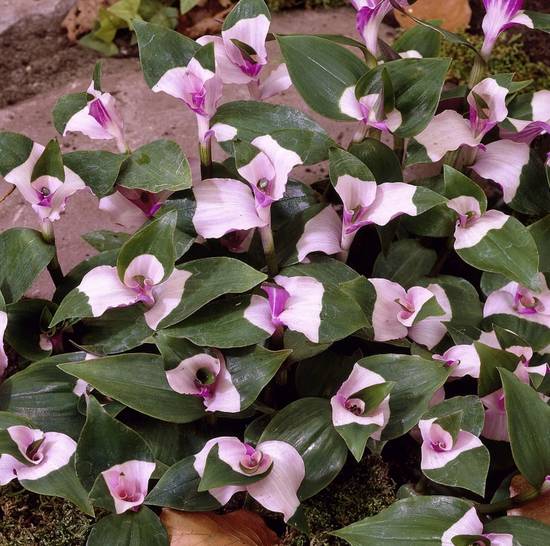
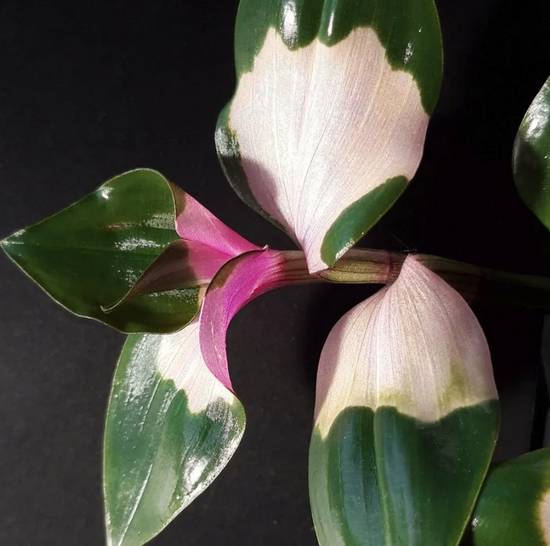
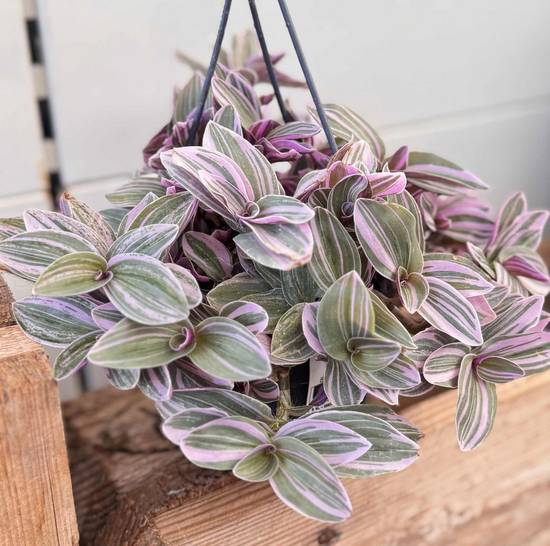
Tradescantia Blushing Bride is a decorative variety of tradescantia, highly appreciated for its bright and contrasting foliage. It stands out with its leaves variegated in light green, cream and soft pink, creating a delicate and refined visual effect. This blend of gentle colors earned it its poetic name “Blushing Bride.”

This creeping or trailing plant is ideal for hanging baskets, planters or as ground cover in mild climates. Its rapid growth and easy adaptability make it a favorite among plant décor enthusiasts. Placed in a bright interior, Tradescantia Blushing Bride brings a touch of freshness and cheerfulness that pairs beautifully with modern or bohemian spaces.

Tradescantia Blushing Bride is also very beginner-friendly. It grows quickly, requires little maintenance and propagates easily from cuttings. Outdoors, it is valued for its ground-covering qualities and constant colorful effect, while indoors it remains a must-have ornamental plant thanks to its beauty and resilience.

In the wild, Tradescantia Blushing Bride grows in bright woodland areas and on rich, well-drained soils. Its habitat explains its ability to tolerate both humid periods and light drought episodes.
Tradescantia Blushing Bride shows its best colors with good light:

🌤️ Bright indirect light: Ideal to preserve its variegated pink foliage.

🌞 Gentle sun: A few hours of morning or late afternoon sun are beneficial.

⚠️ Warning: Too little light fades the pink tones, while harsh sun can yellow and burn the leaves.
Tradescantia Blushing Bride appreciates regular but moderate watering:

🌱 Spring / summer: Water about once a week, keeping the soil slightly moist but never soggy.

🍂 Autumn / winter: Reduce to every 10 to 15 days.

Tip: A mix containing perlite or pozzolana helps prevent excess moisture.
Tradescantia Blushing Bride prefers warm and mild climates:

🌞 Ideal: Between 18 °C and 28 °C.

❄️ Threshold: Sensitive below 10 °C and does not tolerate frost.

🏠 Indoor culture: Thrives in heated apartments, even with dry air.
Soil should be light, fertile and well-draining:

🪨 Recommended substrate: Mix of succulent soil and light compost.

💡 Fertilizer: Apply liquid succulent fertilizer every 2 to 3 weeks to intensify colors and support rapid growth.
The flowering of Tradescantia Blushing Bride is discreet:

🌸 Period: From spring to autumn.

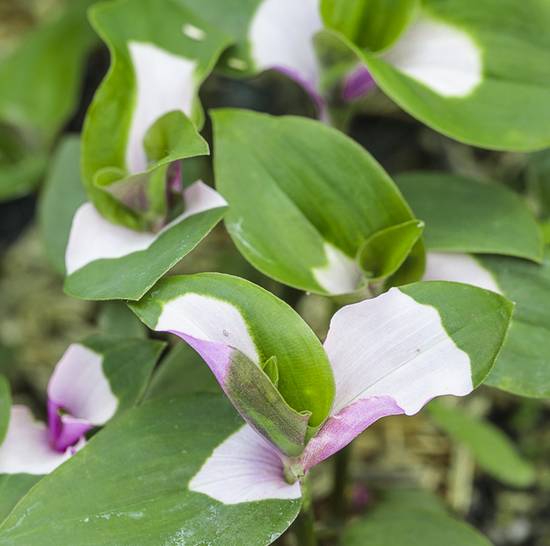
🎨 Color: Small white to pink flowers, simple and short-lived.

🕑 Duration: Each bloom lasts briefly but new ones appear regularly.
FAQ - Tradescantia Blushing Bride

Does Tradescantia Blushing Bride always keep its pink color?
No, the pink shade depends on light. In gentle full sun, it is vibrant, but in shade, the pink fades to green and cream.
Can Tradescantia Blushing Bride be grown outdoors?
Yes, but only in regions with a mild climate. In cold areas, it is better grown in a pot and brought indoors in winter.
Is Tradescantia Blushing Bride easy to propagate?
Yes, a simple stem cutting placed in water or in light substrate quickly takes root.
What is the growth rate of Tradescantia Blushing Bride?
It grows very quickly, especially with regular fertilizer for succulents.
Should Tradescantia Blushing Bride be pruned?
Yes, regular pruning encourages denser growth and prevents the stems from becoming bare.
Is Tradescantia Blushing Bride suitable for hanging baskets?
Absolutely! Its trailing habit and variegated leaves make it a spectacular hanging plant.
Is Tradescantia Blushing Bride toxic?
Like other tradescantias, it may be slightly irritating to the skin and cause digestive reactions if ingested by animals.
What is the lifespan of Tradescantia Blushing Bride?
It can live for several years, but it is often renewed by cuttings to maintain dense and colorful foliage.
Does Tradescantia Blushing Bride tolerate dry indoor air?
Yes, but it also appreciates occasional misting in summer to keep its foliage vibrant.
What are the main risks for Tradescantia Blushing Bride?
The main danger is overwatering, which leads to root rot. It may also attract aphids and mealybugs indoors.