Stephania Erecta
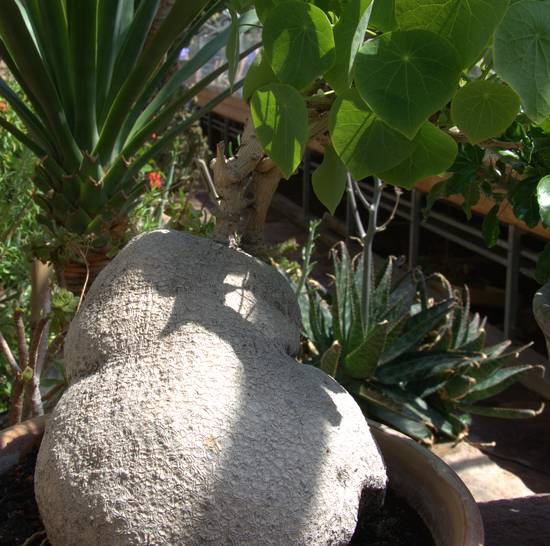
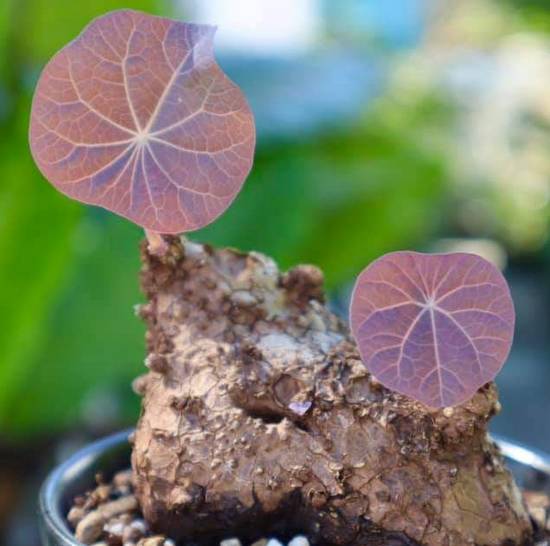
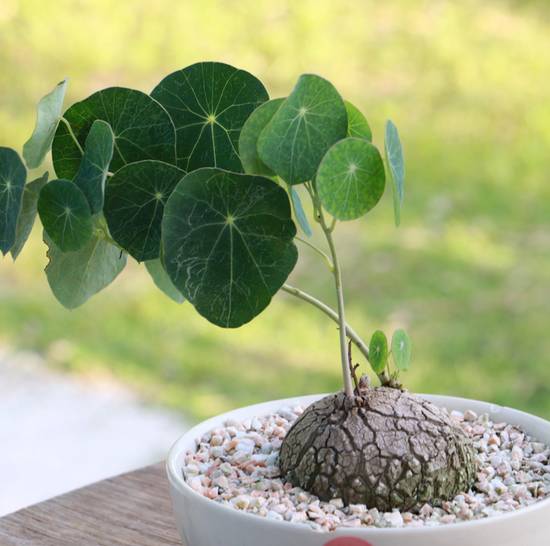
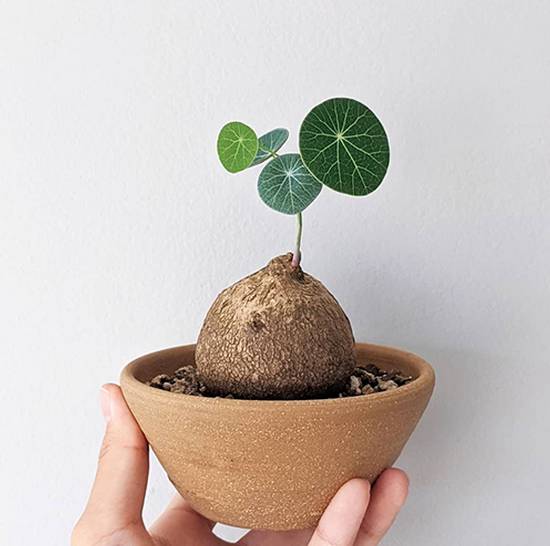
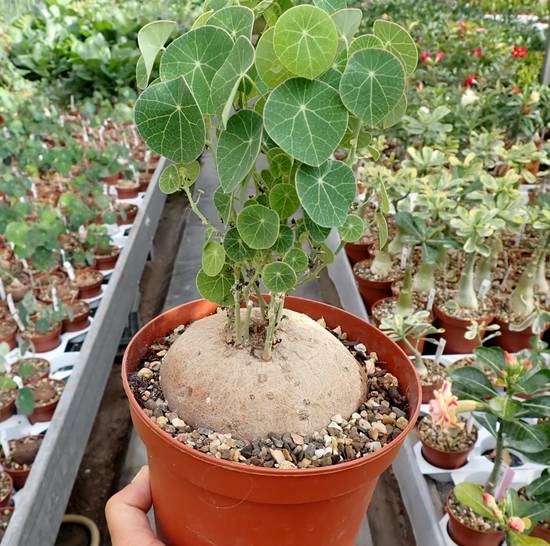
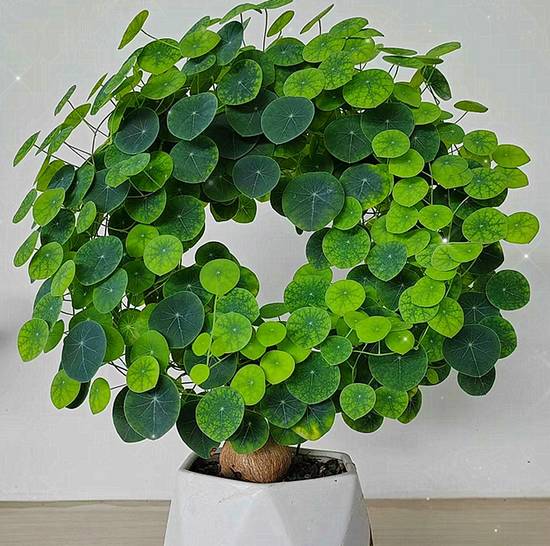
Stephania Erecta is one of the most popular caudiciform plants among rare plant collectors. This Stephania immediately captivates with its spherical, hard and textured caudex, which resembles a living stone or a giant potato. From this remarkable base emerge, in spring, slender elegant stems adorned with round, flat leaves of bright green marked by delicate veins.
This contrast between the massive, immobile trunk and the fine, airy stems gives Stephania Erecta a look that is both graphic and poetic. It is often grown as a decorative houseplant, as it adapts very well to indoor conditions provided it receives enough light and its substrate is well-draining.
Like many caudiciforms, Stephania Erecta follows a precise vegetative cycle: an active growth period in spring and summer, followed by a dormant phase in autumn and winter. During dormancy, it loses its leaves and remains reduced to its caudex, yet retains all the energy needed to restart the following season.
🌤️ Bright indirect light: Perfect for indoor cultivation near a large window.
🌞 Gentle sun: Outdoors, morning sun or partial shade is ideal.
⚠️ Tip: Avoid harsh afternoon sun that could damage its delicate foliage.
🌱 Spring / summer: Water every 1 to 2 weeks once the substrate is dry. Prefer deep but spaced watering.
🍂 Autumn / winter: Almost completely stop watering once it loses its leaves.
⚡ Tip: A substrate enriched with perlite or pozzolana is essential to prevent caudex rot.
🌞 Ideal: Between 22 °C and 30 °C.
❄️ Minimum: Does not tolerate temperatures below 12 °C.
🏠 Tip: In temperate climates, grow exclusively in pots and bring indoors at the first cold temperatures.
🪨 Recommended substrate: Mix of cactus soil, coarse sand and gravel.
💡 Fertilizer: During growth, apply liquid succulent fertilizer every 3 to 4 weeks to promote dense and vigorous foliage.
🌸 Period: Generally in summer.
🎨 Color: Small greenish flowers grouped in clusters.
🕑 Duration: Short-lived but a sign of the plant’s good health.