Stenocereus Pruinosus
An emblematic figure of arid Mexican landscapes, Stenocereus Pruinosus alone embodies the power and majesty of large columnar cacti. Cultivated both for its aesthetics and its edible fruits, it is appreciated by cactus enthusiasts as well as local populations.
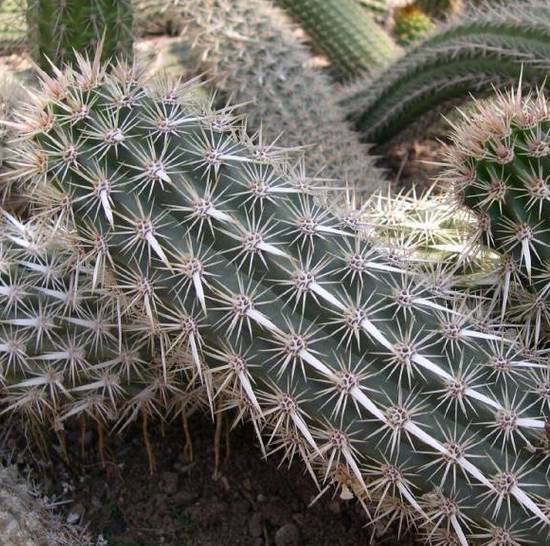
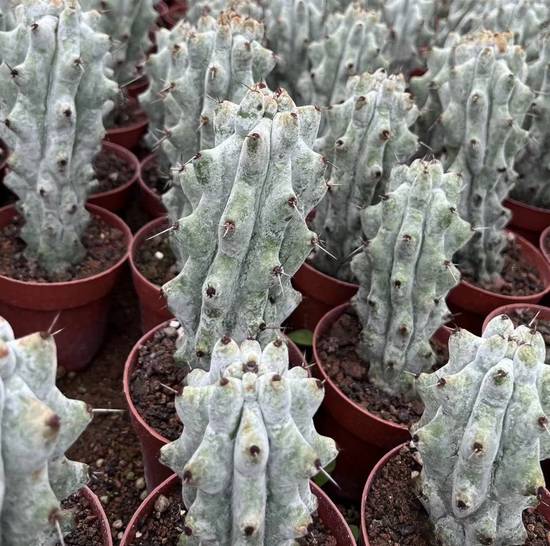
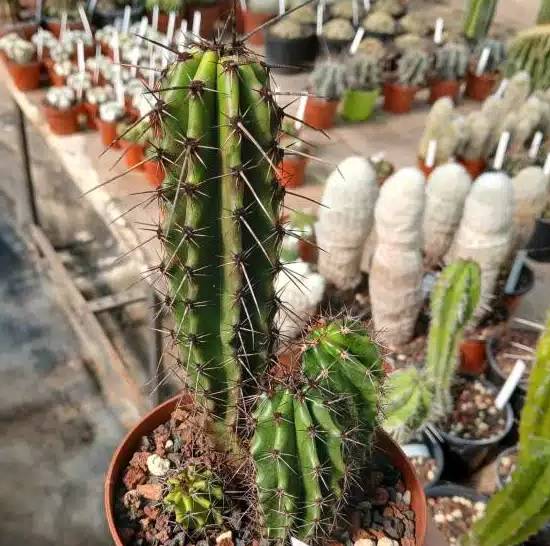
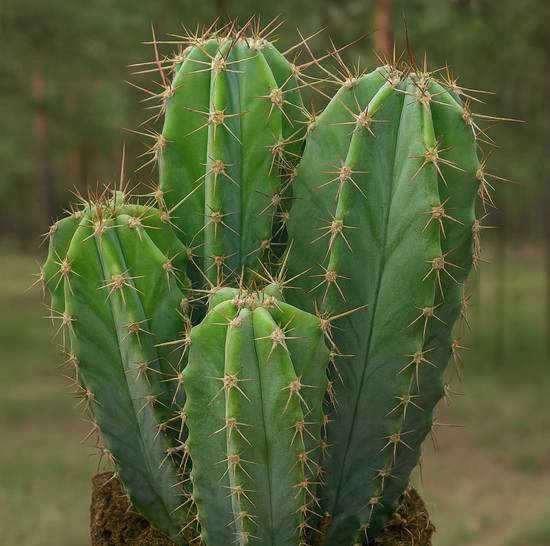
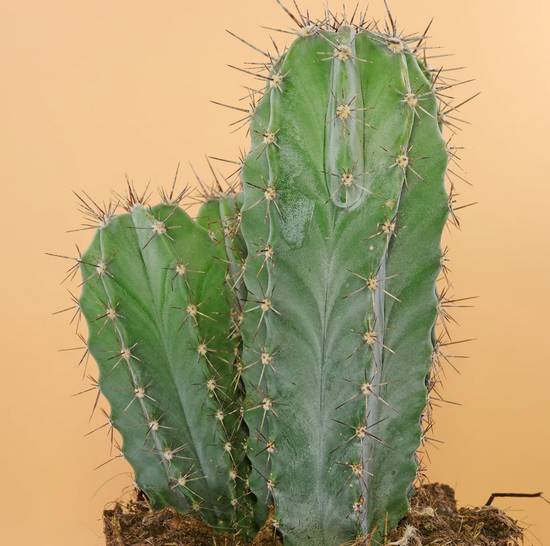
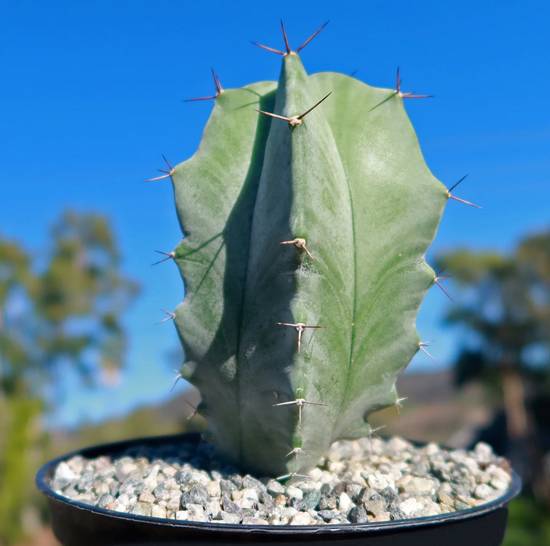
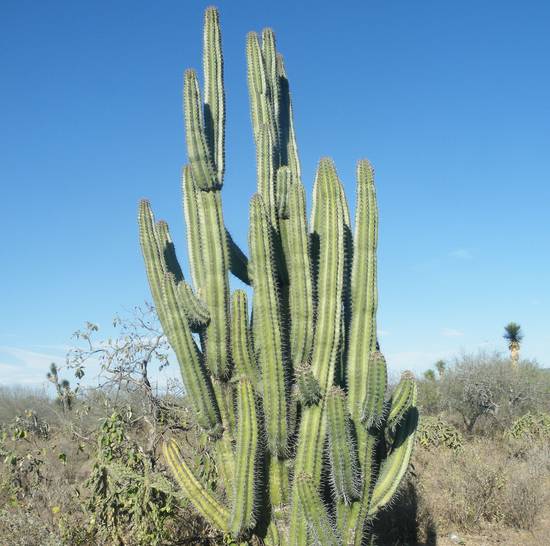
This cactus can reach 5 to 7 meters in height in its natural habitat, forming a robust trunk and branching columns covered with a characteristic bluish-gray pruina. Its areoles bear short but thick spines, often curved, harmoniously arranged along well-defined ribs.
Beyond its spectacular appearance, Stenocereus Pruinosus is also a “useful” cactus: in its native country, it is cultivated for its fruits called pitayas, which are sweet and flavorful. It is therefore an ornamental plant that is both decorative and productive, highly resistant to drought, perfectly suited to cultivation in warm climates or greenhouses.
🌞 Full sun: 6 to 8 hours of direct light daily are required for proper growth.
🌤️ Gentle transition: After winter rest or indoor purchase, gradually reintroduce it to full sun to avoid burns.
💡 Insufficient exposure reduces its bluish hue and slows growth.
💧 Warm period: Water every 2 to 3 weeks when the substrate is completely dry.
🍂 Cold period: No watering if temperature drops below 10°C. In heated greenhouse or veranda, water lightly once a month.
⚠️ Never water a cactus during dormancy at low temperature.
🌡️ Ideal temperature: between 20 and 35°C.
❄️ Minimum temperature: down to -2°C if dry, but it is preferable not to go below 5°C.
🏠 Container growing: Bring it indoors once nights drop below 8°C.
🪨 Ideal composition: cactus soil (40%) + perlite (30%) + pozzolana (30%)
Use a deep, stable pot, especially for large specimens.
🌸 Flowering: Summer, nocturnal greenish-white to cream flowers.
🍈 Fruiting: Pitayas are pink to red, sweet, and can be eaten fresh.
💡 In cultivation, flowering is rare without optimal conditions, but possible on well-exposed mature specimens.