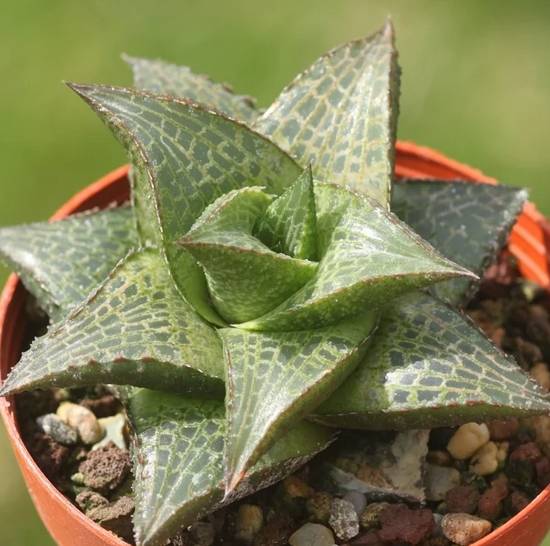
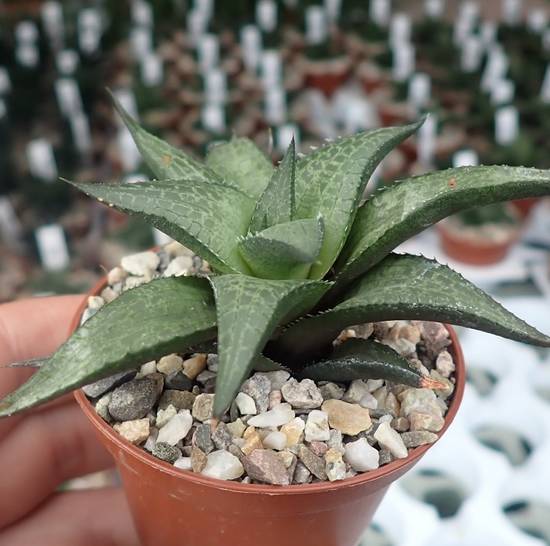
Haworthia Venosa
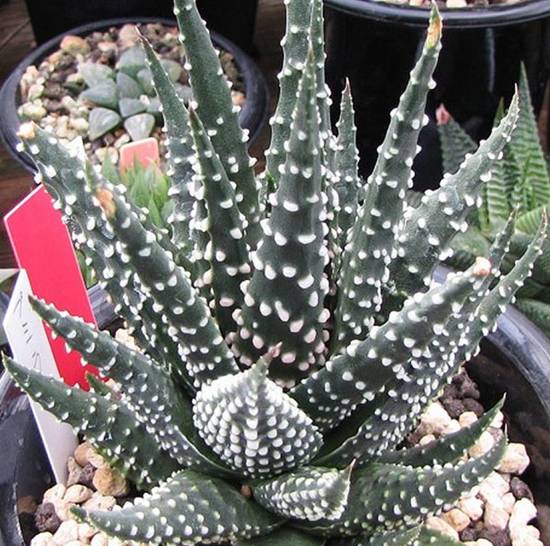
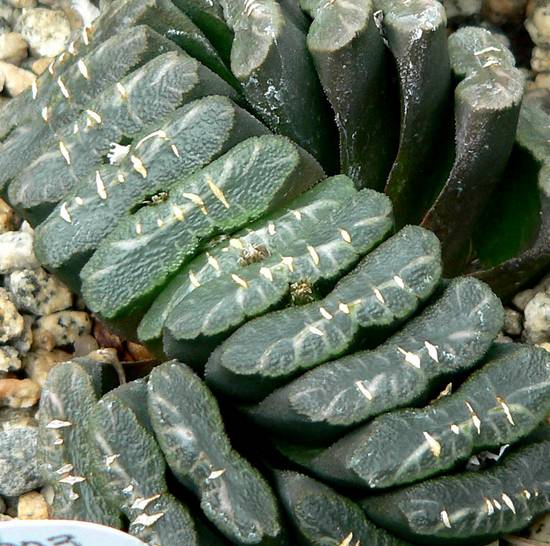
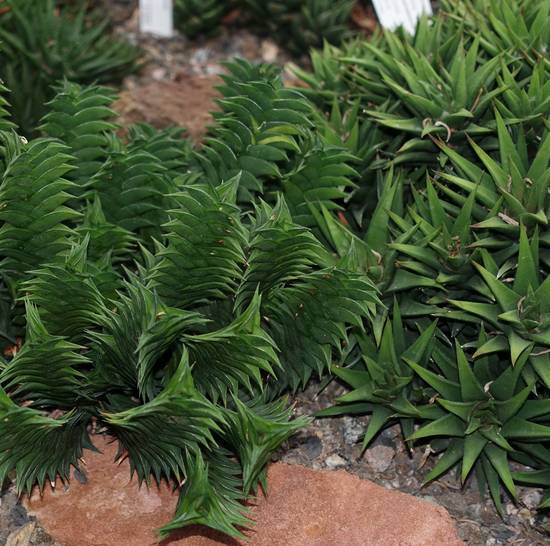
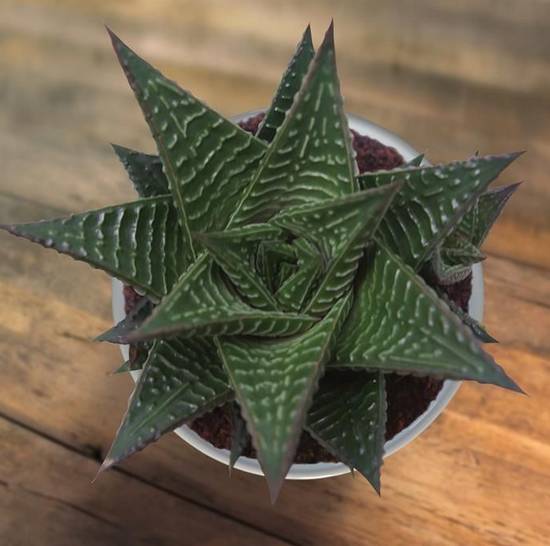
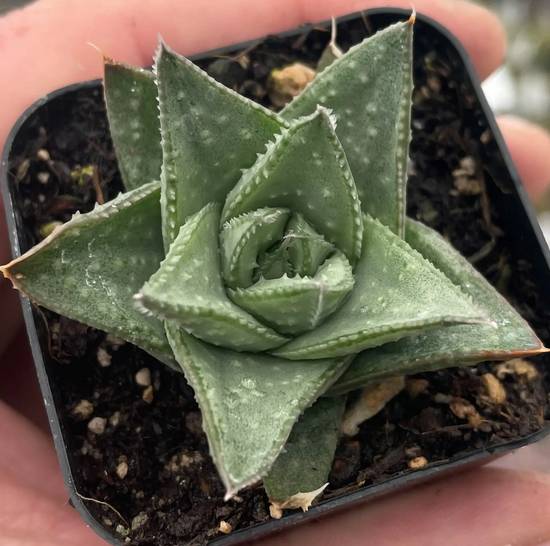
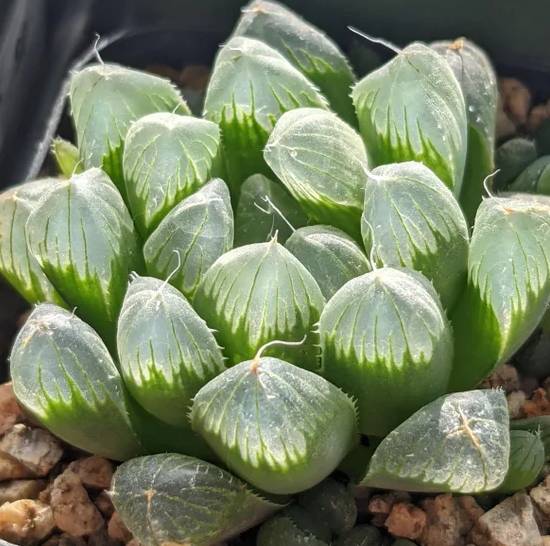
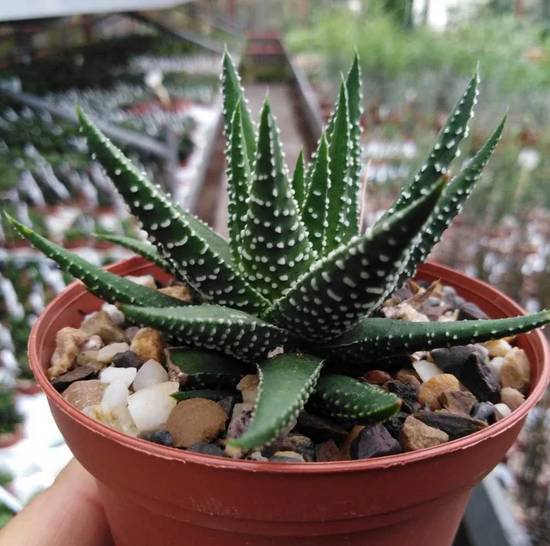
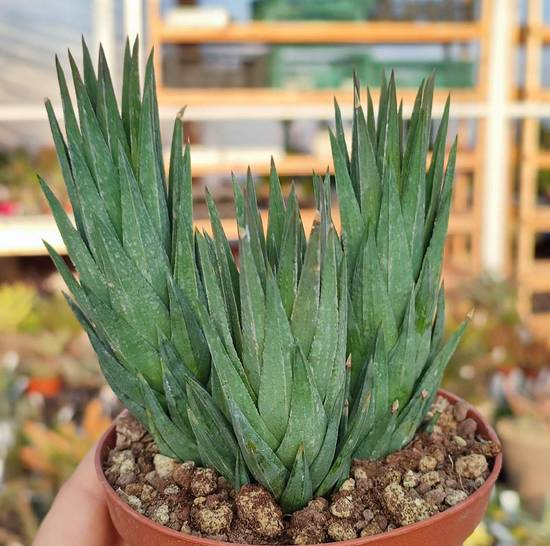
Haworthia Venosa is an elegant and fascinating succulent that appeals to collectors as well as beginners. It forms lovely low rosettes with fleshy, thick, triangular leaves, often dark green and marked with veined patterns that echo its name. These decorative veins, lighter or darker depending on exposure, give the plant a refined and graphic appearance.
Modest in size, Haworthia Venosa rarely exceeds 10 to 12 cm in height, making it ideal for pot culture, open terrariums, or combinations with other succulents. It grows slowly, but its longevity and resilience make it a long-lasting plant companion.
Highly appreciated for its adaptability, it tolerates indoor cultivation very well, unlike many succulents that require strong sunlight. Its veined leaves become more contrasted in bright light, but it retains its charm even in moderate light.
🌤️ Indirect light: It thrives best away from harsh sun, in a bright but filtered location.
🌞 Gentle sun: A few hours of morning sun are beneficial, but avoid intense afternoon exposure.
⚠️ Tip: Too much shade causes leaf elongation, while strong sun can brown the leaves.
🌱 Growing period (spring and summer): Water every 2 to 3 weeks, allowing soil to dry between waterings.
🍂 Rest period (autumn and winter): Reduce watering to about once a month.
⚡ Tip: Use a mix enriched with perlite or pozzolana for optimal drainage.
🌞 Ideal: Between 18 °C and 26 °C.
❄️ Minimum: Can tolerate occasional temperatures of 5 °C but is not frost hardy.
🏠 Indoor culture: Perfect for apartments, tolerating moderate temperature variations.
🪨 Recommended substrate: Mix of cactus soil, coarse sand and perlite.
💡 Fertilizer: Monthly application of liquid succulent fertilizer in spring and summer supports growth.
🌸 Period: Spring or early summer.
🎨 Color: Small white to greenish flowers carried on slender stalks.
🕑 Duration: Only a few days, but it can bloom regularly each year when well established.