
Echinofossulocactus

Echinofossulocactus
Echinofossulocactus
Echinofossulocactus
Echinofossulocactus

Echinofossulocactus

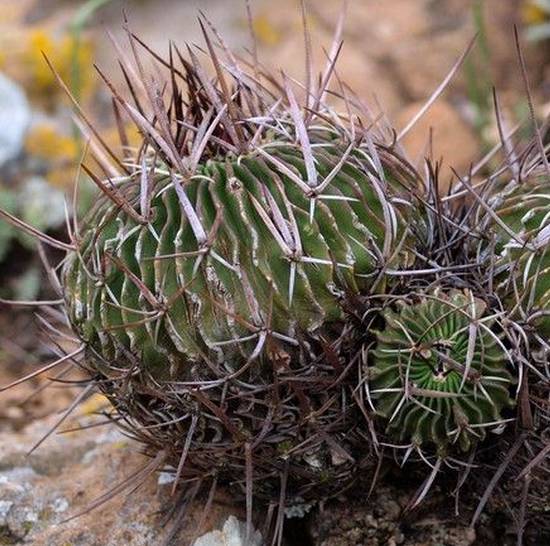
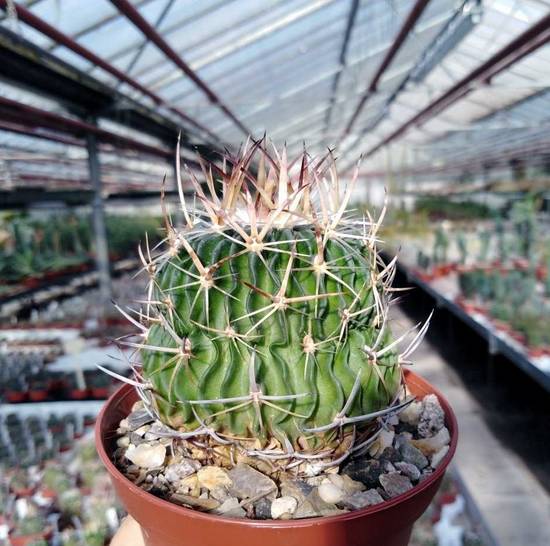
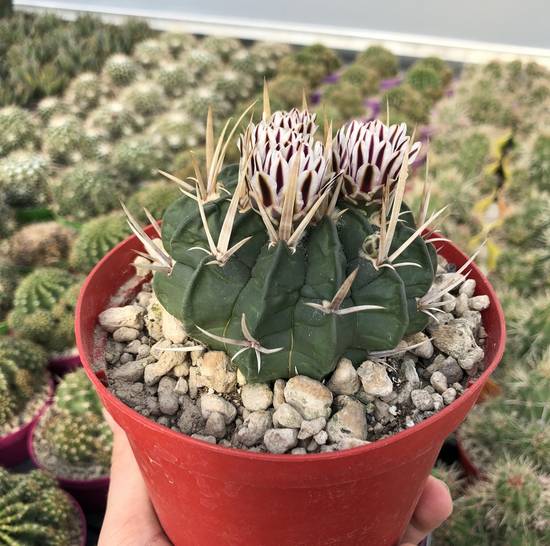
The Echinofossulocactus, now more commonly called Stenocactus, is a true botanical curiosity. This globular cactus fascinates enthusiasts with its countless fine, wavy ribs that earn it the nickname “lace cactus”. Its compact size and graphic aesthetics make it a highly sought-after plant in collections, both for beginners and experienced collectors.

Its spherical or slightly cylindrical body rarely exceeds 10 cm in diameter, but it is crossed by around forty sinuous ribs that create captivating patterns on the surface of the plant. It is generally matte green to olive green, sometimes powdery, with areoles bearing small brown to grayish spines.

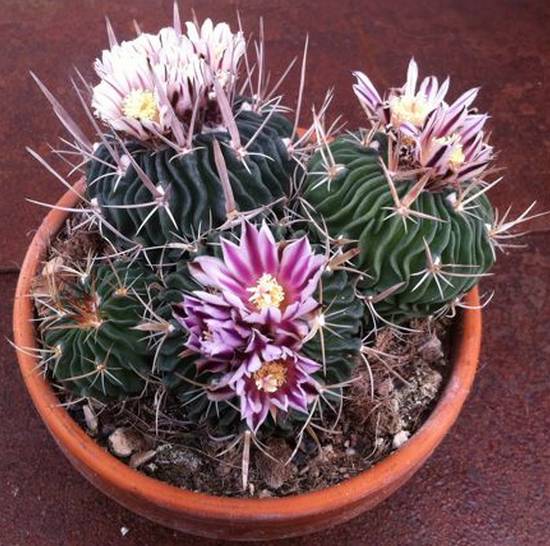
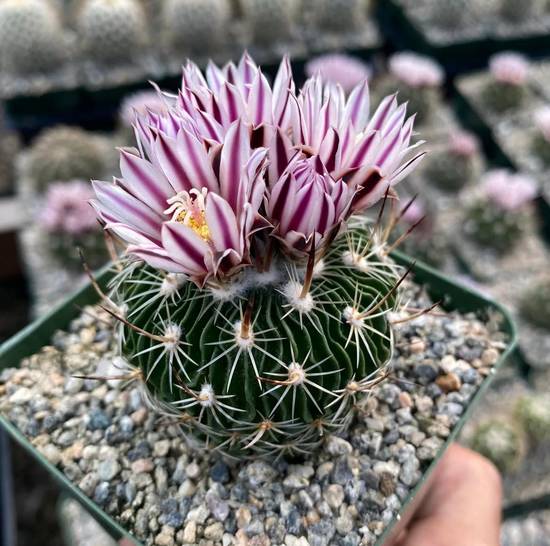
The flowering is particularly elegant, with small funnel-shaped flowers, white, pink, or purple, often veined at the center. They appear at the top of the cactus and delicately contrast with the wavy texture of the body.

The Echinofossulocactus is native to Mexico, where it grows in the wild in semi-desert areas of states such as San Luis Potosí, Hidalgo, or Querétaro. It thrives on rocky terrain, exposed to intense sunlight and well-drained soils.
☀️ Sun exposure: 5 to 6 hours of direct sunlight per day

🌤️ In summer: possible protection from scorching sun behind glass

💡 Bright light: indoors, place it near a south- or west-facing window
🌱 Growth period (spring to summer): water every 2 to 3 weeks, when the substrate is completely dry

🍂 Dormant period (autumn / winter): space out or completely stop watering

⚠️ Beware of excess water: the roots are sensitive to rot. Favor bottom watering and a well-draining substrate.
🌡️ Ideal temperature: between 20°C and 30°C

❄️ Minimum resistance: tolerates 5°C occasionally, if dry

🏠 Indoor cultivation: wintering recommended as soon as temperatures drop below 10°C
The Echinofossulocactus must be grown in a very well-draining substrate:

🪨 Ideal preparation: 50% cactus potting soil + 25% pumice stone + 25% pozzolana
📅 Period: from spring to early summer

🎨 Color: white, pink, mauve, often striped

💡 Tip: a cool and dry period in winter stimulates flowering
FAQ - Echinofossulocactus

What substrate for an Echinofossulocactus?
Use a draining mix of cactus potting soil, pumice, and pozzolana.
How to recognize excess moisture in Echinofossulocactus?
The cactus becomes soft, turns yellow, or blackens at the base. This indicates excess water. Reduce watering.
How do I know if my Echinofossulocactus needs water?
The plant wrinkles and the ribs slightly collapse. Water once the substrate is completely dry.
When does Echinofossulocactus bloom?
It blooms in spring if you respect a dry and cool winter. The flowers are small but colorful.
Can it be grown indoors?
Yes, provided it is placed in full light and stagnant moisture is avoided.
Should Echinofossulocactus be fertilized?
Yes, use a cactus fertilizer every 3 to 4 weeks during the growing season.
What exposure for an Echinofossulocactus?
Direct sun 4 to 6 hours per day. In summer, avoid excessive heat behind glass.
Is it hardy?
It tolerates dry cold down to 5°C but does not tolerate wet frost.
How often should it be repotted?
Every 2–3 years, in spring, to renew the substrate and stimulate growth.
How large does an adult Echinofossulocactus grow?
Generally between 7 and 10 cm in diameter, sometimes more in advanced cultivation.

Other Echinofossulocactus