Cereus Peruvianus

Cereus Peruvianus
Cereus Peruvianus
Cereus Peruvianus

Cereus Peruvianus

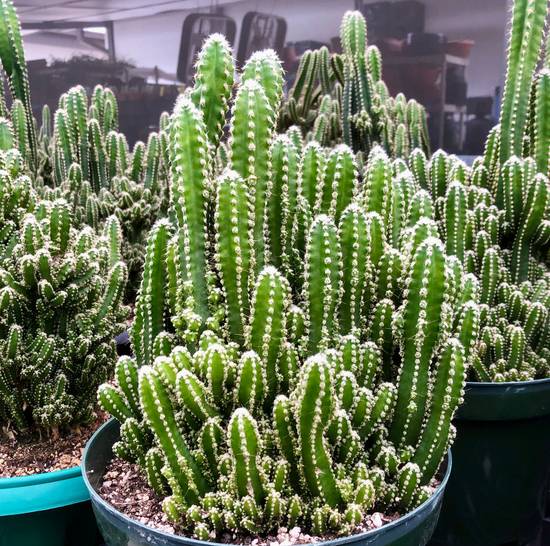
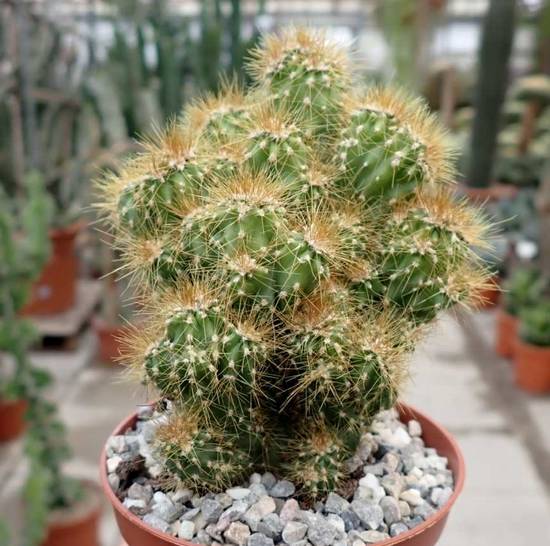
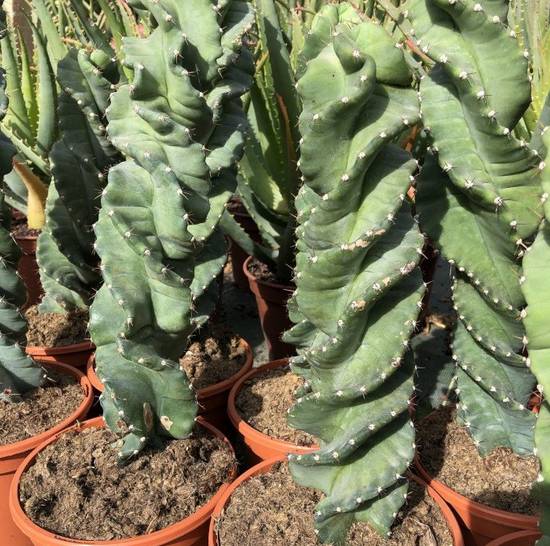
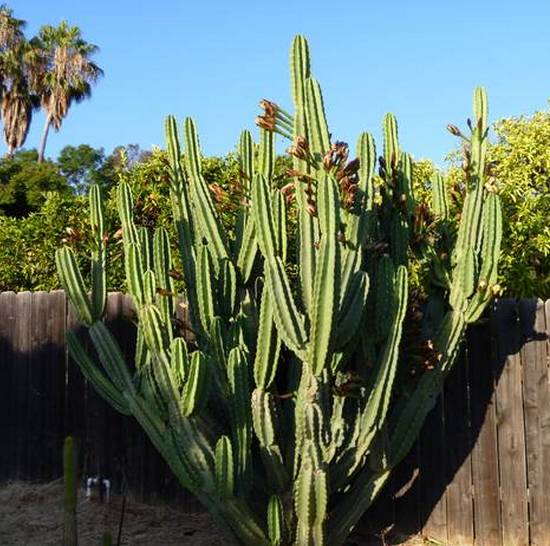
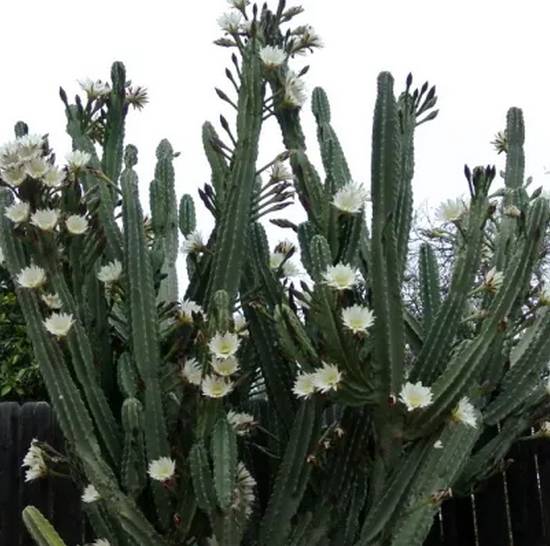
The Cereus Peruvianus, also known as the "candelabra cactus", is one of the most iconic columnar cacti of South America. Its upright growth, thick columnar stems and fast development make it both decorative and spectacular. Over time, it can become monumental, reaching several meters in height under the right conditions.

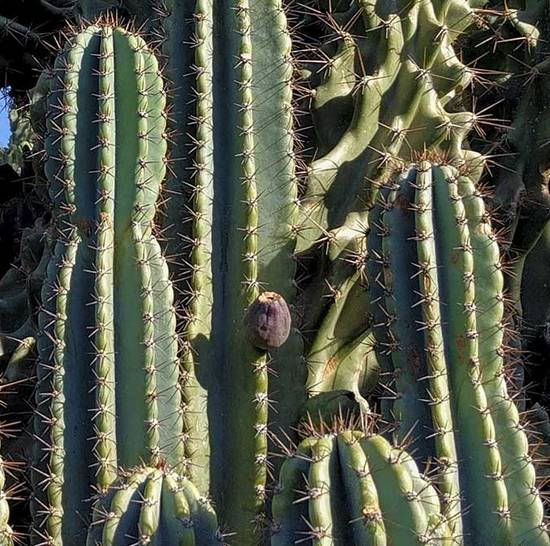
Its cylindrical body is marked by pronounced ribs, adorned with small white areoles bearing short but dense spines. Its color ranges from bluish green to dark green, sometimes covered with a fine bloom giving it a slightly silvery appearance.

Thanks to its architectural silhouette and robustness, the Cereus Peruvianus is used both outdoors in warm climates and in pots for winter gardens or bright balconies. It adapts surprisingly well to indoor cultivation, provided it receives abundant light.

The Cereus Peruvianus is native to South America, particularly Brazil, Paraguay and northern Argentina. Despite its name, it is not native to Peru; the historical name has simply persisted.
To thrive, this cactus needs plenty of light:

🌞 Full sun: 6 to 8 hours of direct sunlight per day are ideal outdoors.

🌤️ Indoors: Place it near a well-exposed window.

⚠️ Gradual acclimation: Avoid sudden exposure to full sun after winter to prevent sunburn.
The Cereus Peruvianus follows a classic cactus watering cycle:

💦 Growing season (spring–summer): Water every 2 to 3 weeks, only when the substrate is fully dry.

❄️ Rest period (autumn–winter): Reduce or completely stop watering.
Robust and heat-tolerant:

🌡️ Ideal range: Between 20 and 35°C.

❄️ Cold tolerance: Can briefly tolerate 2 to 5°C if the soil is dry. Never expose to frost.

🏠 Winter: Shelter in a cold greenhouse or unheated conservatory in cold regions.
An airy, well-draining substrate is essential:

🪴 Recommended mix: 50% cactus soil + 30% perlite + 20% coarse sand or pumice.
The flowering of the Cereus Peruvianus is as spectacular as it is rare:

🌼 Flowers: Large, white, tubular and highly fragrant, opening at night.

📅 Period: Summer, on mature plants only.
FAQ - Cereus Peruvianus

What type of light is suitable for Cereus Peruvianus?
Cereus Peruvianus enjoys full sun. It should receive 6 to 8 hours of direct light per day to develop properly. Indoors, place it near a south-facing window.
How often should I water Cereus Peruvianus?
During the growing season, water every 2 to 3 weeks, making sure the substrate is completely dry. In winter, greatly reduce watering or stop it completely.
Can Cereus Peruvianus tolerate cold?
It briefly tolerates temperatures around 2 to 5°C if the substrate is dry. However, it does not tolerate frost. Bring it indoors in winter if you live in a risky region.
How should I fertilize Cereus Peruvianus?
Use a liquid cactus fertilizer in spring and summer, every 4 weeks. Do not fertilize in winter.
Can this cactus be grown indoors?
Yes, if it receives enough light. It should be placed in a very bright room, ideally in front of a bay window or with supplemental artificial lighting.
How fast does Cereus Peruvianus grow?
It is one of the relatively fast-growing columnar cacti. It can grow 20 to 30 cm per year under optimal conditions.
Can Cereus Peruvianus bloom in a pot?
Yes, but only on mature and well-established specimens. The large white flowers appear in summer, mainly at night.
What pot should I use for a Cereus Peruvianus?
Choose a deep and stable pot with good drainage capacity. A suitable cactus substrate is essential.
Can this cactus be planted in the ground?
Yes, in frost-free regions. It will reach its maximum size there and can become a superb architectural feature in a dry garden.
Is Cereus Peruvianus toxic?
No, this cactus is not toxic. It is safe for animals and humans, but its spines can be sharp, so be careful!