
Stetsonia Coryne

Stetsonia Coryne
Stetsonia Coryne
Stetsonia Coryne
Stetsonia Coryne

Stetsonia Coryne

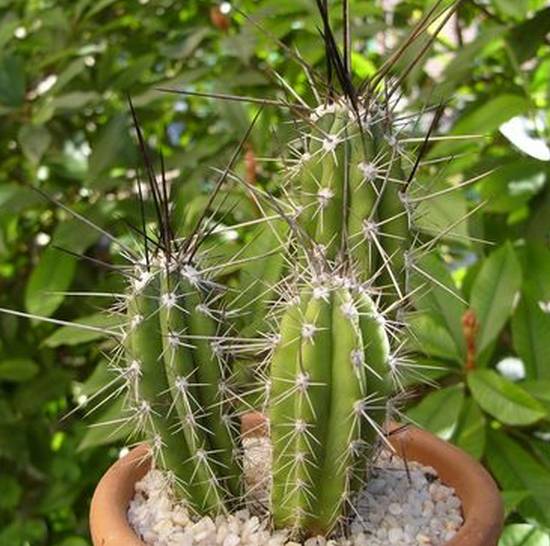
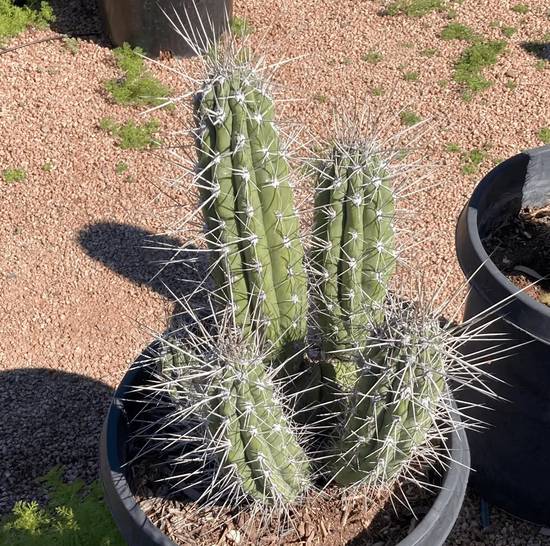
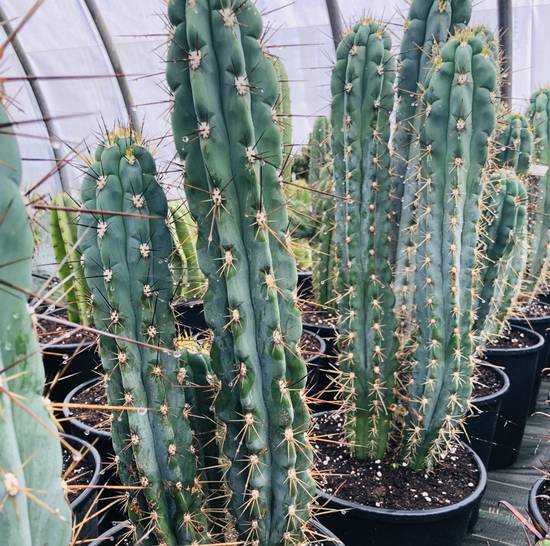
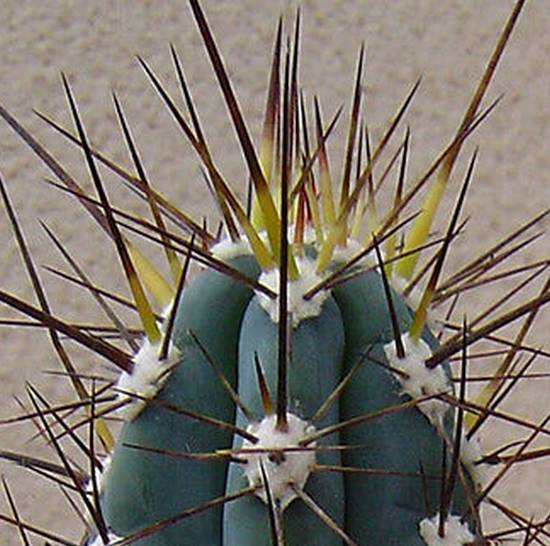
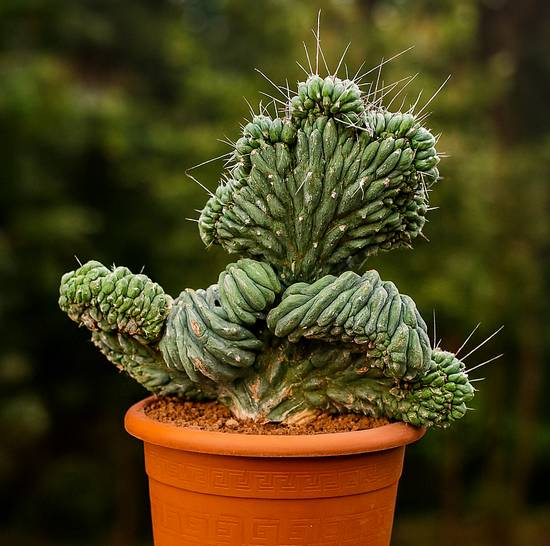
The Stetsonia Coryne is a monumental cactus with a majestic habit and an impressive appearance. Sometimes nicknamed the “candelabra cactus” or “rake cactus”, it is distinguished by its thick, upright stems divided into deep ribs and armed with robust, long, black spines.

It can reach up to 8 to 10 meters in height in its natural habitat, although its growth in pots remains more modest. Its imposing silhouette evokes the arid landscapes of South America, where it stands proudly alongside columnar cacti such as Cereus or Pilosocereus.

Its name “Coryne”, meaning “club” in ancient Greek, refers to the massive shape of its stems. This cactus is particularly appreciated for its longevity, hardiness, and incredible decorative impact, both outdoors (dry climates) and indoors in bright conditions.

The Stetsonia Coryne is native to northern Argentina, Bolivia, and Paraguay. It is found in semi-desert areas, notably inter-Andean valleys and dry plains.

In its natural environment, it grows on rocky or sandy soils, exposed to extreme temperatures and prolonged drought periods. It is one of the giants of South American arid zones, often surrounded by shrubs or grasses.
The Stetsonia Coryne is a truly heliophilic cactus. It needs intense direct light to thrive:

🌞 Recommended exposure: full sun at least 6 to 8 h per day

🌤️ Indoors: favor a well-exposed bay window or veranda

A lack of light can slow its growth and cause stem deformation, making them soft and pale.
Like all columnar cacti, the Stetsonia Coryne prefers dryness to humidity:

🌱 Growing period (spring / summer): watering every 15 to 20 days, allowing the substrate to dry completely between applications

🍂 Winter: complete cessation of watering if the plant is kept cool

⚠️ Excess watering is the leading cause of mortality. If the base becomes soft, it is often a sign of root rot.
The Stetsonia Coryne tolerates high heat but fears cold humidity:

🌡️ Ideal temperature: between 25°C and 35°C in summer

❄️ Cold tolerance: down to -5°C in dry substrate, but preferably not below 0°C

🏠 Pot cultivation: overwinter in a bright place between 5 and 10°C
To successfully grow Stetsonia, the choice of substrate is crucial:

🪨 Recommended substrate: 40% pumice + 30% pozzolana + 30% cactus potting soil

The substrate must be very well-draining, light, and aerated to avoid root suffocation.
The flowering of the Stetsonia Coryne is as discreet as it is fascinating:

🌸 Season: late spring to summer

🎨 Color: pure white, sometimes slightly pinkish

🕑 Duration: each flower lasts 1 to 2 days

🌙 Particularity: flowers are nocturnal and very fragrant

The flowers appear on mature stems, and only if the plant has received a proper winter rest.
FAQ - Stetsonia Coryne

How to recognize excess moisture in a Stetsonia Coryne?
When this cactus receives too much water, its stems may become soft at the base, slightly translucent or brownish. Areas of rot appear quickly, especially if the substrate remains wet too long.
How to detect lack of water in Stetsonia Coryne?
A Stetsonia lacking water will show ribs that are more hollow than usual, a wrinkled appearance or loss of stem rigidity. However, it is better to underwater than to overwater.
Is Stetsonia Coryne dangerous to handle?
Yes, its long black spines are particularly hard and sharp. It is strongly recommended to wear thick gloves and use a folded cloth to handle it safely.
Can Stetsonia Coryne live indoors?
Yes, provided it is placed in a very bright location, near a south-facing bay window or in a veranda. It needs direct light to maintain its upright shape and vivid color.
What type of fertilizer is recommended for Stetsonia Coryne?
Use a special liquid cactus fertilizer low in nitrogen. Apply it once a month during spring and summer to promote healthy and regular growth.
How often should Stetsonia Coryne be repotted?
Every 3 to 5 years in general. This cactus grows slowly but may eventually outgrow its pot. Repotting also allows renewal of the substrate to ensure good drainage.
Is Stetsonia Coryne suitable for dry gardens?
Perfectly. In the ground, in warm and dry areas, it becomes a structural element of a xerophilous garden. It tolerates long periods without rain very well.
Can Stetsonia Coryne flower in a pot?
Yes, but rarely. It must reach a certain maturity and have benefited from a proper dry winter rest. Its nocturnal flowers are white and fragrant.
Can it be propagated by cuttings?
It is technically possible to propagate it by stem cuttings, but this remains delicate due to its woody segments. The seed method is more reliable although slow.
What is the ideal substrate for Stetsonia Coryne?
A very well-draining mix with a base of pumice, pozzolana and cactus soil in equal parts. This substrate prevents any risk of water stagnation.

Other Stetsonias