
Neoporteria Nidus Senilis

Neoporteria Nidus Senilis

Neoporteria Nidus Senilis

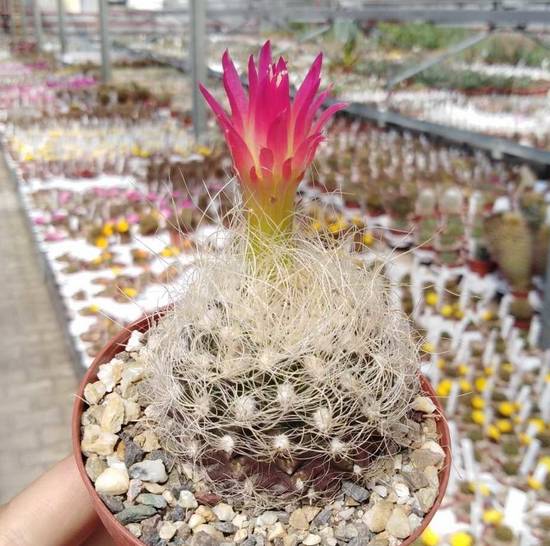
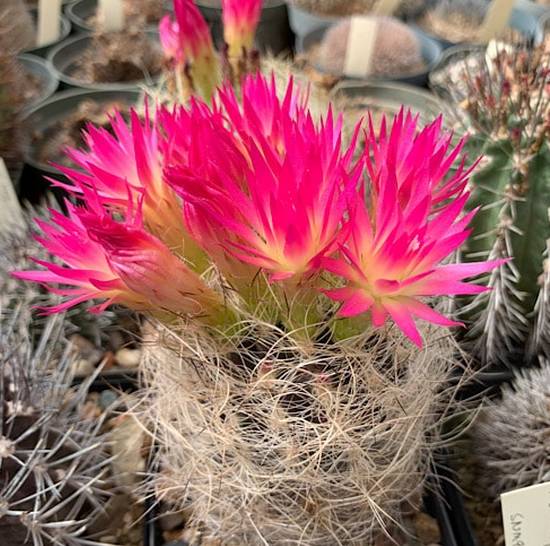
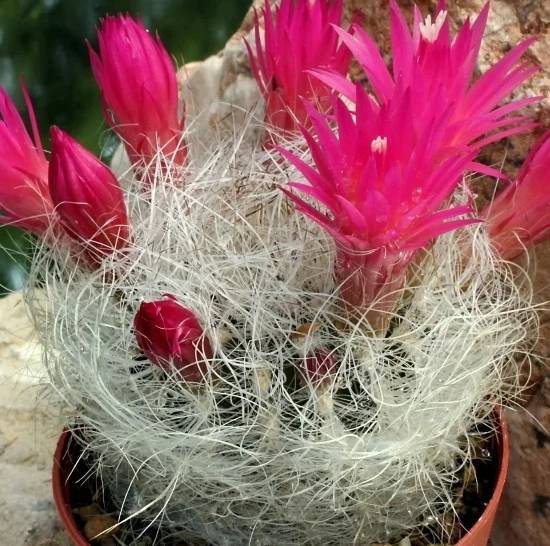
The Neoporteria Nidus Senilis is a compact collector’s cactus admired for its globular to short cylindrical body covered with fine whitish spines forming a silvery down. This delicate mesh reveals a green to grey-green epidermis, sometimes slightly glaucous depending on light. The tight areoles carry star-shaped radial spines, occasionally with one or two slightly longer central ones, giving Neoporteria Nidus Senilis an “aged” appearance despite its modest size. In pots, it remains solitary for a long time before sometimes forming small dense clumps.

With abundant light and controlled watering, Neoporteria Nidus Senilis stays compact with dense, well-colored spines. Its longevity depends on the rhythm “thorough watering then complete drying.”

Native to arid coastal areas of Chile, Neoporteria Nidus Senilis grows on rocky slopes and gravel soils with rapid drainage, brief rains, strong light and cooler nights.
To remain compact and enhance its spination, Neoporteria Nidus Senilis needs strong but balanced light.

🌞 Ideal: gentle morning sun (3–5 h) + strong brightness afterward; acclimate after winter.

🏠 Indoors: very bright south/east window or grow lights; rotate the pot weekly.
Adapted to rare rainfall, Neoporteria Nidus Senilis prefers thorough but spaced watering on fully dry mix.

🌱 Spring/Summer: every 10–14 days depending on heat and pot size.

🍂 Autumn/Winter: almost dry in cool bright conditions; gradual restart in spring.
Built for bright warmth, Neoporteria Nidus Senilis tolerates brief drops if dry.

🌡️ Ideal: 18–28 °C in growth with good ventilation.

❄️ Minimum: 0–5 °C dry; avoid prolonged frost especially in wet substrate.
To mimic its native screes, Neoporteria Nidus Senilis requires a very draining and airy mix.

🪨 Base: cactus soil heavily amended with minerals (sand/gravel) + mineral top dressing.
When the cycle is respected, Neoporteria Nidus Senilis produces elegant diurnal blooms at the apex.

🌸 Period: late winter to spring, sometimes summer repeat.

🎨 Colors: pink to red with lighter throat.

🕑 Keys: generous light, dry winter rest, very moderate feeding.

FAQ - Neoporteria Nidus Senilis

How to acclimate Neoporteria Nidus Senilis after purchase?
Increase light gradually over two weeks, water cautiously, then feed with a low-nitrogen liquid cactus fertilizer during the active season.
What signs show that Neoporteria Nidus Senilis needs water?
Less tense spines and slight wrinkling; water thoroughly then let dry. A well-draining cactus substrate prevents stagnation.
What size does Neoporteria Nidus Senilis reach in a pot?
Generally 8–12 cm tall and 6–10 cm wide; prefer terracotta and a layer of drainage granules at the bottom of the pot.
Why should Neoporteria Nidus Senilis be overwintered in cool conditions?
A bright and dry winter rest (8–12 °C) promotes flowering; resume in spring with half-dose cactus fertilizer.
Can Neoporteria Nidus Senilis tolerate LED lighting?
Yes, 10–12 hours per day with ventilation; use an airy cactus potting soil to dry quickly between waterings.
Which pests should be monitored on Neoporteria Nidus Senilis?
Mainly mealybugs; give lukewarm showers, ensure ventilation and apply a very diluted succulent fertilizer after cleaning.
How often should an adult Neoporteria Nidus Senilis be repotted?
About every 24 months, just before growth resumes; water 5–7 days after repotting and restart with a low-dose liquid cactus fertilizer.
Can Neoporteria Nidus Senilis be grown in a bowl with other species?
Yes, by harmonizing watering needs and using a well-draining cactus and succulent substrate.
How to preserve the white spination of Neoporteria Nidus Senilis?
Provide strong light and spaced watering; limit nitrogen. A mineral mulch keeps the crown clean and dry.
Seeds or offsets: which method for Neoporteria Nidus Senilis?
Seeds for diversity, offsets to clone; after callusing, plant in a draining mix and water very sparingly. A light cactus fertilizer after rooting is sufficient.