
Epithelantha micromeris

Epithelantha micromeris

Epithelantha micromeris

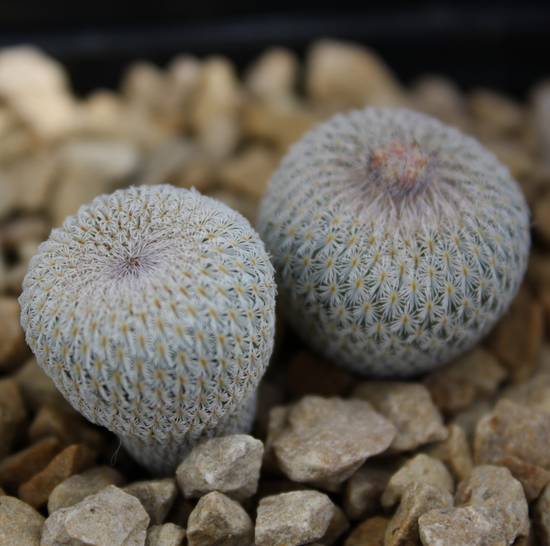
The Epithelantha Micromeris, often nicknamed the “button cactus” or “pearl cactus”, is one of the smallest cacti in the world, but also one of the most fascinating. This tiny jewel is highly prized by collectors for its compact size, perfectly globular shape, and surface densely covered with minute white, almost silky spines, giving it the appearance of a silvery pebble.

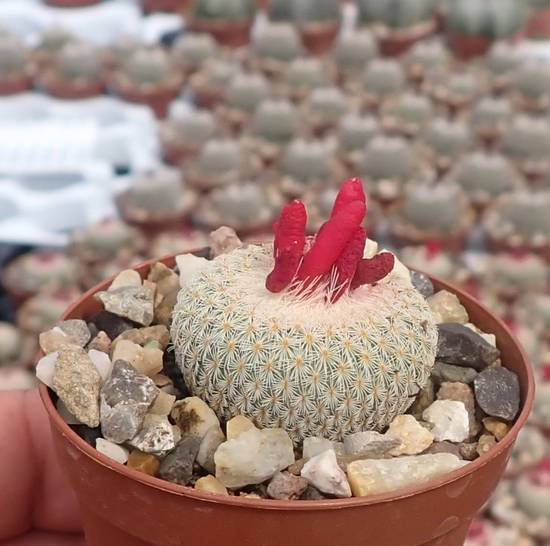
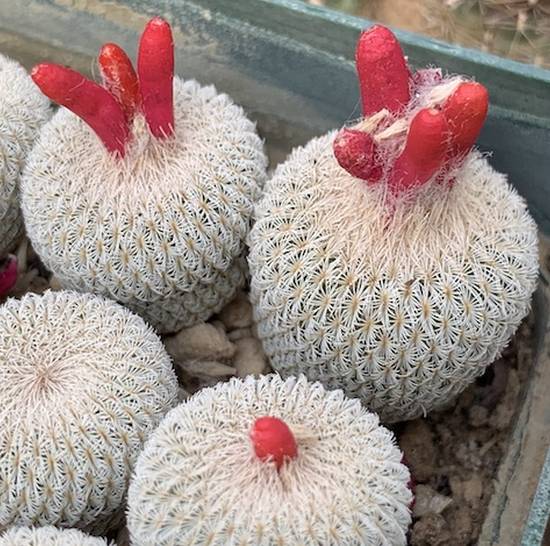
This cactus usually does not exceed 3 to 4 cm in diameter at maturity, making it a champion of botanical minimalism. Despite its small size, it can produce delicate pale pink flowers, followed by bright red fruits that emerge from the apex, like a jewel nestled in white wool.

Its neat appearance and slow growth make it an ideal plant for lovers of miniature cacti or for cultivation in small container arrangements.

This cactus is native to northern Mexico and Texas, in desert and mountainous regions. It often grows in the shade of rocks, where it receives filtered light and very low humidity.

Its adaptation to extreme conditions gives it excellent drought resistance, but it is very sensitive to stagnant moisture.
Although Epithelantha micromeris appreciates light, its exposure must be carefully managed.

🌞 Filtered light: Place it in a bright location, but avoid intense direct sun, especially during the hottest hours.

🌤️ Light partial shade: Perfectly suitable behind a large window or under light shade, such as in a greenhouse.

⚠️ Warning: Excessive direct sun can burn its fine and fragile spines.
Like all species adapted to arid environments, watering must be minimal.

💧 Spring–summer: Once every 3 weeks or less, making sure the substrate dries completely between waterings.

❄️ Autumn–winter: No watering required during dormancy.

💡 Tip: Use a perfectly well-draining substrate and water around the edge of the pot to avoid accumulation at the center.
Small but robust, the Micromeris tolerates fairly extreme conditions.

🌡️ Ideal range: 18 to 28 °C during the growing season.

❄️ Cold resistance: Can tolerate down to −5 °C if kept completely dry.

🏠 Advice: Provide a dry winter rest between 5 and 10 °C to stimulate flowering.
The substrate is essential to its survival due to its sensitivity to moisture.

🪨 Recommended mix: 40 % cactus soil, 30 % perlite, 30 % coarse sand or pumice.

⛏️ Drainage: A layer of draining gravel at the bottom of the pot is essential.
A discreet but surprising flowering.

🌸 Period: Usually in spring.

🌼 Flowers: Very small, pink to almost white, star-shaped.

🍓 Fruits: Very decorative red capsules emerging from the apex.

💡 Stimulate flowering: Provide a gentle cactus fertilizer in spring and a proper winter rest.

FAQ - Epithelantha micromeris

How should Epithelantha Micromeris be watered without risking rot?
To avoid rot, it is essential to water Epithelantha Micromeris very sparingly. Wait until the substrate is completely dry before watering again. The use of a very well-draining substrate is strongly recommended.
Can Epithelantha Micromeris tolerate frost?
Yes, this cactus can tolerate temperatures down to -5°C provided it is kept completely dry. Wet frost is fatal. Wintering between 5 and 10°C is ideal to avoid risks.
Where should Epithelantha Micromeris be placed indoors?
Place it near a very bright window, ideally facing south or west. Indirect but intense light is preferable to maintain its compact shape. In winter, artificial lighting can help.
Is Epithelantha Micromeris an easy cactus for beginners?
It can suit attentive beginners. Its small size and sensitivity to moisture require care and observation. With a suitable substrate, it remains hardy.
Can Epithelantha Micromeris be grown outdoors?
Yes, in regions with dry and mild winters. It enjoys a sunny exposure protected from rain. In humid climates, it is better grown in a pot.
What is the mature size of Epithelantha Micromeris?
It remains very small throughout its life: between 2 and 4 cm in diameter. It is one of the smallest known cacti, perfect for mini-collections.
Does this cactus produce flowers?
Yes! It produces tiny pink or whitish flowers in spring. They are followed by decorative red fruits.
How long does Epithelantha Micromeris live?
With proper care, this cactus can live for several decades. Its growth is very slow, but it is surprisingly resistant to diseases.
How can I encourage Epithelantha Micromeris to bloom?
Respect a dry winter rest period, provide good lighting, and apply a special cactus fertilizer in early spring.
Can Epithelantha Micromeris be grafted?
Yes, it is sometimes grafted to promote growth or flowering. However, it grows very well on its own roots if conditions are good.