
Amorphophallus Paeoniifolius
Amorphophallus Paeoniifolius, also known as “elephant foot yam,” is a spectacular tropical plant belonging to the Araceae family. It fascinates with its impressive size and striking flowering, sometimes described as surprising or even unsettling.
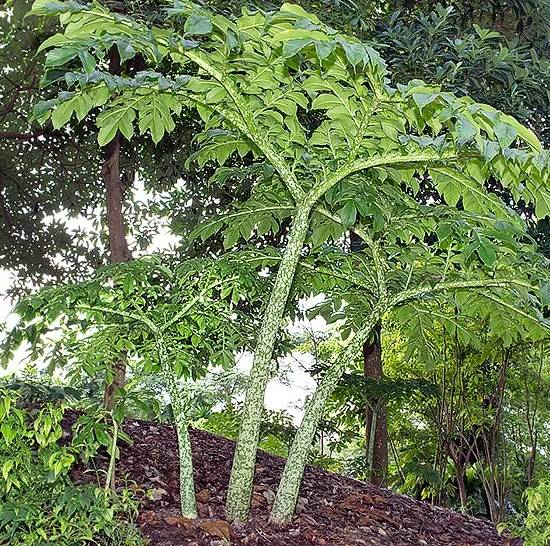
This species develops a huge underground tuber that can weigh several dozen kilos, serving as an energy reserve. Each year, Amorphophallus Paeoniifolius produces either a large solitary inflorescence or a single stem bearing a massive umbrella-shaped leaf composed of divided leaflets. This alternation between flowering and foliage makes the plant even more captivating for botanical curiosity enthusiasts.
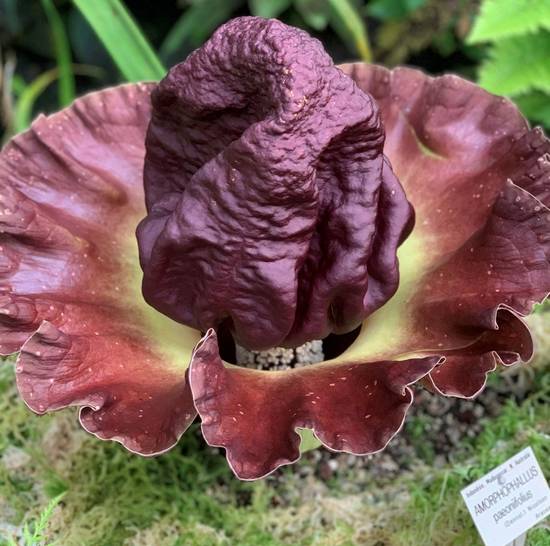
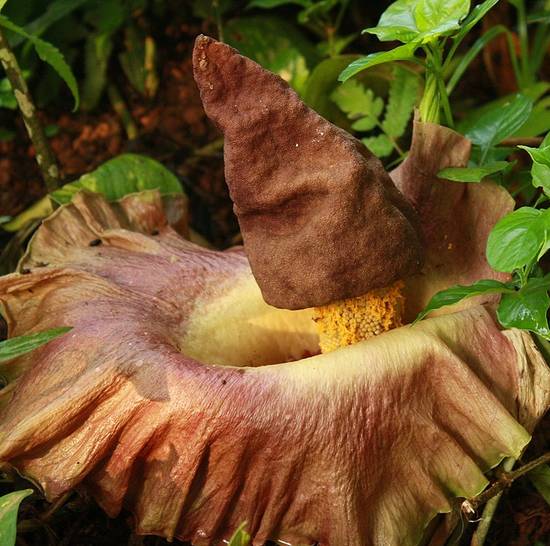
Its flowering is particularly impressive: a massive spathe, brownish-purple on the outside and dark red inside, surrounds a central spadix. Like other amorphophallus species, this flower emits a strong odor intended to attract pollinating insects, yet it remains a rare and memorable event for any collector.
🌤️ Bright indirect light: Ideal indoors or in a greenhouse.
🌞 Gentle sun: Outdoors, choose partial shade.
⚠️ Tip: Too much direct sun can burn its huge leaf, while insufficient light slows growth.
🌱 Spring / summer: Water generously during active growth, keeping substrate slightly moist but never waterlogged.
🍂 Autumn / winter: When foliage yellows and disappears, stop watering and keep the tuber dry until the next season.
⚡ Tip: Plant in a draining mix enriched with perlite or pozzolana to prevent rot.
🌞 Ideal: Between 24 °C and 32 °C.
❄️ Minimum: Does not tolerate temperatures below 15 °C.
🏠 Tip: In temperate regions, grow in pots or in the ground under a tropical greenhouse.
🪨 Recommended substrate: Mix of cactus soil, mature compost and coarse sand.
💡 Fertilizer: During growth, apply rich liquid fertilizer every 3 to 4 weeks to stimulate leaf and tuber development.
🌸 Period: Beginning of the rainy season.
🎨 Color: Brownish-purple to dark red spathe with a massive spadix.
🕑 Duration: Only a few days, but its appearance and odor leave a lasting impression.