Alluaudia Ascendens

Alluaudia Ascendens
Alluaudia Ascendens
Alluaudia Ascendens

Alluaudia Ascendens

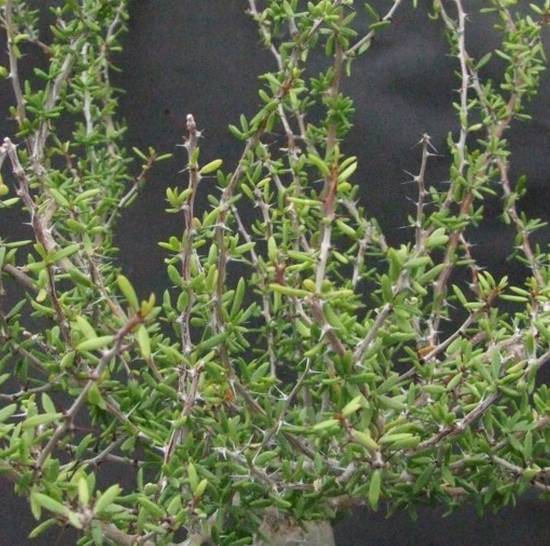
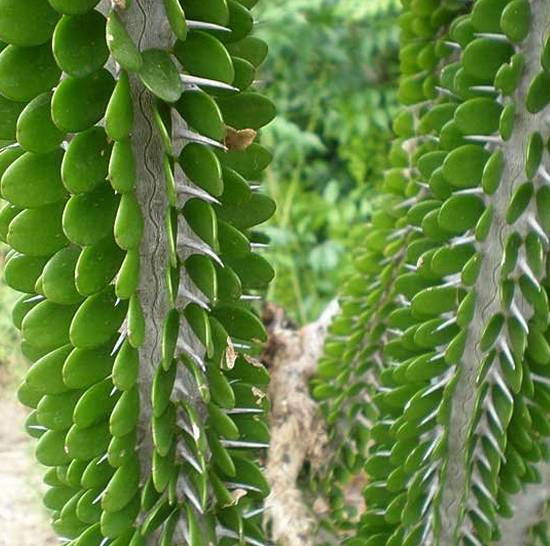
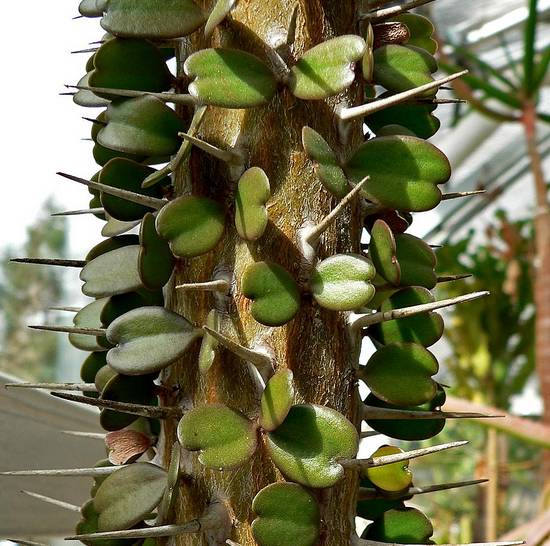
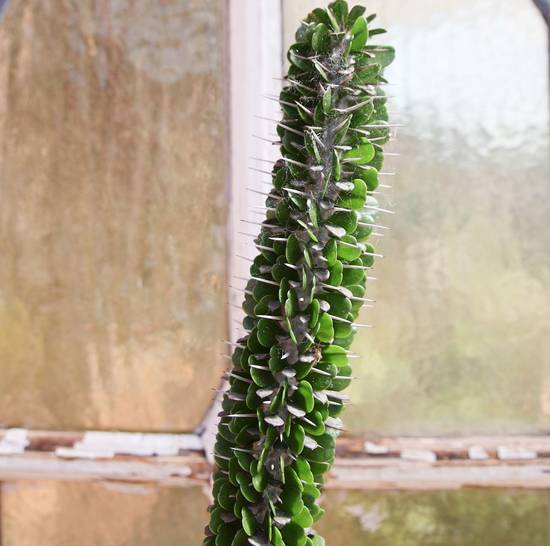
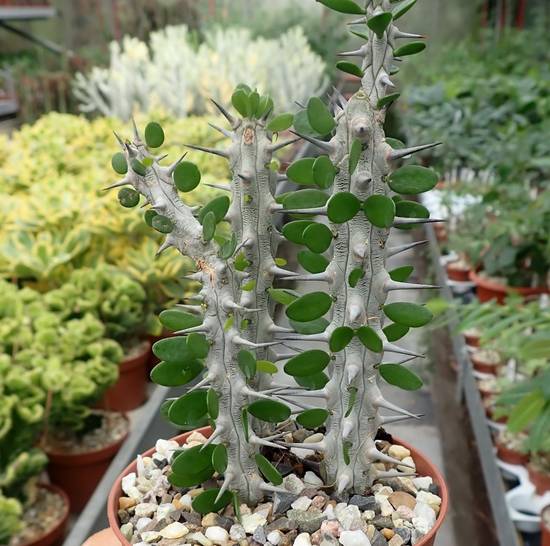
Alluaudia Ascendens is a majestic and uncommon succulent plant native to the arid landscapes of Madagascar. Its slender habit, vertical spiny stems, and small tender green leaves make it a centerpiece for lovers of exotic plants.

This species belongs to the Didiereaceae family, often nicknamed the “cactus of Madagascar” although it is not a true cactus. Alluaudia Ascendens can reach several meters in height in its natural environment, creating a silhouette reminiscent of living candelabras.

Its morphology is not only aesthetic: its spines deter herbivores, while its deciduous leaves allow it to withstand extreme drought. In a garden or greenhouse, it quickly becomes an architectural element, bringing verticality and exotic flair to any landscape design.

Native to southwestern Madagascar, this plant grows in semi-desert areas where rainfall is rare and temperatures can be extreme. It thrives on rocky and sandy soils, often alongside other emblematic species such as euphorbias and aloes.

In its habitat, Alluaudia Ascendens also plays an important ecological role: its leaves feed certain species of lemurs and local insects, while its spiny structure provides shelter for small fauna.
To display the full vigor of its stems and foliage density, Alluaudia Ascendens requires abundant light.

🌞 Outdoors: Place in full sun for at least 6 hours per day.

🌤️ In hot climates: Light shade during peak hours prevents excessive stress.

🌱 Indoors: Provide a very bright location, ideally a veranda or south-facing window.
Adapted to dry seasons, Alluaudia Ascendens requires moderate watering that mimics the rare rains of its environment.

🌱 Spring / Summer: Water once every 2 to 3 weeks, when the substrate is completely dry.

🍂 Autumn / Winter: Drastically reduce or stop watering, especially if the plant is dormant.

Tip: Excess water is more dangerous than slight prolonged drought.
Raised in a hot and dry climate, Alluaudia Ascendens poorly tolerates cold and requires mild temperatures year-round.

🌡️ Ideal: 20°C to 30°C during growth.

❄️ Minimum: 10°C, protect absolutely from frost.

🏠 Overwintering: Bring indoors once temperatures drop below 12°C.
To mimic the poor and rocky soils of Madagascar, Alluaudia Ascendens needs extremely well-draining soil.

🪨 Mix cactus soil with 50% mineral materials such as pozzolana or perlite.
Although rare in cultivation, the flowering of Alluaudia Ascendens offers a delicate and unexpected display.

🌸 Period: Summer, on mature plants.

🎨 Color: Small whitish to greenish flowers, discreet yet charming.

🕑 Duration: Only a few days, requiring optimal sunlight.
FAQ - Alluaudia Ascendens

How to make Alluaudia Ascendens grow quickly?
Provide full sun, a well-draining substrate and a suitable fertilizer in spring and summer.
Can Alluaudia Ascendens tolerate frost?
No, it does not tolerate frost and must be brought indoors as soon as temperatures approach 10°C.
What substrate should be chosen for Alluaudia Ascendens?
A mix of cactus potting soil and draining materials such as pumice or perlite.
How often should Alluaudia Ascendens be watered?
Every 2 to 3 weeks in summer, and much less in winter.
Can Alluaudia Ascendens be grown indoors?
Yes, if it has a bright, warm and well-ventilated location.
How to protect Alluaudia Ascendens from cold?
In winter, place it in a heated greenhouse or a bright space protected from drafts.
How tall can Alluaudia Ascendens grow?
In pots, it can reach 2 to 3 meters, and up to 10 meters in its natural habitat.
Does Alluaudia Ascendens lose its leaves?
Yes, this is normal: it is deciduous and loses its leaves during the dry season.
What is the growth rate of Alluaudia Ascendens?
Relatively fast in warm climates and full sun.
How to propagate Alluaudia Ascendens?
Mainly by stem cuttings, carried out in spring or summer.